How Durable Are Timber Windows? The Full Picture
- 6 July 2026|
- News
Modern timber windows, particularly those built from engineered timber with factory-applied finishes, can last 60 years or more with appropriate maintenance. They outperform common assumptions and, in many cases, rival or exceed the practical lifespan of uPVC. Here is what architects, developers, housebuilders and homeowners need to know.
The question architects and homeowners keep asking
Timber or uPVC? It is one of the most debated questions in the fenestration industry, and it comes up constantly across planning meetings, specification sheets and kitchen table conversations alike.
The concern is understandable. Timber has a reputation for warping, rotting and demanding constant upkeep. But that reputation belongs to a different generation of product. Today’s engineered timber windows are a world apart from the painted softwood frames of the 1970s and 1980s.
This article sets out the full picture on timber windows durability, covering construction, finishes, weather performance, maintenance, lifespan and how timber compares directly against uPVC and aluminium.
What makes modern timber windows so much more durable?
Engineered timber construction
The single biggest change in timber window manufacturing over the past two decades is the move to engineered timber.
Unlike solid timber, engineered timber is laminated from multiple layers of wood bonded together under pressure. This process:
- Removes the natural defects found in solid timber
- Significantly reduces movement caused by moisture and temperature changes
- Produces a more dimensionally stable product that holds its shape over time
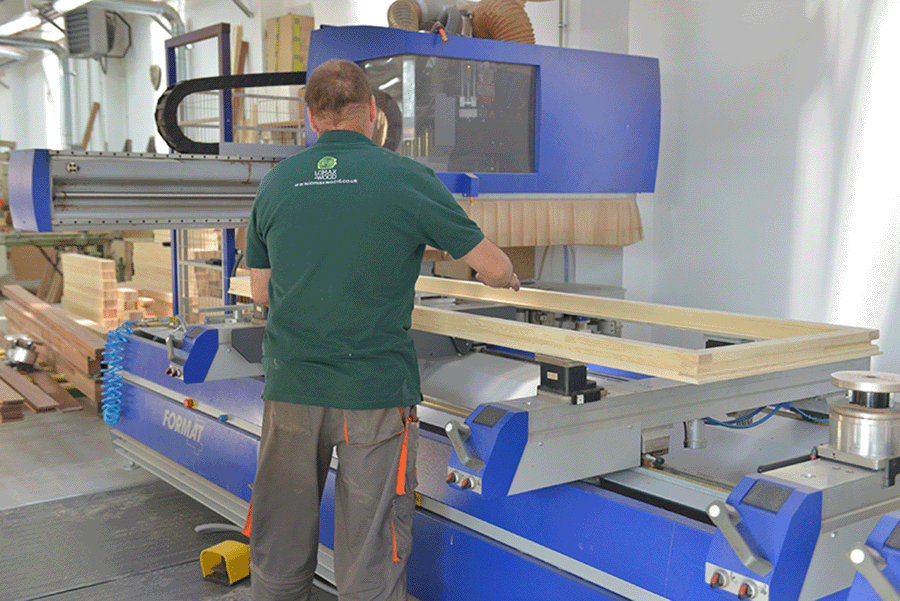
At Lomax + Wood, all windows are manufactured using engineered timber as standard. Options include Engineered Redwood, Engineered Hardwood, Engineered Oak and Accoya, each chosen for its performance characteristics and suitability for different project types.
Accoya, in particular, deserves a mention. It is a modified softwood that has been acetylated to make it exceptionally resistant to rot, moisture and insect attack. It’s one of the most robust timber options available for window manufacturing.
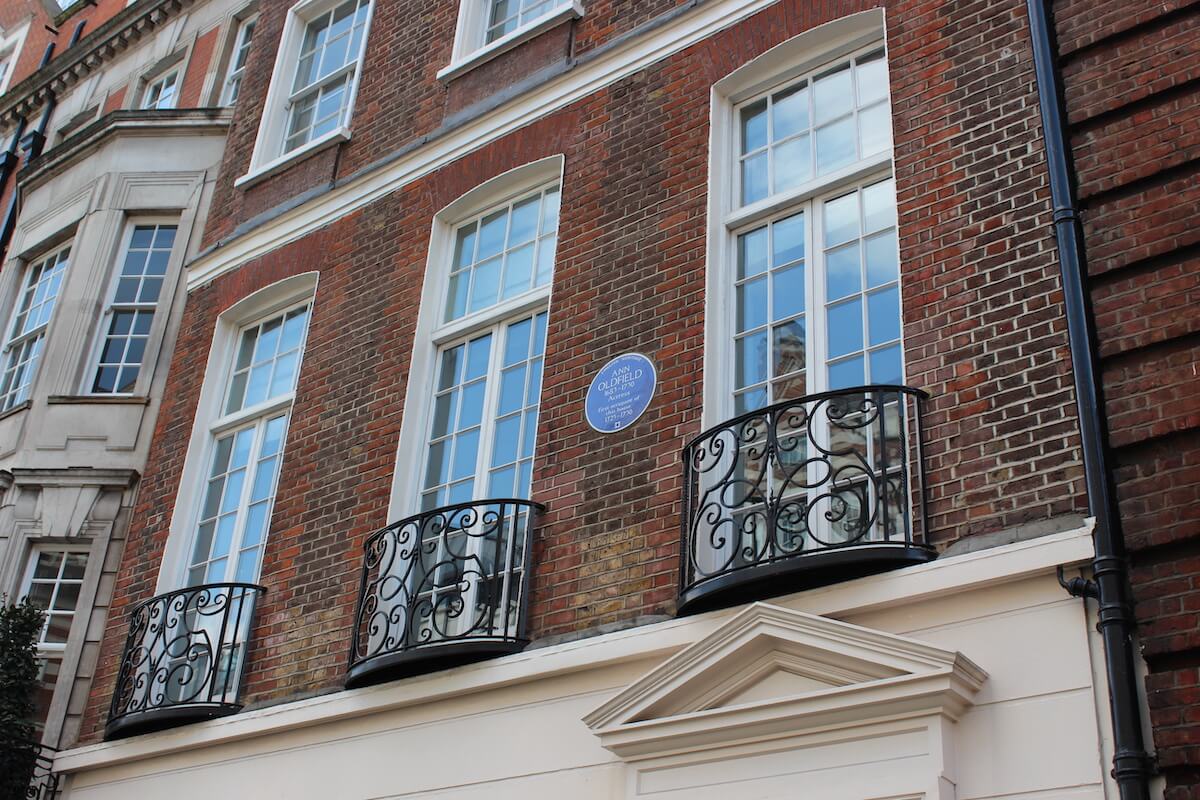
Grosvenor Street
Factory finishes: the first line of defence
One of the most important factors in timber windows durability is how the timber is finished before it leaves the factory.
Older timber windows were often delivered raw or undercoated, leaving the finishing to site operatives. The results were inconsistent and the protection was frequently inadequate.
Modern factory finishing is different. At Lomax + Wood, windows are spray-applied with a three-coat micro-porous paint system in controlled factory conditions. This type of finish:
- Allows moisture vapour to escape from the timber, preventing trapped damp
- Provides a consistent, even coat across all surfaces including joints and rebates
- Bonds more effectively than brush-applied paint
- Dramatically reduces the risk of peeling or flaking in the early years
The result is a far more resilient finish from day one, and a product that arrives on site ready for installation without the risk of poor on-site painting undermining the long-term performance.
What maintenance does timber actually require?
This is where the misconceptions run deepest. Modern factory-finished timber windows do not require the level of maintenance most people expect.
Realistic maintenance for factory-finished timber windows looks like this:
- Inspect the paintwork every two to three years
- Clean frames with mild soapy water twice a year
- Apply a light topcoat of paint or stain every eight to ten years, depending on exposure
- Check and lubricate ironmongery annually
Compare this to aluminium, which requires very little maintenance, or uPVC, which needs only cleaning. Timber does require slightly more attention. But the difference in practice is modest, and the trade-off in longevity and aesthetics is considerable.
The key point is this: neglected timber windows will fail early. Well-maintained timber windows will last a lifetime.
Thermal and acoustic performance
Timber windows durability is not only about structural longevity. Performance over time matters too.
Lomax + Wood’s double glazed timber windows offer U-values as low as 1.0 W/m²K, with optional upgrades available. For context, current UK Building Regulations require replacement windows to achieve a U-value of no more than 1.4 W/m²K. Our timber windows exceed this comfortably.
On acoustic performance, the range offers:
- 36dB standard noise reduction
- 38dB acoustic upgrade
- 42dB acoustic plus option
These figures make timber windows a strong choice for urban developments, properties near busy roads and any project where acoustic comfort is a priority.
All windows also meet PAS 24:2016 security requirements and are Part Q compliant, meaning they meet the security standards required under UK Building Regulations for new dwellings.
Sustainability credentials you can rely on
At Lomax + Wood, environmental responsibility is central to our manufacturing philosophy. We source all timber used in our bespoke windows and doors with full Chain of Custody certification (FSC® or PEFC), ensuring complete traceability throughout the entire supply chain, from the forest to the finished product.
This matters for several reasons. For architects working on BREEAM-rated projects, specifying certified timber contributes to credits. For developers responding to planning requirements around sustainable construction, certified timber is a demonstrable credential. For homeowners, it is simply the reassurance that the product they are buying has not contributed to deforestation.
The Lomax + Wood timber window range
Lomax + Wood manufactures a comprehensive range of timber windows, all designed in-house and made to order. The range includes:
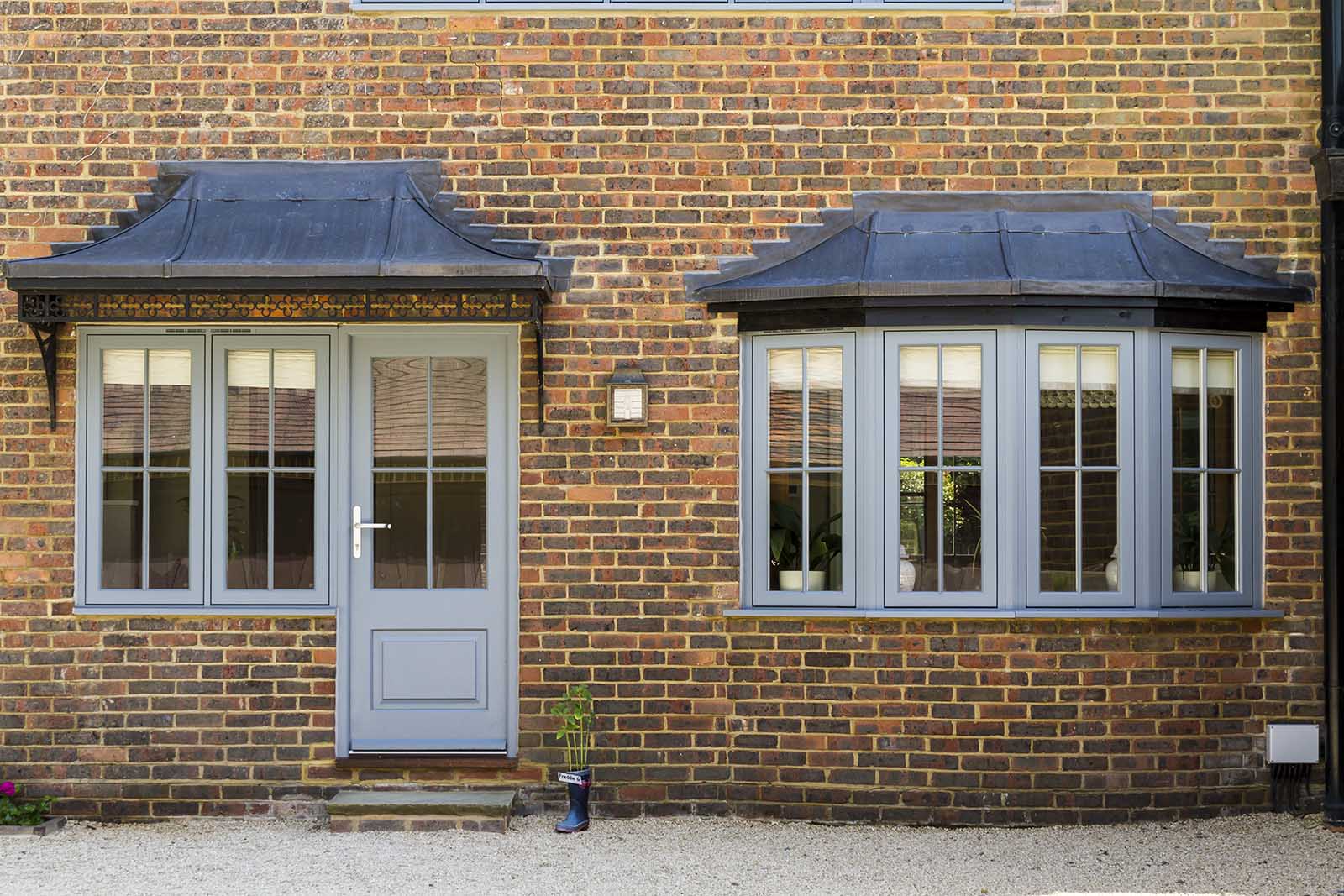
- Wooden casement windows: flush casement designs suitable for both heritage and contemporary projects, internally glazed and fully weather-stripped
- Timber box sash windows: traditional box sash construction for period properties and conservation areas, available with a range of glazing options
- Spring balance sash windows: a more economical sash solution, often specified for new builds, factory double glazed as standard
- Single glazed sash windows: designed specifically for listed buildings and conservation areas where double glazing is not permitted, with vacuum glazing options available to improve thermal performance
Every product is made to order. Bespoke sizing, custom RAL colours, dual finishes and specialist glazing options are all available across the range.
All windows are made using responsibly sourced FSC® or PEFC certified timber including Engineered Redwood, Hardwood, Oak or Accoya, with custom sizing and various colour finishes available. Each product is made to order, allowing us to meet specific architectural requirements while incorporating practical features such as secure locking systems, durable finishes, and appropriate glazing options to improve comfort and efficiency.
Frequently asked questions
How long is the lifespan of timber windows?
With proper care and regular maintenance, modern engineered timber windows last 60 years or more. This surprises many people, as wooden windows are often assumed to be less durable than uPVC windows. In reality, high quality timber windows will significantly outlast uPVC, which typically has a shorter lifespan of around 20 to 35 years.
Do wooden windows need more maintenance than uPVC windows?
Slightly more, but far less than most people expect. A light topcoat every eight to ten years, twice-yearly cleaning and annual ironmongery checks is a realistic routine for most installations. Repairability is also worth considering. Where a uPVC frame fails, you often need to replace the entire window. A timber frame can be repaired and refinished without that cost or disruption.
Are timber windows suitable for conservation areas and listed buildings?
Yes. We manufacture timber windows designed to meet the requirements of conservation officers and English Heritage. Single glazed sash options are available for listed buildings where double glazing is not permitted. Our made-to-order approach means we can match existing profiles , preserving the home’s beauty while satisfying planning requirements.
Are timber windows energy efficient?
Yes. Timber is a natural insulator, giving it an inherent advantage over materials such as aluminium, which requires a thermal break to achieve comparable performance. Lomax + Wood’s wooden windows achieve U-values as low as 1.0 W/m²K, exceeding current UK Building Regulations requirements. Better energy efficiency means lower heating costs and a reduced carbon footprint compared to uPVC or aluminium production.
What is the difference between softwood timber windows and hardwood timber windows?
Softwood windows, such as Engineered Redwood, are a popular and cost-effective choice. They are lighter, take paint well and suit a wide range of property types including contemporary homes. Hardwood timber windows, including Engineered Oak, offer greater density and are well-suited to exposed locations. Accoya, a modified softwood, performs comparably to the best hardwood windows and carries exceptional rot resistance credentials.
Can timber windows improve property value?
Yes. High quality timber windows contribute positively to a property’s aesthetic appeal and kerb appeal. For period properties in particular, timber frames are consistent with the character of the building in a way that uPVC windows are not. For developers and housebuilders, specifying wooden windows is increasingly seen as a mark of quality that differentiates a scheme in a competitive market.
Talk to Lomax + Wood about your project
Whether you are an architect specifying windows for a new development, a developer looking for a reliable timber window supplier, or a homeowner considering replacing existing windows, Lomax + Wood can help.
With over 30 years of experience in the timber fenestration industry, the team provides a complete design, supply and fit service with a single point of contact throughout.
To discuss your requirements or to request a free quote:
- Fill in our online contact form at lomaxandwood.co.uk
- Call us on 01277 353857