Flush casement timber windows: Heritage meets modern design
- 3 August 2026|
- News
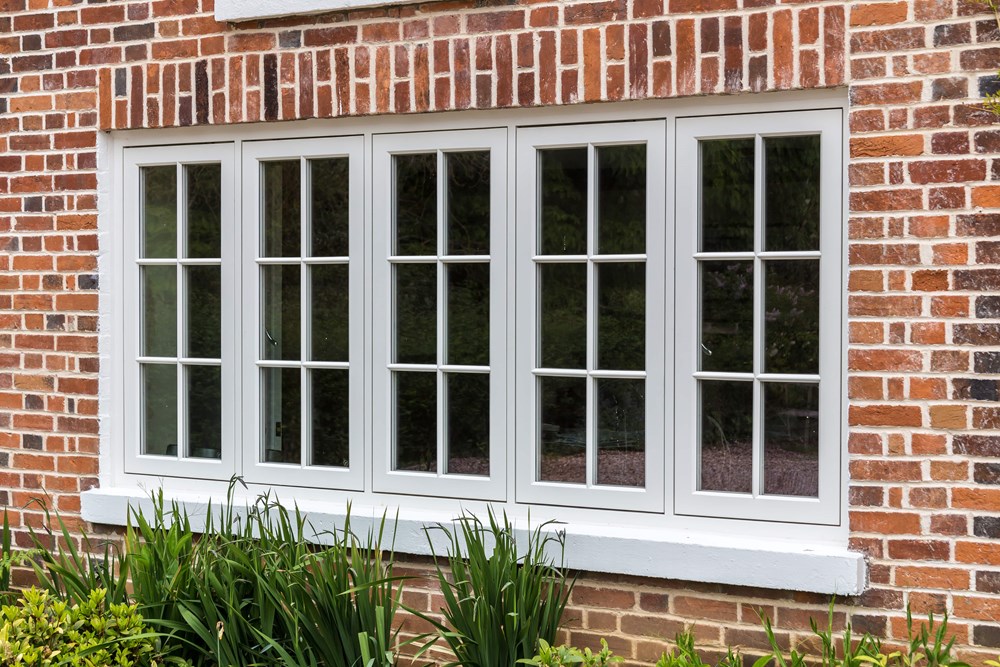
Flush casement timber windows are the go-to choice for period properties, conservation areas and contemporary rural new builds. Their flat, close-fitting profile gives a period-correct look while meeting modern standards for thermal performance and security.
Below, we cover how a flush casement compares with a stormproof casement, the design configurations available and what to check on energy efficiency and finish before you specify.
What is a flush casement window?
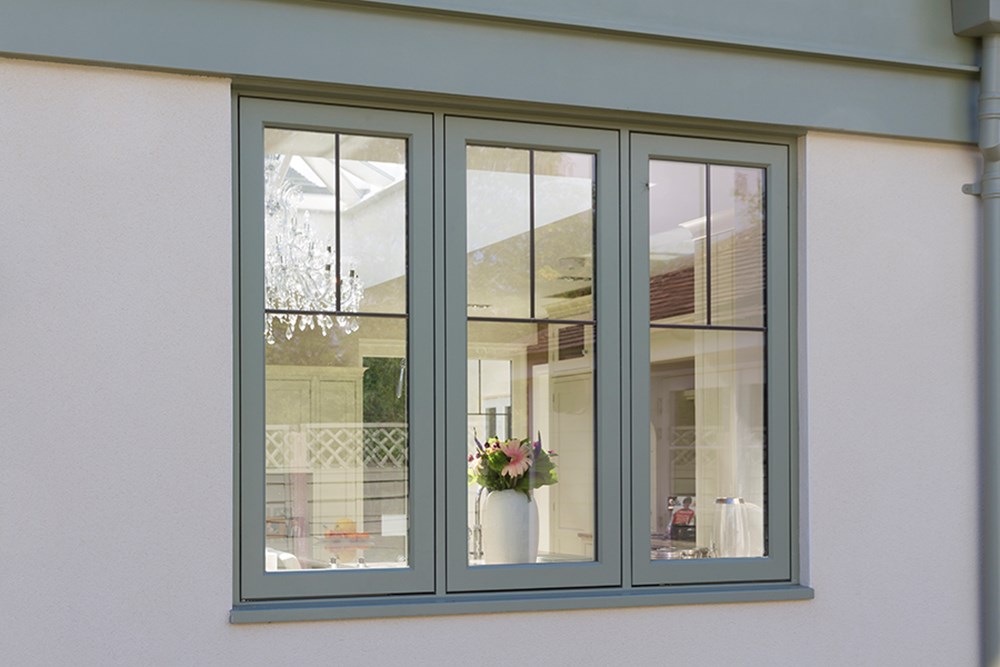
A flush casement window is a window where the opening sash sits within the same plane as the outer frame, rather than sitting proud of it. The result is a flat, uninterrupted face replicating a traditional Victorian or Georgian window, with modern double glazing behind it.
That flat face is achieved without losing any of the performance benefits expected from a modern window, including weather seals, factory glazing and multi-point locking hardware built into the frame itself.
That flush profile is what makes it the preferred specification for period properties. There is no overlapping lip or raised sash to interrupt the sight lines, so the window reads as a single, continuous plane from the street. It’s a detail conservation officers look for, and one that matters just as much to homeowners restoring a Victorian terrace or a Georgian rectory.
Why flush casement timber windows suit heritage and rural new builds
Conservation areas and listed buildings
For listed buildings and conservation area properties, planning conditions often restrict which window styles are acceptable. A flush casement gives you a way to meet those conditions without falling back on a period-style window that performs poorly.
Lomax + Wood flush casement timber windows are designed to meet heritage and conservation officer requirements, incorporating double glazing, weather seals and modern security hardware behind a historically accurate face.
Contemporary rural new builds
Away from conservation constraints, the same flat profile has become popular on new-build farmhouses, barn conversions and countryside homes where a client wants a pared-back, architectural look rather than a heavily detailed traditional window.
The clean lines suit large glazed elevations and simple timber cladding, and the finish options allow the window to sit comfortably against stone, render or exposed brick.
Flush casement or stormproof casement: Which is right for your project?
This is usually the first decision to make once you have settled on a casement style over a sash. Both are timber windows hinged at the side, but the sash sits differently in each case.
- Flush casement: the sash sits flush with the outer frame, giving a flat exterior face. This is the style most associated with period properties and conservation work.
- Stormproof casement: the sash sits proud of the frame and closes over a rebate, with a weather bar shedding water away from the frame. This is a more contemporary detail, often specified where weather performance in exposed locations is the priority.
Neither style outperforms the other on U-values or security hardware, since both are built to the same glazing and locking specification at Lomax + Wood. The decision usually comes down to the visual result you want and, where relevant, what a conservation officer or planning condition requires.
Design configurations available
Flush casement timber windows are made to order, so the configuration can be tailored to the elevation rather than fitted around a standard size.
Common configurations include:
- Single casement, side-hung and opening outward
- French or double casement pairs, without a central mullion
- Fixed lights combined with opening casements for larger window openings
- Top-opening fanlights above a fixed or opening main casement
- Multi-pane configurations using glazing bars
Glazing bars and period detail
Glazing bars remain one of the most effective ways to bring period character to a flush casement. Astragal bars applied to the outer face of a double-glazed unit replicate the look of a true glazing bar. A Georgian bar creates a grid pattern across the whole window, widely used on listed buildings, while a single horizontal bar suits Arts and Crafts or vernacular designs.
All are made to order, so a flush casement with a horizontal bar or a full Georgian grid can be specified against the same frame.
Energy efficiency: Performance behind the period look
A flush profile does not mean compromising on thermal performance. Lomax + Wood flush casement timber windows are factory double glazed as standard, achieving a whole window U-value of 1.2 W/m²K, with an upgrade option available down to 1.0 W/m²K. Triple glazing can be specified where a project calls for it, particularly on Passivhaus-influenced or low-energy designs.
According to the Energy Saving Trust, poorly performing windows are a significant source of heat loss in older properties, which is why the glazing specification behind a period-style window matters as much as the joinery itself.
All glazing is internally glazed for improved security and easier long-term maintenance, and every window meets PAS 24 (2016) and Part Q security requirements as standard.
Weather performance is tested to BS6375 Part 1, achieving Class 4 air, CE2400 wind and Class 9A water ratings, so the window performs in exposed rural locations as reliably as it does on a sheltered city terrace.
Finish and timber options
Timber selection and finish have a direct bearing on how long a window lasts and how it weathers over time.
Available timber species include:
- Engineered Redwood, the standard specification for most projects
- Engineered Hardwood, suitable for painted or stained finishes
- Engineered Oak, often specified for high-end residential work
- Accoya, a modified softwood valued for its stability in exposed or high-humidity locations
Finish options include single colour, dual colour with a different tone inside and out, natural stained finishes that let the grain show through and Farrow and Ball colour matching on request.
Every product leaves the factory with a three-coat, spray-applied micro-porous paint system, which allows the timber to breathe and reduces the risk of paint failure over time.
Bringing it to life: Flush casements across property types
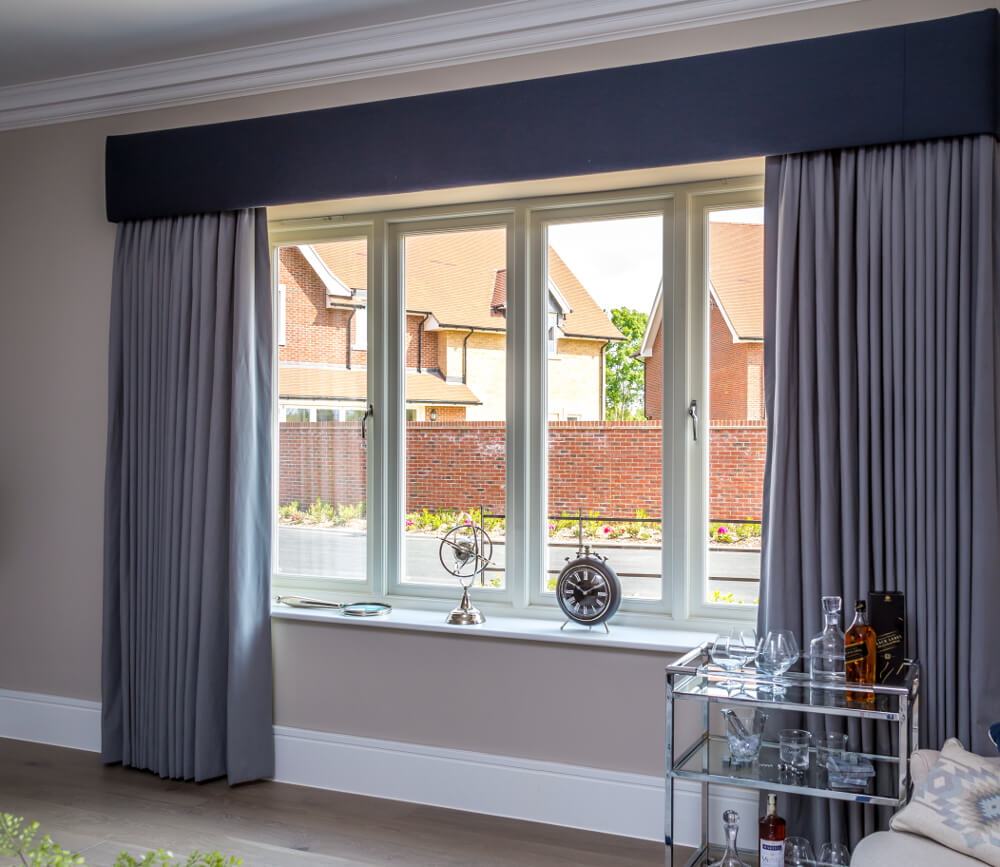
On a Grade II listed cottage in a conservation area, a flush casement with astragal bars in a natural stained Accoya finish keeps a planning officer satisfied while giving the homeowner a window that performs to modern standards.
On a countryside new build or barn conversion, the same flush profile without glazing bars, finished in a single dark RAL colour, gives a quieter, more architectural result suited to large window openings and simple elevations.
Both projects use the same frame construction and the same glazing specification, only the detailing and finish change to suit the setting.
Talk to Lomax + Wood about your project
Whether you’re working on a listed building, a conservation area renovation or a new-build countryside home, our team can talk you through flush casement and stormproof options, glazing bar configurations and finish choices suited to your project.
Get in touch through our online contact form or call 01277 353857 to speak with a member of the team, or visit one of our showrooms to see a timber flush casement window up close.