The Complete Guide to Timber Sash Windows in London
- 29 June 2026|
- News
At a glance: Timber sash windows are the preferred choice for period properties, conservation areas and new builds across London.
This guide covers everything architects, developers and homeowners need to know, from planning requirements and period styles to glazing performance and the Lomax + Wood product range.
Why timber sash windows matter in London
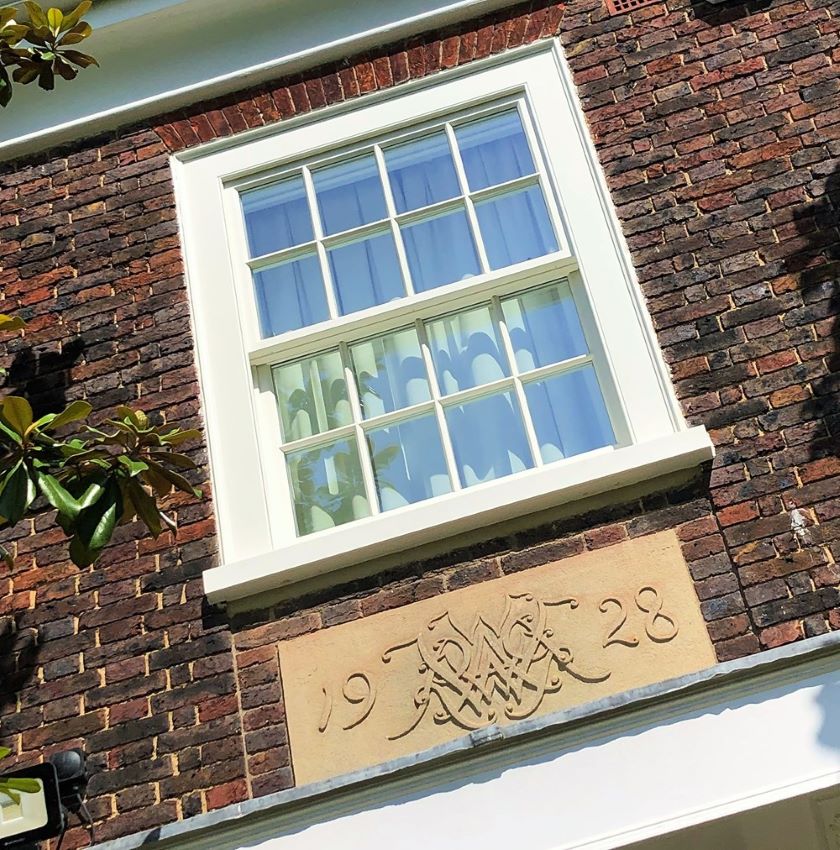
London is home to some of the most architecturally significant streets in the world. From Georgian townhouses in Bloomsbury to Victorian terraces in Clapham and Edwardian villas in Muswell Hill, the capital’s built environment tells a rich story that stretches back to the late 17th century.
At the heart of that story is the sash window.
For architects, developers and housebuilders working on period properties or sensitive new builds, choosing the right sash window is one of the most consequential decisions on a project.
This complete guide to timber sash windows in London covers everything you need to make an informed decision.
A brief history of the sash window in London
The sliding sash window became the dominant window style in British architecture from the late 17th century onwards. Its clean proportions and elegant operation made it the natural choice for the Georgian, Victorian and Edwardian homes that still define much of London’s residential landscape today.
Each period brought its own details:
- Georgian (1714 to 1830): Slender glazing bars, six-over-six pane arrangements, simple proportions
- Victorian (1837 to 1901): Larger panes of glass as manufacturing improved, decorative horns on the upper sash, two-over-two configurations
- Edwardian (1901 to 1910): Wider openings, more elaborate glazing bar patterns, coloured or leaded glass used decoratively
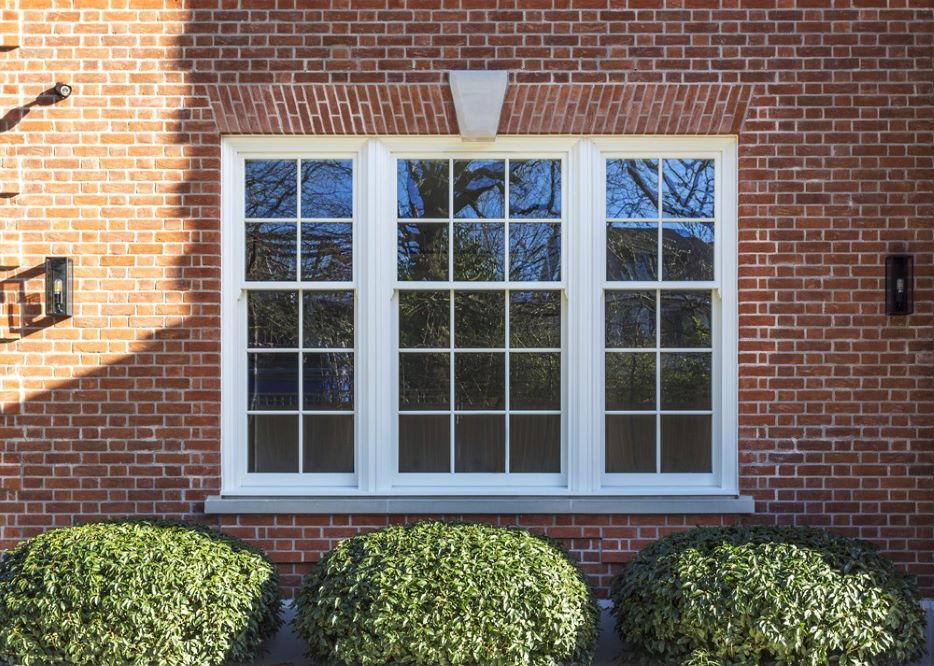
Matching these details accurately matters enormously, both for planning approval and for the overall period charm of the finished building.
Conservation area regulations and planning considerations
London has more than 1,000 designated conservation areas. Many of its finest Georgian and Victorian streets are also home to listed buildings. Both come with strict requirements around window replacement and restoration.
As of June 2026, most local authorities in London will require that replacement windows in conservation areas match the material, profile and appearance of the original sash windows as closely as possible. In many cases, this means timber is the only acceptable material.
Key planning considerations for London projects:
- uPVC windows are routinely refused in conservation areas and listed buildings
- Conservation officers will scrutinise glazing bar profiles, sash depth, and overall proportions
- Written consent is required for works to listed buildings in almost all circumstances
- Even outside listed buildings, permitted development rights may be restricted in a conservation area
Lomax + Wood has extensive experience working with conservation officers and architects on projects across London. Our made-to-order timber sash windows can be manufactured to match original details precisely, giving your project the best possible chance of gaining approval while satisfying modern Building Regulations.
Timber versus uPVC: why material choice matters
When replacing older sash windows, developers and housebuilders are sometimes tempted by uPVC sash windows on grounds of cost. It is worth looking more carefully at the comparison.
Timber sash windows:
- Authentic appearance that replicates original sash windows with precision
- Capable of achieving excellent thermal performance with modern double or triple glazing
- A renewable resource with a lower environmental impact than synthetic materials
- Repairable and restorable, often lasting 60 years or more with proper care
- Required in most conservation areas and listed buildings
uPVC sash windows:
- Lower initial cost, but a higher initial cost is often offset by timber’s longevity
- Cannot replicate the fine glazing bar profiles of traditional sash windows
- Not acceptable to most conservation officers or local authorities in sensitive areas
- Derived from synthetic materials, with a greater environmental impact over their lifecycle
- Difficult to repair; replacement is usually the only option when damage occurs
For environmentally conscious homeowners and developers, timber also carries a significant advantage. Unlike synthetic materials, sustainably sourced timber is a renewable resource. Whether working with Redwood, Oak, or Accoya, all of our timbers are sustainably sourced.
We are proud of the fact that every piece of timber used in our made-to-order timber windows is FSC® or PEFC certified. Unlike other sustainability credentials, our full Chain of Custody certification guarantees complete traceability throughout the supply chain, ensuring that our timber comes from forests that are sustainably managed.
Glazing performance: meeting modern standards
One of the most common concerns about timber sash windows is thermal performance. This concern is largely outdated.
Modern wooden sash windows from Lomax + Wood achieve whole-window U-values as low as 1.1 W/m²K as standard, with optional upgrades available. For context, the current Part L Building Regulations threshold for replacement windows is 1.4 W/m²K. Our windows comfortably exceed this requirement.
Glazing options include:
- Double glazing as standard, with argon-filled units for improved thermal performance
- Triple glazing for projects where maximum energy efficiency is required
- Acoustic glazing achieving noise reduction of 36dB (standard), 38dB (acoustic) or 42dB (acoustic+), important for urban areas with high traffic noise
- Vacuum sealed units for single glazed sash windows in listed buildings, where double glazing is not permitted but improved thermal performance is still desirable
Laminated safety glass for ground floor or security-sensitive applications
Advanced glazing options mean that heat loss through timber sash windows can be reduced significantly, helping to lower the temperature of your house during the colder months and reducing energy bills over time.
The Lomax + Wood range of timber sash windows
Lomax + Wood offers three distinct timber sash window products, each designed to suit different project types and budgets.
Timber box sash windows
Our timber box sash windows are the premium option, designed for period properties and conservation projects where historical accuracy is paramount. Each window is made to order, with full customisation of timber species, glazing bar profile, finish colour and ironmongery.
Technical performance:
- U-value as low as 1.1 W/m²K
- Weather tested to BS6375 Part 1: Air Class 4, Wind Class C5, Water Class 7A
- PAS 24:2016 security tested, Part Q compliant
- Noise reduction from 36dB to 42dB
Spring balance sash windows
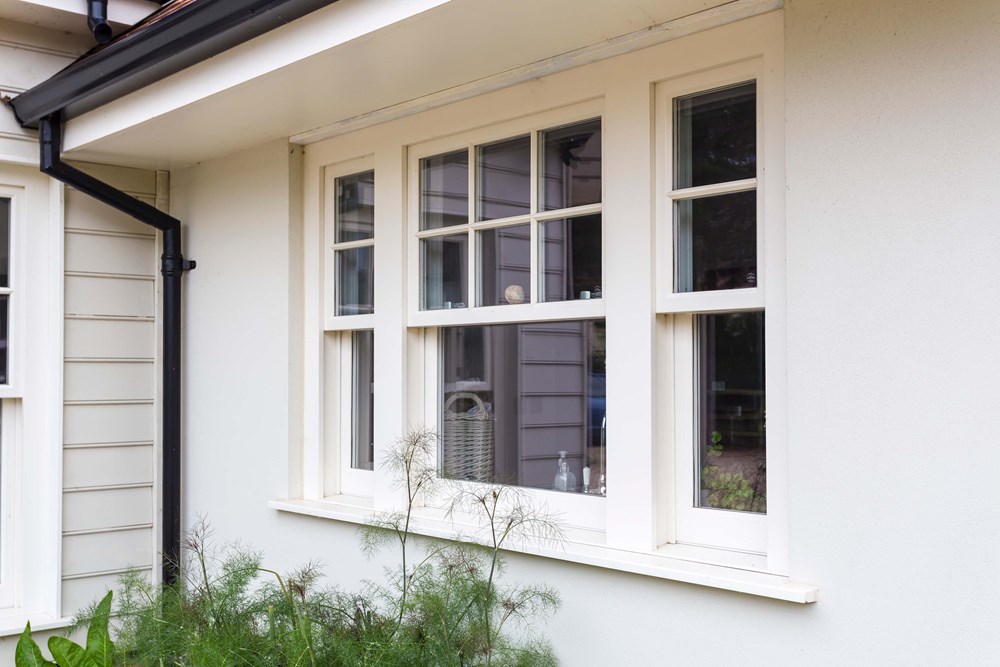
Our spring balanced sash windows offer a more economical solution without sacrificing historical charm. They are popular with developers and housebuilders working on new build projects where architects have detailed a flush reveal, and where build costs need to remain competitive.
Standard specification includes:
- Factory double glazed 4/16/4 tough/tough low-e argon fill
- W/m²K whole window U-value
- Polished chrome key-locking sash catch and lifts
- Engineered European Redwood with a hardwood cill
- CE Marked to EN 14351-1+A1:2010
- PAS 24:2016 security tested
Developers regularly incorporate spring balanced sash windows where the end result still needs to be historically accurate and pleasing to the eye.
Traditional single glazed sash windows
For listed buildings and conservation areas where conservation area regulations prevent the use of double glazing, Lomax + Wood offers made-to-order single glazed sash windows with putty glazing. These meet English Heritage and conservation officer requirements, replicating the fine details of original sash windows with modern craftsmanship.
Vacuum glazing upgrades are available for these windows, offering significantly improved thermal performance while retaining a single-glazed appearance acceptable to conservation officers.
Frequently asked questions
Are timber sash windows suitable for conservation areas in London?
Yes. Lomax + Wood’s timber sash windows are designed specifically to meet the requirements of conservation officers and English Heritage. Our single glazed range is available for listed buildings where double glazing is not permitted.
What is the lead time for timber sash windows?
Typically 6 to 8 weeks from order confirmation, depending on specification and project complexity.
Can I upgrade to triple glazing?
Yes. Triple glazing is available across our range for projects where maximum energy efficiency is required.
How much regular maintenance do timber sash windows need?
With proper care and modern treatments, timber sash windows require minimal maintenance. Factory-applied micro-porous paint systems and engineered timber options such as Accoya significantly reduce the need for regular maintenance compared to older wooden window frames.
Are timber sash windows secure?
All Lomax + Wood timber sash windows are PAS 24:2016 security tested and Part Q compliant, giving homeowners and developers peace of mind that they meet the latest security standards.
Get a free quote for your London project
Whether you are an architect specifying timber sash windows for a conservation area project, a developer working on a period property scheme, or a homeowner looking to restore the historical charm of your home, Lomax + Wood can help.
We offer a free, no-obligation quote and are happy to discuss your specific requirements in detail.
Get in touch today:
Fill in our online contact form or call us on 01277 353857. Our team is ready to help you find the right timber sash window solution for your London project.