Replacing Windows in a Conservation Area: What You Need To Know
- 14 September 2026|
- News
Windows play an important role in the character of a conservation area. Get the replacement wrong, and you could face enforcement action, costly mistakes, or even a criminal offence charge. Get it right, and you preserve the timeless beauty of a historic building while improving its thermal performance.
This guide covers everything architects, developers, and homeowners need to know before replacing windows in a conservation area. We’ll explain what needs planning permission, what doesn’t, and how to choose materials that satisfy your local planning authority.
Key takeaways
- Windows in a conservation area are covered by permitted development rights, but these rights are often more restricted than for other properties.
- Article 4 directions can remove permitted development rights entirely, meaning you’ll need formal consent for like-for-like window replacement.
- Listed buildings always require listed building consent for window replacement, regardless of Article 4 status.
- UPVC windows are frequently refused in conservation areas due to their appearance and lack of historic interest.
- Timber windows, particularly sash and casement designs, are usually the preferred choice for matching original design.
- Always check with your local authority before ordering replacement windows.
Do you need planning permission to replace windows?
This is the first question every architect or developer should ask before starting a project in a conservation area.
In most cases, replacing windows with a similar appearance does not require a full planning application. This falls under permitted development rights, provided the new windows match the original in terms of:
- Materials
- Design
- Number of panes
- Opening method
However, conservation areas often carry additional restrictions. Many local authorities have removed permitted development rights for window replacement through Article 4 directions.
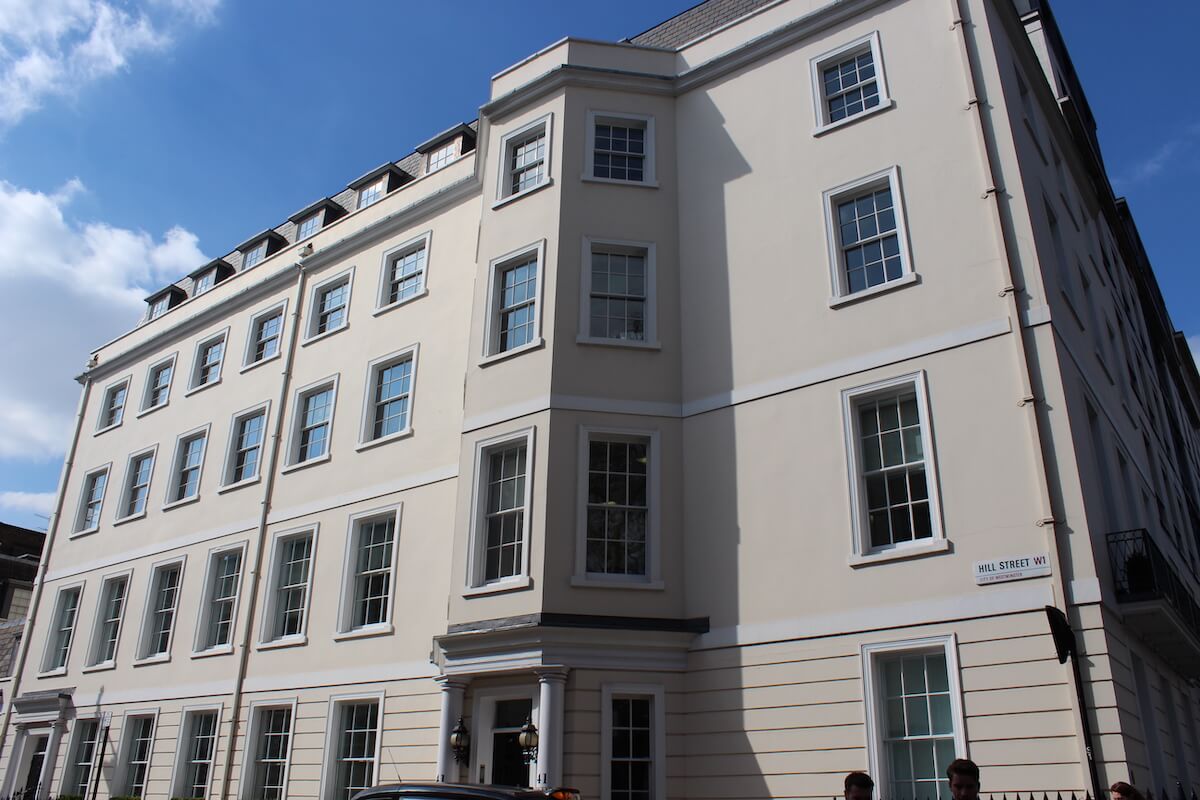
What is an Article 4 direction?
An Article 4 direction removes specific permitted development rights within a conservation area. Once in place, you’ll need a planning application for changes that would otherwise not need one, including window replacement.
This is common in conservation areas with a high number of original windows or strong historic interest. Always check with your local planning authority or search the Planning Portal before assuming permitted development rights apply.
Listed buildings are different
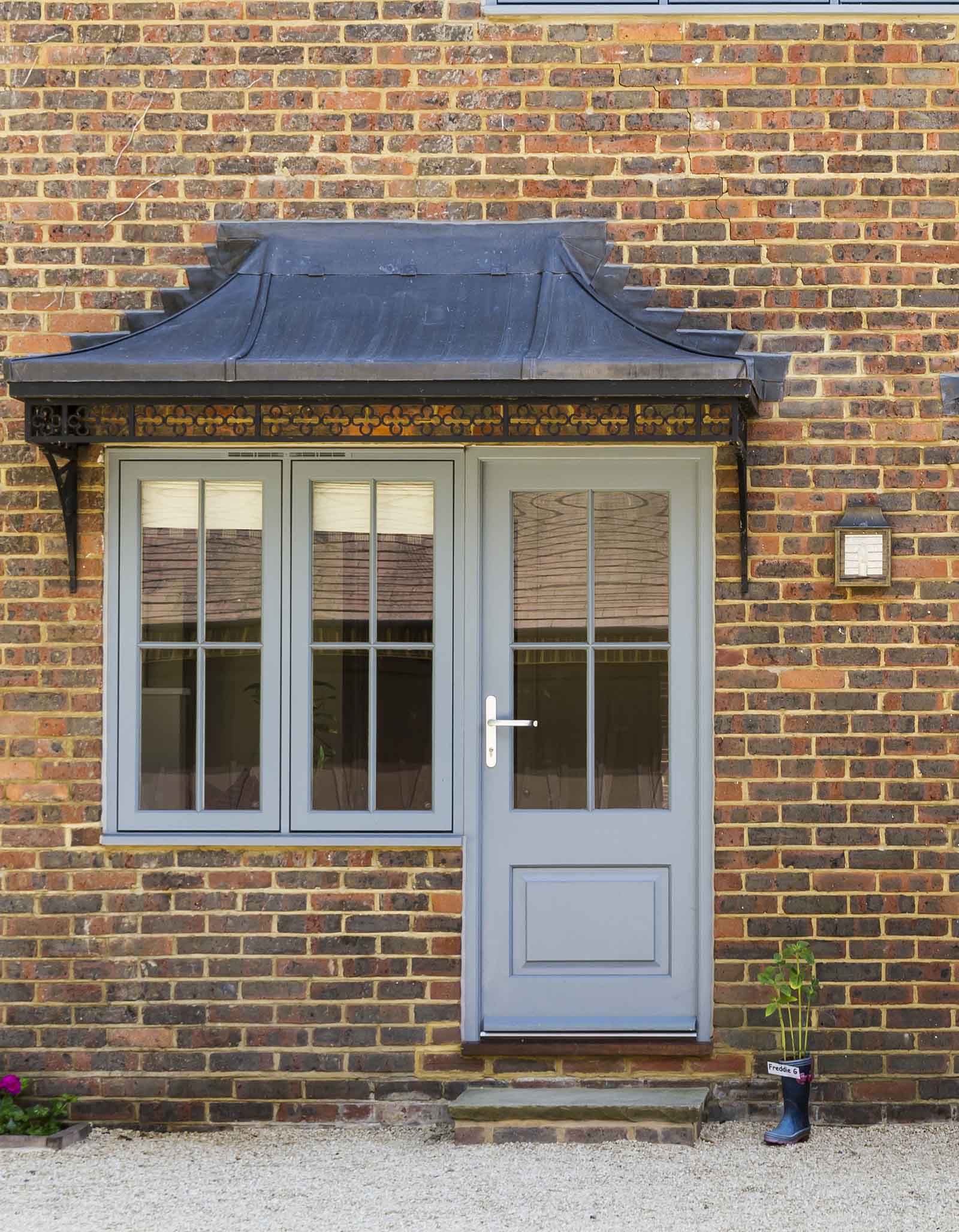
If the property is a listed building, permitted development rights do not apply to window replacement at all. You’ll need listed building consent, regardless of whether the windows are original or previous replacements.
Carrying out unauthorised work to a listed building is a criminal offence. This makes the initial review of a property’s listed status and conservation area guidelines a key part of any project’s careful planning stage
.
What matters most to conservation officers?
Every conservation officer will look for a similar appearance to the original design. This typically includes:
- Matching the original design – sash windows should stay as sash windows, casements as casements.
- Correct number of panes – altering the glazing pattern can affect the character of the building.
- Appropriate materials – timber windows are usually expected in period and heritage properties.
- Matching architectural features – glazing bars, mouldings, and cills all contribute to the character of the conservation area.
Historic England’s guidance is a useful reference point here, and many local planning authorities base their local guidelines on this national framework. You can find further detail on the Historic England website.
Replacing windows in a conservation area: Why timber windows are usually the right choice
UPVC windows are rarely approved in conservation areas. Their appearance, thickness, and lack of historic interest mean they don’t replicate the traditional appearance expected by conservation officers.
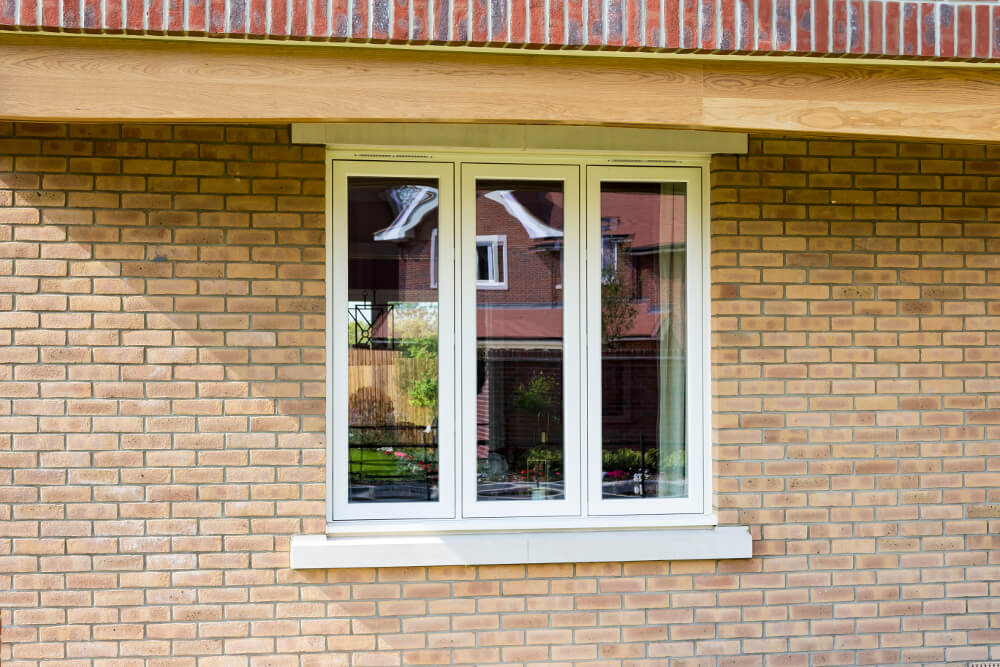
Timber windows, by contrast, can be manufactured to match original sash or casement designs exactly, while offering modern performance benefits.
At Lomax + Wood, we specialise in made-to-order timber sash and casement windows designed for heritage properties. Our range includes:
- Wooden casement windows – internally glazed, fully weather-stripped, and available with a U-value as low as 1.0 W/m²K.
- Timber box sash windows – traditional detailing with modern thermal insulation, ideal for period properties.
- Spring balanced sash windows – a cost-effective option often specified by developers for new builds requiring a flush reveal.
- Single glazed sash windows – designed specifically for listed buildings and conservation areas where double glazing isn’t appropriate.
All windows are made using responsibly sourced FSC® or PEFC certified timber including Engineered Redwood, Hardwood, Oak or Accoya, with custom sizing and various colour finishes available. Each product is made to order, allowing us to meet specific architectural requirements while incorporating practical features such as secure locking systems, durable finishes, and appropriate glazing options to improve comfort and efficiency.
Glazing regulations and energy efficiency
One of the biggest challenges with replacing windows in a conservation area is balancing energy efficiency with historic appearance.
Building regulations require reasonable provision for thermal performance when replacing windows. However, listed buildings and some conservation areas allow exemptions where double glazing would harm the character of the building.
Options to consider:
- Double glazing – our standard specification across most ranges, reducing heat loss while maintaining a traditional appearance.
- Triple glazing – available for projects requiring even higher energy efficiency.
- Secondary glazing – a good solution for listed buildings where the original windows must stay untouched.
- Vacuum sealed units – offer excellent thermal insulation within slim sightlines, ideal for matching historic glazing bars.
We regularly work with architects and conservation officers to find the perfect balance between thermal performance and traditional appearance. This often involves detailed drawings submitted as part of the planning application, showing exactly how new timber sash or casement windows will match existing windows.
Common mistakes to avoid
- Assuming permitted development rights apply – always check for Article 4 directions first.
- Choosing UPVC for speed or cost – this often leads to refused applications and delays.
- Ignoring the number of panes – even small changes to glazing patterns can be flagged by conservation officers.
- Skipping consultation with the local authority – early engagement avoids potential issues later in the approval process.
- Underestimating lead times – bespoke timber windows are made to order, so factor this into your project planning.
Suitable for older and historic buildings
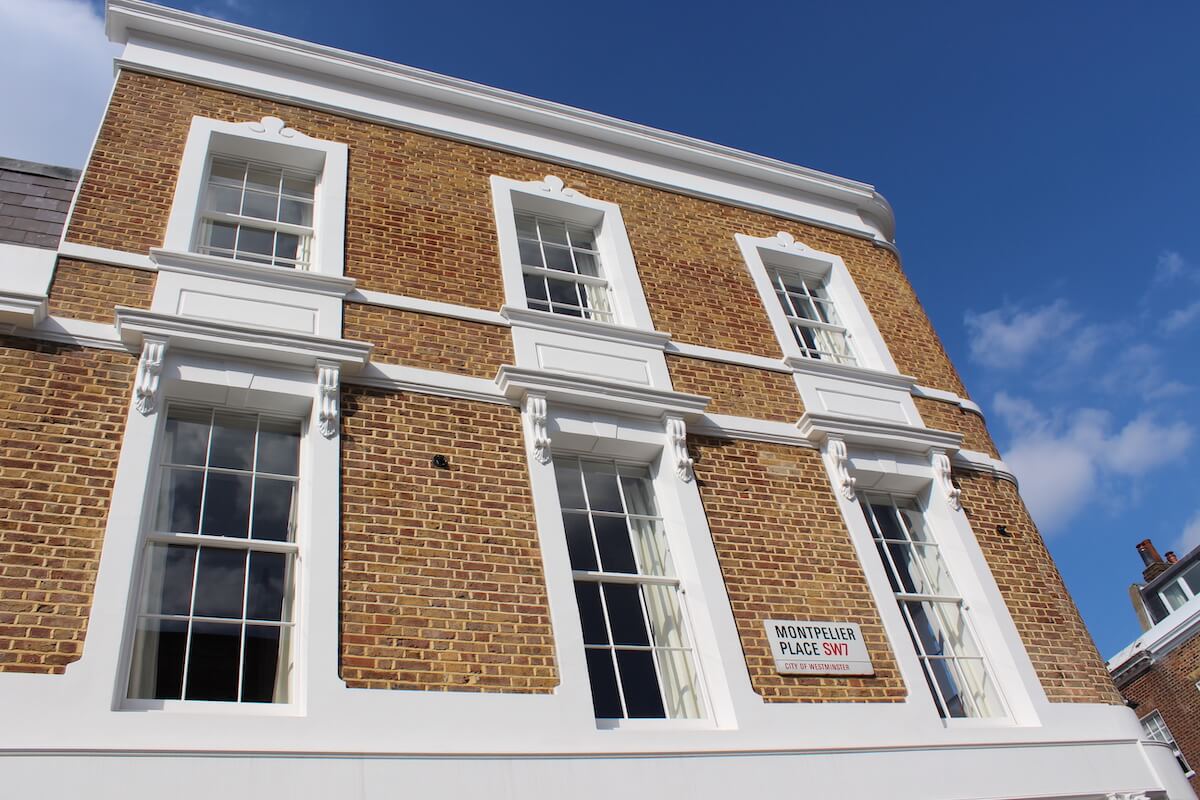
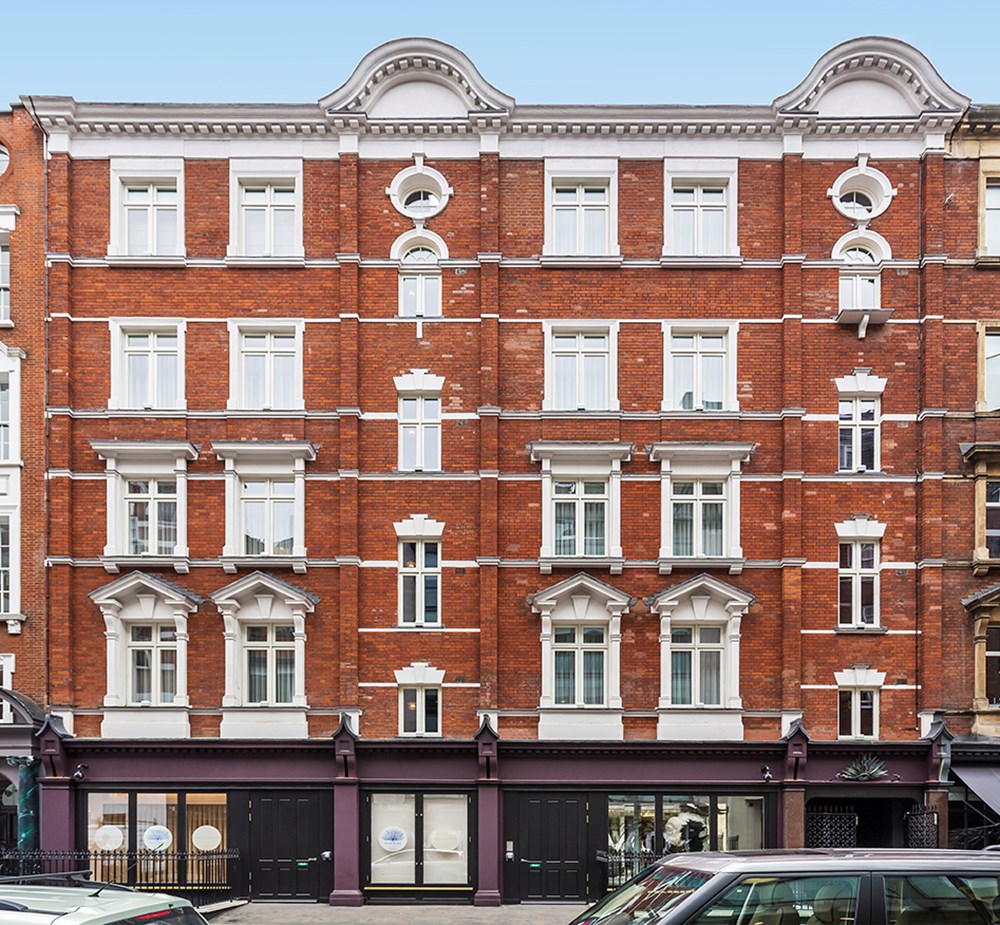
Whether you’re restoring original sash windows in a Georgian townhouse or specifying new timber windows for a sympathetic new build within a conservation area, Lomax + Wood has the experience to help.
We are proud to hold both FSC® and PEFC Chain of Custody certifications, ensuring that all timber we use is sourced from responsibly managed forests. Unlike other timber manufacturers, we hold full Chain of Custody certifications – this gives the timber we use in our windows and doors full traceability from forest to finished product.
FAQs
Do I need planning permission to replace windows in a conservation area?
It depends. If an Article 4 direction applies, or the property is listed, you’ll need formal consent. Otherwise, like-for-like replacement may fall under permitted development.
Can I install UPVC windows in a conservation area?
This is unlikely to be approved. Local planning authorities generally require materials that match the original design, and UPVC rarely meets this standard.
Are timber sash windows more expensive than UPVC?
Timber sash windows typically cost more upfront, but they offer better thermal performance, a longer lifespan, and are far more likely to gain approval in a conservation area.
What happens if I replace listed building windows without consent?
Replacing listed building windows without consent can lead to serious consequences, including hefty fines and legal action. You may also be required to restore the original windows at your own expense. Always seek permission before making any alterations to ensure compliance with conservation regulations and preserve historical integrity.
How long does it take to get planning permission for window replacement?
This varies by local authority, but most decisions are made within 8 weeks of a valid planning application.
Get expert advice on your conservation area project: speak to our team today
Replacing windows in a conservation area doesn’t need to be complicated, but it does require careful planning and the right materials. Our team has years of experience helping architects, developers, and homeowners navigate planning requirements while achieving a traditional appearance with modern performance.
Get in touch today to discuss your project and request a free quote.
- Fill in our online contact form
- Call us on 01277 353857