What a Professional Sash Window Fit Involves
- 23 October 2026|
- News
Fitting sash windows is not the same job as fitting a standard casement window. Sash windows rely on a working mechanism, hidden weights, cords and a box frame that has to be measured and installed with precision. Get it wrong, and you risk draughts, sticking sashes, or damage to a period property’s original opening.
At Lomax + Wood, we design, manufacture and fit timber sash windows across the UK. This article explains what a professional installation actually involves, from the initial survey through to the final finishing touches, and why this level of expertise matters for architects, developers and homeowners alike.
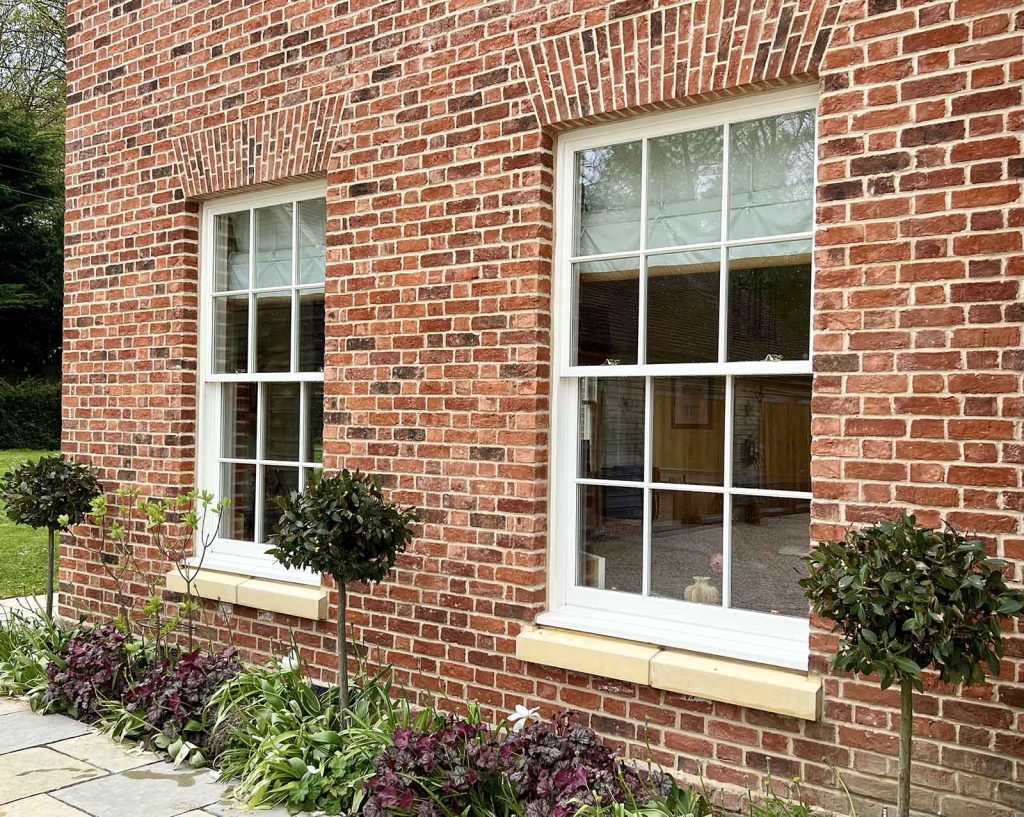
How do sash windows work?
Sash windows operate through a system of sliding frames, allowing for easy opening and closing. The upper and lower panes slide vertically against each other, providing ventilation while maintaining aesthetic appeal. This traditional design combines functionality with elegance, making sash windows a popular choice in classic architecture.
Why fitting sash windows demands specialist skill
A sash window is essentially a mechanical system built into a window frame. The top sash and bottom sash slide vertically, traditionally balanced by sash weights hidden within the sash frame, or by modern spring balances.
This means an installer needs to understand:
- How the box frame accommodates moving parts
- How the window opening has settled or shifted over time, particularly in older buildings
- How to align a new window so both sashes operate smoothly for years to come
None of this is guesswork. It is precise, considered work that protects the character of period properties while delivering modern performance.

The survey: getting it right from the start
Every professional installation begins with a detailed survey. This is where the foundations of a successful fit are laid, quite literally.
During a survey, we assess:
- The condition of the existing windows and surrounding brickwork
- Whether the opening is square, or has moved over decades
- The condition of the external sill, internal sill, and stone sill, where fitted
- Any internal decorative features, such as internal window boards, cornicing or original astragal bars, that need to be protected during works
For period properties, this survey stage is particularly important. Original openings are rarely perfectly square, and a good survey identifies these quirks before manufacturing begins, not after.
Removing the old window with care
Whether we are replacing tired uPVC sash windows or an old timber window, removal has to be handled carefully to avoid damaging the opening.
This typically involves:
- Carefully releasing the sashes from the sash frame
- Checking for any hidden fixings within the existing frame
- Inspecting the gap of the frame and surrounding brickwork once the old window is out
- Assessing whether the brick method used originally (such as a rebated reveal) needs to be matched by the new window
This stage is where experience counts. A rushed removal can crack a stone sill or damage brickwork that has stood for over a century.
Structural considerations unique to sash windows
Sash windows have specific structural requirements that casement windows do not. These include:
- Box frame depth, which must accommodate sash weights or spring balances
- Deep bottom rail detailing, common in Victorian and Georgian designs
- Horns and astragal bars, which need to match the proportions of the original window
- Internal window clearances, ensuring the sash does not catch on internal sills or boards
Getting these details right is what separates a historically accurate installation from a generic replacement.
The finishing details that set professional installations apart
The difference between an average installation and a high quality one often comes down to details that are easy to overlook:
- Fixings finished with hidden screws and covers of the caps, rather than visible fixing points
- Brush draught seals fitted correctly along the full running length of the sash
- Furniture or period-appropriate ironmongery fitted square and true
- A final check of every moving part, from the bottom part of the window through to the top sash
These finishing touches are what create that huge improvement in both appearance and performance that homeowners notice immediately.

Why professionals beat DIY sash window projects
There is no shortage of blogs, forums and even affiliate links promoting the DIY sash window route. You will find plenty of well-meaning advice, from Colin’s Sash Windows to countless Instagram highlights showing before-and-after transformations.
However, fitting sash windows properly requires specialist tools, such as a glazing hammer for traditional putty glazing, and an understanding of how box frames, weights and reveals interact. For most projects, particularly those involving period properties or listed buildings, working with an experienced manufacturer and installer is simply the better way, and often the best way, to guarantee a lasting result.
Sustainability you can rely on
All windows are made using responsibly sourced FSC® or PEFC certified timber including Engineered Redwood, Hardwood, Oak or Accoya, with custom sizing and various colour finishes available. Each product is made to order, allowing us to meet specific architectural requirements while incorporating practical features such as secure locking systems, durable finishes, and appropriate glazing options to improve comfort and efficiency.
FAQs
Do I need planning permission to replace sash windows?
In most cases no, unless the property is listed or in a conservation area. Our team can advise on specific requirements during your survey.
How long does a professional installation take?
Most domestic sash window installations are completed within a day or two per window, depending on scope and access.
Can you match existing period detailing?
Yes. We regularly match horns, astragal bars, and mouldings to existing windows for conservation and heritage projects.
In a nutshell:
- Fitting sash windows involves a detailed survey, careful removal, and precise structural work
- Box frames, sash weights, and period detailing all require specialist knowledge
- Professional installation protects period properties and delivers lasting performance
- Lomax + Wood manufacture and fit bespoke timber sash windows across the UK
Get in touch with Lomax + Wood
If you are an architect, developer, or homeowner planning a sash window project, our team would be pleased to discuss your requirements and provide a free quotation.
Get in touch via our online contact form or call us on 01277 353857.