Triple Glazed Wooden Windows: Is It Worth It?
- 16 October 2026|
- News
Specifying windows for a new build in a conservation area is rarely simple. Architects and developers must balance strict planning requirements with modern energy efficiency standards, all while keeping costs and timescales realistic. One question that comes up again and again is whether triple glazed wooden windows are worth the investment over standard double glazing.
This article looks at the technical differences between double and triple glazing, where triple glazing genuinely earns its keep, and when it might not be the right option. We’ll also look at its relevance to Passivhaus projects, and how Lomax + Wood’s timber window range supports specifiers working within conservation constraints.
Lomax + Wood: experts in bespoke timber windows
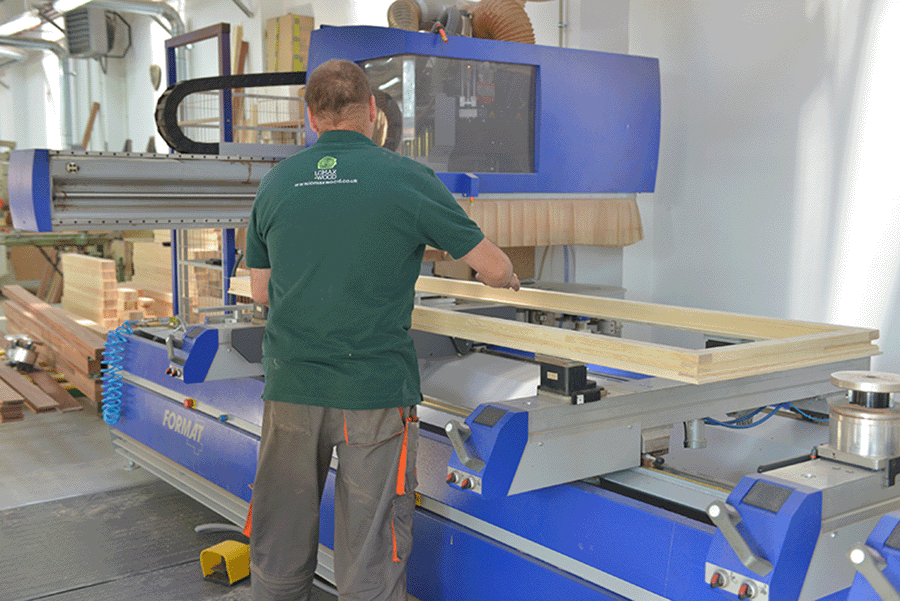
Lomax + Wood has been designing and manufacturing timber windows and doors since 1994, originally as a wooden sash window specialist under the Ambass-A-Door brand. Since 2014, under the direction of Chris Wood, the business has expanded its range to include aluminium-clad timber and aluminium composite products, while keeping timber craftsmanship at its core.
We work directly with architects, developers and housebuilders across the UK, supplying windows that meet PAS 24 security standards and Part Q compliance as standard, alongside a full range of U-values and acoustic upgrades.
All windows are made using responsibly sourced FSC® or PEFC certified timber including Engineered Redwood, Hardwood, Oak or Accoya, with custom sizing and various colour finishes available. Each product is made to order, allowing us to meet specific architectural requirements while incorporating practical features such as secure locking systems, durable finishes, and appropriate glazing options to improve comfort and efficiency.
Timber window options from Lomax + Wood
Our range covers most conservation and new build scenarios:
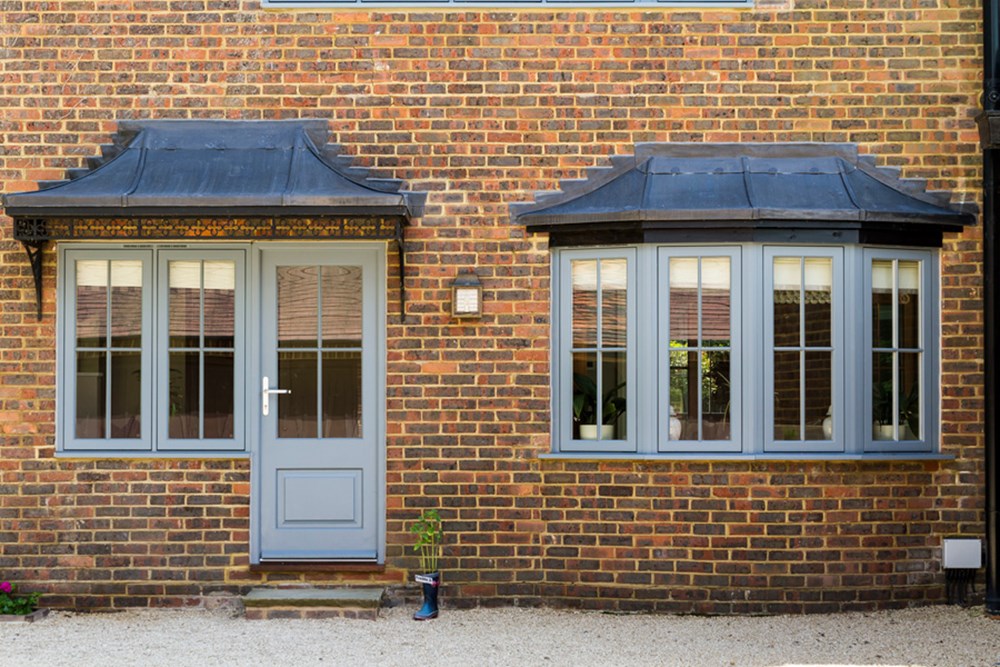
- Wooden casement windows – flush casement design suitable for both heritage and contemporary settings, with a standard U-value of 1.2, improving to 1.0 with upgrades
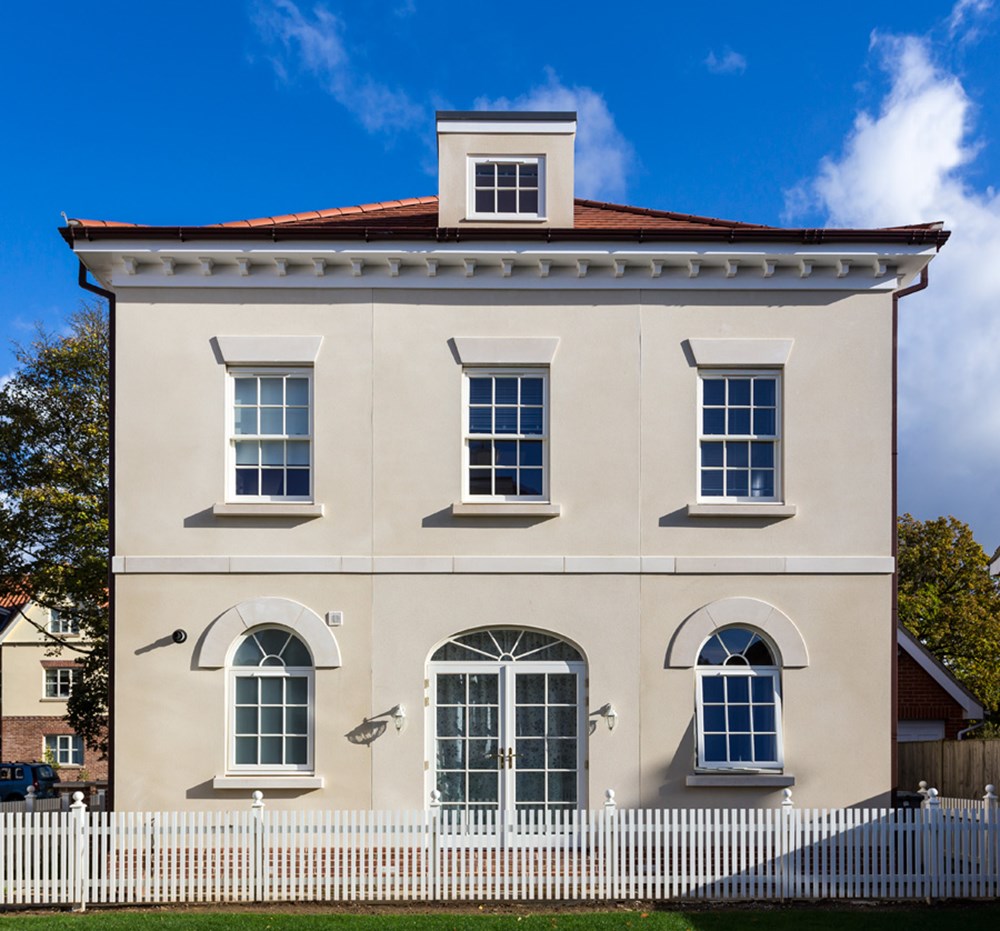
- Timber box sash windows – traditional vertically sliding sash, U-values as low as 1.1
- Spring balanced sash windows – a more economical sash option often specified in new builds, factory double glazed as standard with a 1.1 W/m²K whole window U-value
- Single glazed sash windows – for listed buildings where double or triple glazing isn’t permitted, with the option of vacuum sealed units for improved thermal performance without altering appearance
Triple glazing is available as a standard offering across our casement and sash ranges, giving specifiers the flexibility to choose the right level of thermal insulation for each project.
The technical difference: double glazing vs triple glazing
The main difference between double and triple glazing is straightforward: an additional pane of glass and an extra air gap.
- Single glazing: one pane of glass, minimal thermal insulation, prone to heat loss and condensation
- Double glazing: two panes of glass with one air gap, U-values typically between 1.0 and 1.4 W/m²K
- Triple glazing: three panes of glass with two air gaps, U-values as low as 0.8 W/m²K in high-performance units
That extra pane of glass reduces heat transfer through the window, meaning less heat escapes during colder months. The additional air gaps also slow the movement of sound waves, which is why triple glazing typically delivers superior noise reduction compared with standard double glazing.
In practical terms, this means:
- Lower heat loss through the window glass
- More consistent indoor temperatures across the year
- Reduced solar gain in summer, depending on glass specification
- Better acoustic performance in areas with external noise, such as busy roads or flight paths
Is triple glazing relevant to Passivhaus projects?
Triple glazing is closely associated with Passivhaus and other low-energy building standards, particularly in colder climates such as Scandinavian countries, where excellent thermal insulation is essential to manage heating bills and carbon emissions.
Passivhaus certification requires very low U-values across the whole building envelope, and window U-values of 0.8 W/m²K or lower are common on certified schemes. Triple glazing helps achieve this, but it isn’t the only factor. Frame design, air leakage rates and installation detailing all contribute to the finished U-value of a window.
For architects working towards Passivhaus or similar green building targets, triple glazed wooden windows can form part of a wider fabric-first strategy. However, they should be specified alongside a full assessment of the building’s local climate, orientation and heating strategy, rather than as a blanket upgrade.
When is triple glazing the right option?
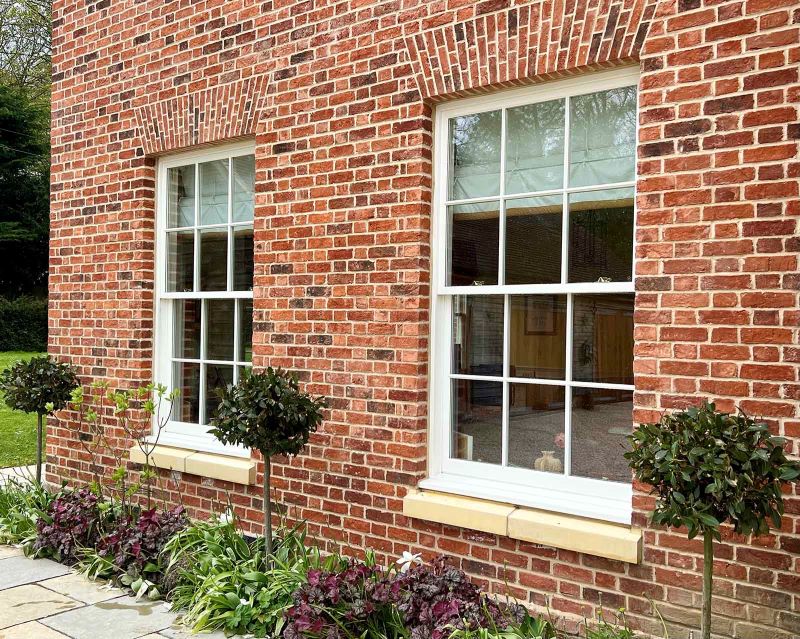
Triple glazing isn’t always the best value choice. In many conservation area projects, the added weight and depth of triple glazed units can affect sightlines and glazing bar proportions, which may not suit heritage-sensitive designs. In these specific circumstances, double glazing paired with high-performance spacer bars and low-e coatings can achieve similar comfort levels with slimmer profiles.
Triple glazing tends to offer the best value where:
- The building is in a genuinely cold climate or exposed location
- Noise pollution from traffic or industry is a significant concern
- The project is targeting Passivhaus or AECB standards
- North-facing elevations need extra protection against heat loss
For most new builds in conservation areas, standard double glazing with a well-specified timber frame remains a practical and historically appropriate solution, with triple glazing reserved for projects with clear performance targets.
Triple glazed wooden windows at a glance
- Triple glazing adds an extra pane of glass and air gap, lowering U-values and improving noise reduction versus double glazing
- It’s worth specifying for Passivhaus projects, cold climates, or sites with high external noise
- For heritage-sensitive conservation area schemes, double glazing often remains the right option due to sightline restrictions
- Lomax + Wood offers triple glazing as standard across its casement and sash window ranges, alongside double and single glazed options
Benefits of Lomax + Wood’s timber windows
- Made-to-order sizing and design options to match architectural drawings exactly
- PAS 24 security tested and Part Q compliant
- U-values as low as 1.0 to 0.8 depending on product and glazing
- Acoustic upgrades available up to 42dB for superior sound insulation
- FSC® or PEFC certified timber with full Chain of Custody traceability
- Suitable for listed buildings, conservation areas and new build developments alike

Is the extra cost worth it?
Investing in triple glazed wooden windows can be worthwhile due to their superior energy efficiency, noise reduction, and durability. While the initial cost is higher, the long-term savings on energy bills and increased comfort make them a valuable addition for those seeking quality and sustainability.
Get in touch with Lomax + Wood today
Choosing between double and triple glazed wooden windows depends on your project’s location, budget and performance targets. Our team can talk through the options and help you make an informed choice based on your specific circumstances.
Get in touch with Lomax + Wood today for a free quote or to discuss your project requirements:
- Fill out our online contact form
- Call us on 01277 353857