When Listed Building Rules Meet Modern Living
- 16 September 2026|
- News
No property is immune to planning red tape.
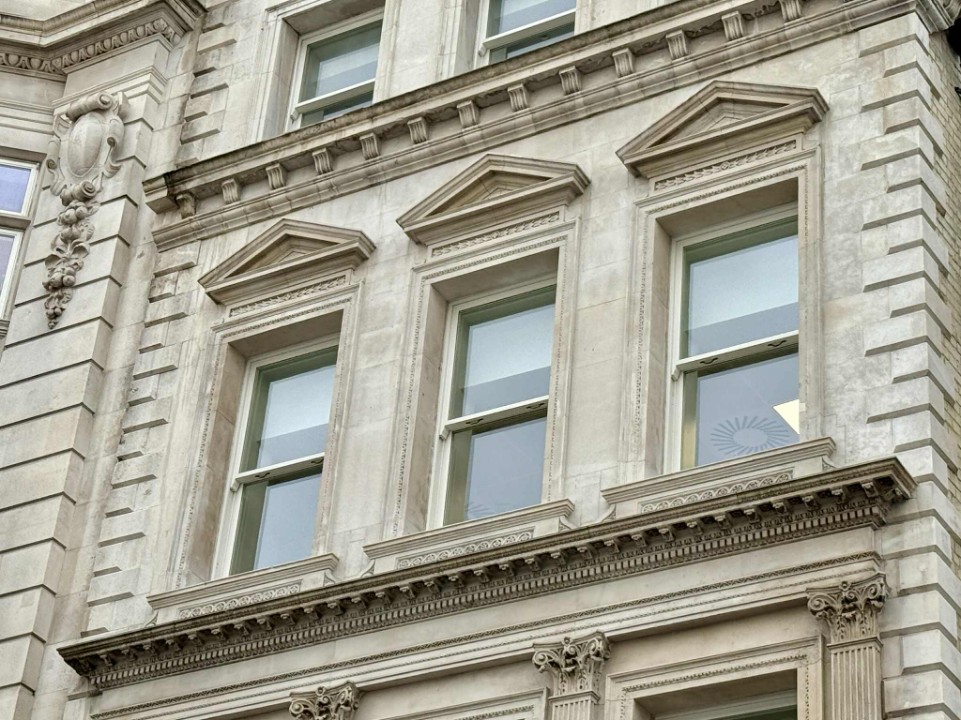
A recent Times article revealed that the Duke of Westminster’s Grosvenor Estate, which owns 118 grade II and grade II* listed buildings in Eaton Square, London, has been blocked from fitting heat-reducing window awnings. Hugh Grosvenor described the listed building consent system as “completely mad”, pointing out that the very same style of awnings hung on these buildings when they were first built in the mid-1800s.
It’s a striking example of a problem facing thousands of period property owners across the UK. As energy bills climb, homeowners, architects and developers are under pressure to improve the thermal performance of older buildings. But heritage rules, designed to protect historic character, can make even sensible, reversible changes difficult to approve.
The same Times article referenced Grosvenor’s own Retrofit or Ruin report, published in February 2025, which warned that England’s 350,000 listed buildings risk becoming “uninhabitable, unaffordable and ultimately redundant” without a simpler planning system.
For architects, developers and housebuilders, this is a daily challenge. At Lomax + Wood, we’re here to help solve this issue by demonstrating how the right timber window and door specification can help you improve performance without compromising on approval.
Why this matters for your next project
Every listed building project involves the same tension. Clients want warmer homes in winter, cooler homes in summer, and lower energy bills. Conservation officers want the historic character preserved.
Windows and doors sit right at the centre of this debate. They’re often the biggest source of heat loss in a period property, but they’re also one of the most visible and protected features.
Get the wrong specification and you risk:
- Delayed or refused planning applications
- Costly redesigns after the fact
- Non-compliant installations that need to be removed
- Frustrated clients caught between comfort and compliance
With every challenge, however, lies an opportunity. Get it right, and you can deliver genuine thermal performance improvements without compromising a building’s listed status.
The challenge: heritage character versus modern performance
Traditional single glazed timber windows look right in a Georgian townhouse, but they leak heat. Modern uPVC or aluminium replacements perform well thermally, but they’re rarely accepted by conservation officers, and for good reason. The proportions, glazing bars and finishes rarely match the original joinery.
This is exactly the gap that heritage-approved timber windows and doors are designed to fill.
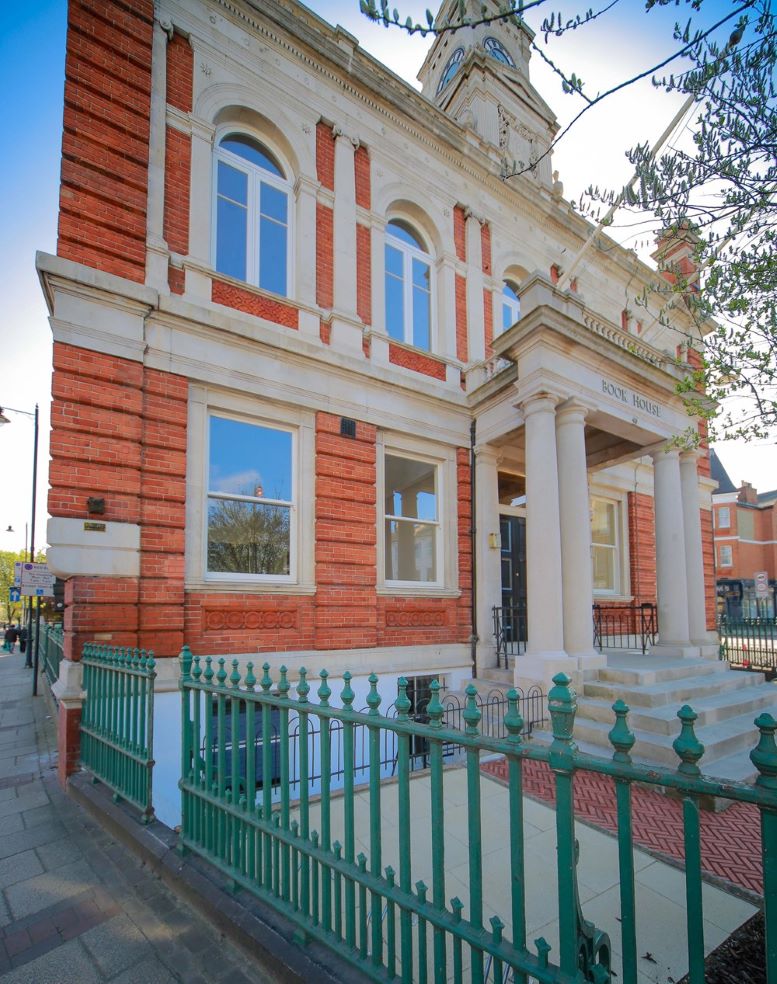
How Lomax + Wood supports compliant upgrades
At Lomax + Wood, we design and manufacture timber windows and doors that are built to satisfy conservation officers whilst still delivering measurable performance improvements.
Designed to match historic detailing
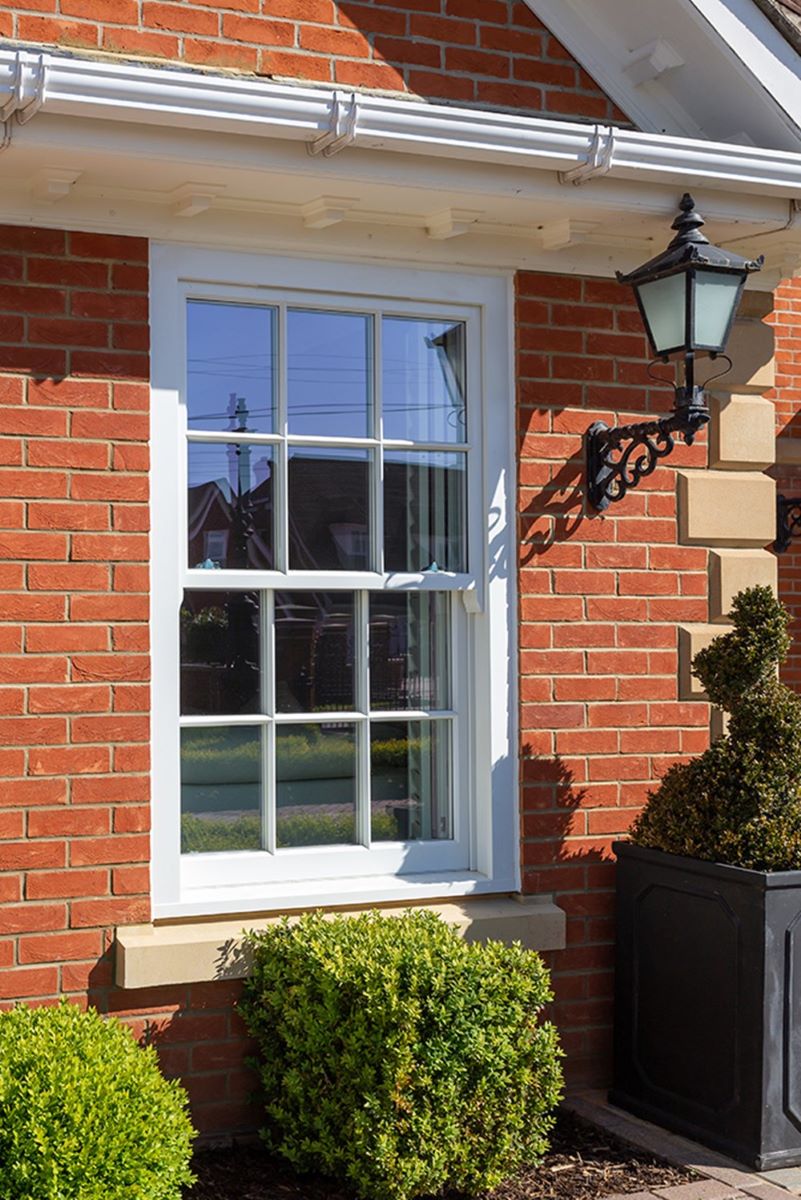
Our sash windows, casements and doors replicate the fine details that heritage officers look for, including:
- True glazing bars and putty glazing
- Slim sightlines to match original joinery
- Accurate historic proportions and profiles
- A choice of Engineered Redwood, Engineered Hardwood, Engineered Oak or Accoya
Improved thermal and acoustic performance
Where double glazing is permitted, our products deliver:
- U-values as low as 1.0 W/m²K on casement windows
- U-values as low as 1.1 W/m²K on box sash and spring sash windows
- Noise reduction from 36dB as standard, up to 42dB with acoustic upgrades
- PAS 24 (2016) security certification, Part Q compliant
Where a property is listed and double glazing isn’t an option, we also manufacture single glazed sash windows with vacuum sealed unit upgrades. These offer improved thermal insulation and noise reduction without altering the single pane appearance that conservation officers expect to see.
A track record with listed and period property
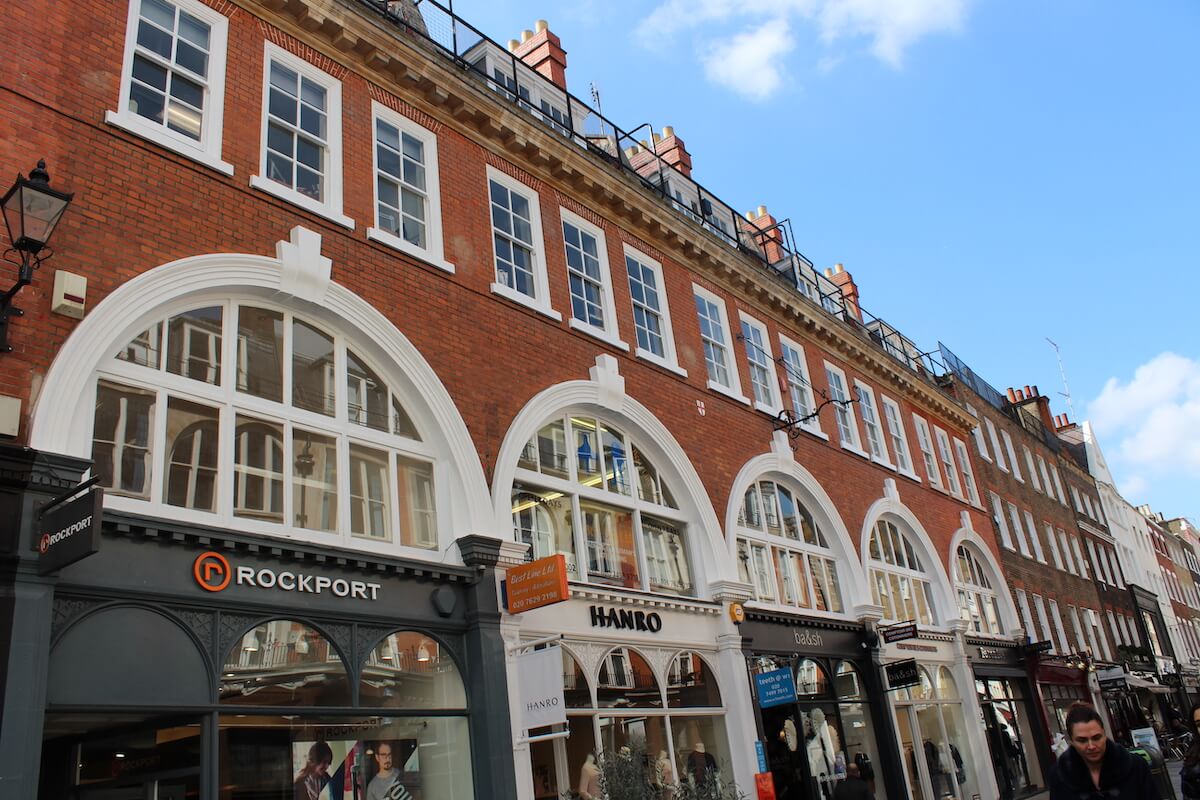
We’ve supplied and installed windows and doors on period, conservation and listed properties throughout Greater London, the South East and across the UK. As our case studies show, every product is made to order, so sizing, glazing bar layout and finish can be matched to a specific building’s requirements and to conservation officer expectations.
All windows are made using responsibly sourced FSC® or PEFC certified timber including Engineered Redwood, Hardwood, Oak or Accoya, with custom sizing and various colour finishes available. Each product is made to order, allowing us to meet specific architectural requirements while incorporating practical features such as secure locking systems, durable finishes, and appropriate glazing options to improve comfort and efficiency.
Practical steps for planning a compliant window or door upgrade
- Check the listing grade first. Grade I and grade II* buildings usually face tighter restrictions than grade II.
- Speak to the local conservation officer early. Understanding their expectations before submitting drawings saves time.
- Specify like-for-like detailing. Match glazing bar width, sightlines and opening method to the original design.
- Choose a manufacturer with heritage experience. Ask for evidence of previous listed building installations.
- Consider vacuum glazing for single glazed sash windows. This can improve performance without changing the external appearance.
In a nutshell:
- The Duke of Westminster’s Eaton Square case shows how listed building rules can block sensible energy efficiency improvements.
- MPs and Grosvenor’s Retrofit or Ruin report both call for a simpler, more flexible planning system.
- Timber windows and doors from Lomax + Wood are designed to meet conservation requirements while improving thermal and acoustic performance.
- Every product is made to order, using FSC® or PEFC certified timber, with U-values as low as 1.0 W/m²K.
Frequently asked questions
Do I still need listed building consent for window upgrades?
Yes, in most cases. Any change affecting a listed building’s character, inside or out, usually requires consent. Speak to your local conservation officer before specifying replacement windows or doors.
Can double glazing be used in listed buildings?
Sometimes. It depends on the listing grade and the conservation officer’s view. Where double glazing isn’t permitted, single glazed sash windows with vacuum sealed unit upgrades are worth considering.
How long does it take to get planning permission for window replacements?
This varies by council and project complexity. The Eaton Square case shows this can take years for larger estates, though most individual homeowner applications move faster.
Bespoke timber windows and doors: contact Lomax + Wood today
If you’re planning a window or door upgrade on a listed or period property, our team can help you find a solution that satisfies conservation requirements and improves comfort.
Get in touch using our online contact form or call us on 01277 353857 for a free quote and to discuss your project in more detail.