Timber Casement Window Details Explained for Specifiers
- 6 July 2026|
- News
When specifying timber casement windows, the difference between a good result and a great one often comes down to the finer points. Frame profile dimensions, glazing bar positions, ironmongery selection, weather seal performance and manufacturing quality all influence how a window looks, functions and performs over its lifetime.
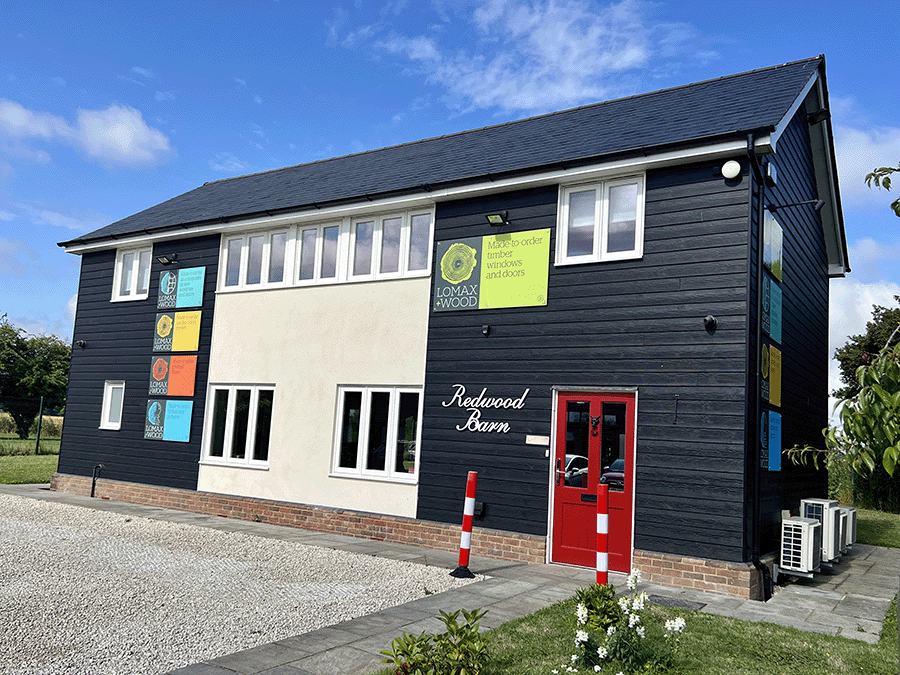
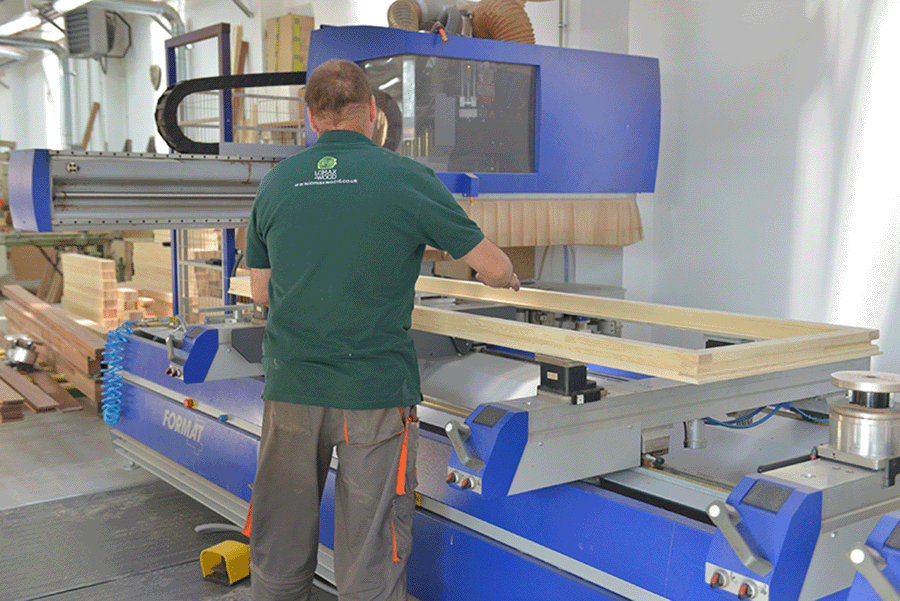
At Lomax + Wood, we design and manufacture bespoke timber casement windows from our Essex base, supplying projects across the UK. Every window is made to order, meaning specifiers, clients and homeowners can choose the exact details required, rather than compromising on a standard off-the-shelf product.
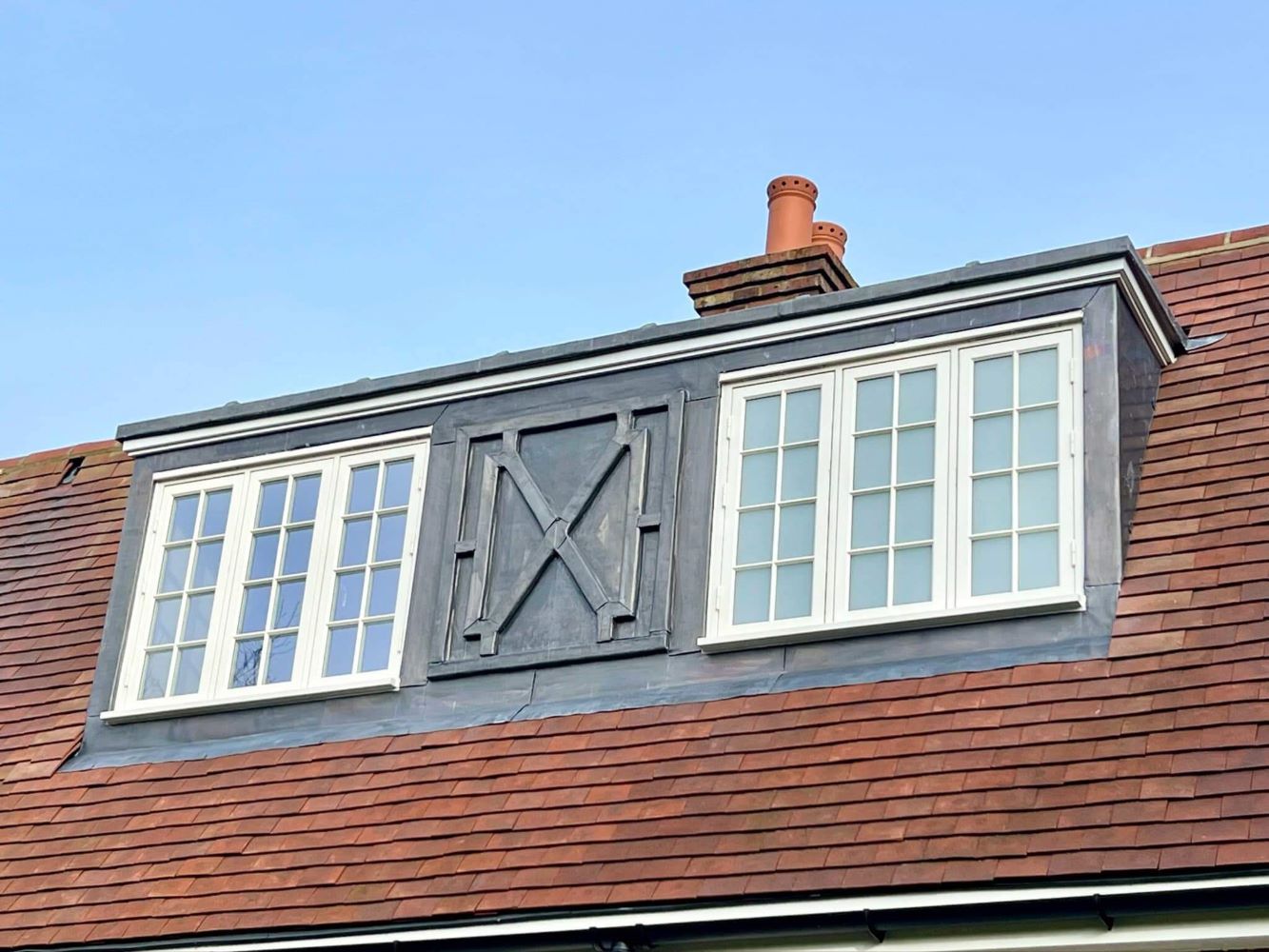
What is a casement window?
A casement window is a window that is hinged on one side and opens outward (or inward) on a pivot. It is one of the most common and versatile window types used in UK residential and commercial architecture.
Unlike sash windows, which slide vertically or horizontally, a casement opens on hinges, typically at the side. This gives it strong weather-tightness and good ventilation control.
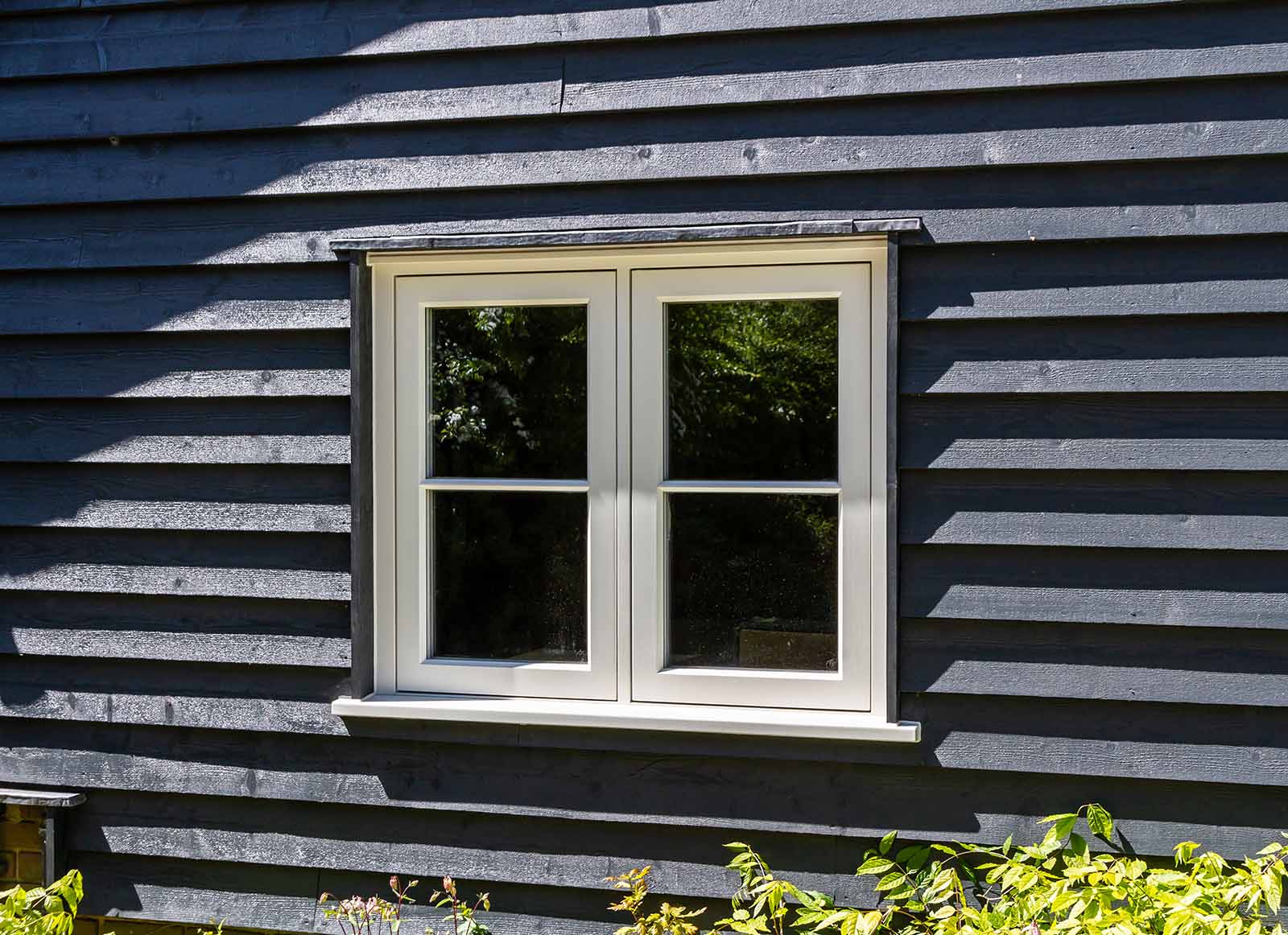
Flush casement windows sit flush with the outer frame, giving a clean, flat profile that suits both contemporary and heritage settings. This is an important distinction for specifiers working on period properties or conservation areas.
Frame profiles and sections: why detail matters
The frame profile is the starting point for any timber casement window detail. It determines the visual weight of the window, how it reads from the street, and how it performs structurally.
Key profile considerations:
- Frame depth: Deeper frames accommodate thicker glazing units, including triple glazing. Lomax + Wood casement frames are engineered to accommodate double glazing as standard, with upgrade options available.
- Rebate size: The rebate is the stepped section in the frame where the glass or sash sits. A deeper rebate improves weather resistance.
- Sight lines: Slimmer sight lines give a more elegant appearance, particularly important for heritage and conservation area projects.
- Ovolo or flat section: Traditional profiles use an ovolo (rounded) moulding on the inner face. Contemporary flush casement windows typically use a flat or chamfered section.
Lomax + Wood offers both flush casement windows and more traditional casement profiles, with section details available on our timber casement windows product page.
Glazing bars to add detail
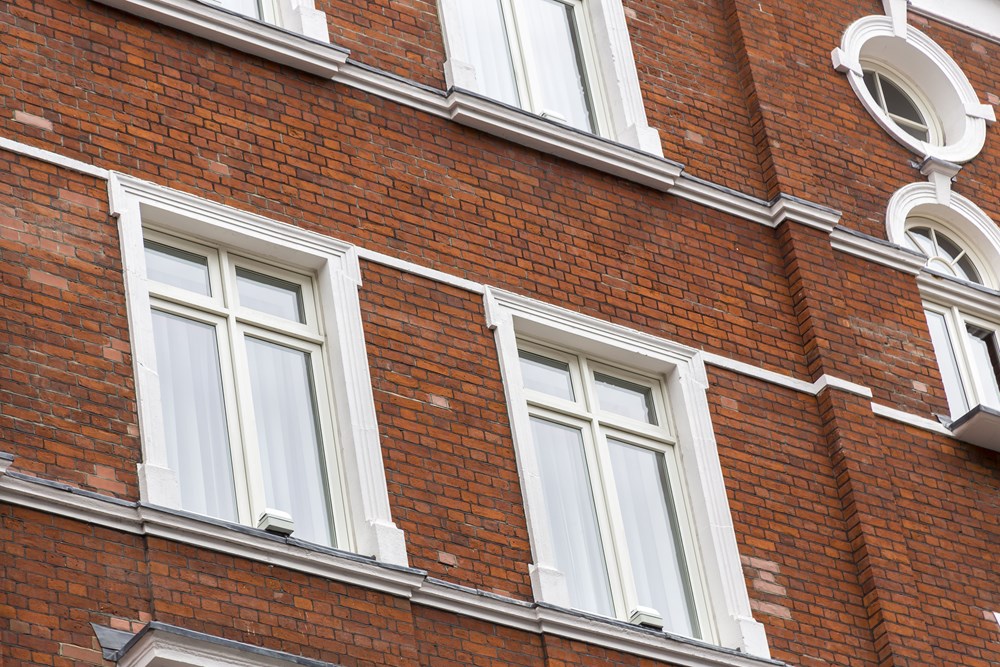
Glazing bars divide the window into smaller panes of glass. They are a critical element of the timber casement window detail, particularly for period and conservation projects.
Types of glazing bar:
Astragal bars: Applied to the outer face of double glazed units to replicate the appearance of true glazing bars. The most common solution for thermally efficient period-style windows.
Horizontal bar: A single horizontal bar across the centre or top of the casement is a common feature in Arts and Crafts and vernacular designs.
Georgian bar: A grid pattern of glazing bars dividing the window into multiple panes of glass. Widely used in listed buildings and conservation areas.
Glazing options: from standard double glazing to acoustic upgrades
Glazing selection has a significant impact on thermal efficiency, acoustic performance and security. Lomax + Wood casement windows are factory double glazed as standard.
Glazing options available:
Standard double glazing: 4/16/4 configuration with low-e coating and argon fill. Achieves a whole window U-value of 1.2 W/m²K as standard.
Upgraded double glazing: Optional upgrade to achieve a U-value of 1.0 W/m²K.
Triple glazing: Available for projects requiring enhanced thermal efficiency, particularly relevant for Passivhaus-influenced or low-energy designs.
Laminated glass: Improves security and is suitable for Part Q compliance.
Acoustic glass: Our acoustic upgrade uses 1 PPVB Silence laminated glass, achieving 38dB noise reduction. An Acoustic+ option achieves 42dB. Tested to BS EN ISO 10140-2:2010.
Decorative and obscured glass: Available for internal privacy or heritage glazing aesthetics.
All glazing is internally glazed, which improves security and simplifies maintenance.
Ironmongery and hardware: functionality and finish
Ironmongery is where functionality and aesthetics meet. For architects and specifiers, it is worth addressing hardware selection early in the design process.
Key ironmongery components for casement windows:
Hinges: Side-hung casements use friction hinges or easy-clean hinges. Easy-clean hinges allow the sash to pivot for external cleaning from inside. The hinge specification affects how far the window opens and the overall ventilation area.
Handles and fasteners: Cockspur handles and espagnolette handles are the two most common types. Espagnolette handles drive multi-point locks and are increasingly preferred for security compliance.
Locking systems: All Lomax + Wood casement windows meet PAS 24 (2016) and are Part Q compliant as standard, meaning they meet the security requirements of Approved Document Q for new dwellings.
Stays: Casement stays hold the window open at a fixed position. They are available in a range of finishes.
Available ironmongery finishes include:
- Polished chrome
- Satin chrome
- Antique brass
- Matt black
- Powder-coated options to match RAL colours
Matching ironmongery across windows and doors on a project creates a consistent, considered result. Our team can advise on ironmongery selection during the quoting process.
Timber options: species and engineering
The choice of timber affects durability, workability, stability and appearance. All Lomax + Wood casement windows are manufactured from engineered timber sections, which reduces movement and improves long-term stability compared with solid timber.
Available timber species:
- Engineered Redwood: The most widely specified option. Cost-effective, stable and takes paint finishes well.
- Engineered Hardwood: A durable option suitable for painted or stained finishes.
- Engineered Oak: A premium option with a distinctive grain, often specified for high-end residential projects.
- Accoya: A modified softwood with outstanding dimensional stability, durability and paint retention. Particularly well-suited to exposed locations and high-humidity environments.
Whether working with Redwood, Oak, or Accoya, all of our timbers are sustainably sourced. We are proud of the fact that every piece of timber used in our made-to-order timber windows is FSC® or PEFC certified. Unlike other sustainability credentials, our full Chain of Custody certification guarantees complete traceability throughout the supply chain, ensuring that our timber comes from forests that are sustainably managed.
Colour and finish options
Colour selection is an important part of the specification process. Lomax + Wood timber casement windows are available in a wide range of finishes.
Finish options:
- Single colour: A consistent RAL or BS colour applied inside and out.
- Dual colour: Different colours on the internal and external faces. Common on projects where internal joinery finishes differ from the external facade.
- Natural stained: Allows the timber grain to show through. Available in a range of stain colours.
- Farrow and Ball colour matching: Available on request.
All products leave the factory spray-finished with a micro-porous paint system, which allows the timber to breathe and reduces the risk of paint failure. This is applied as a three-coat system for consistency and durability.
Flush casement windows: a note for conservation area projects
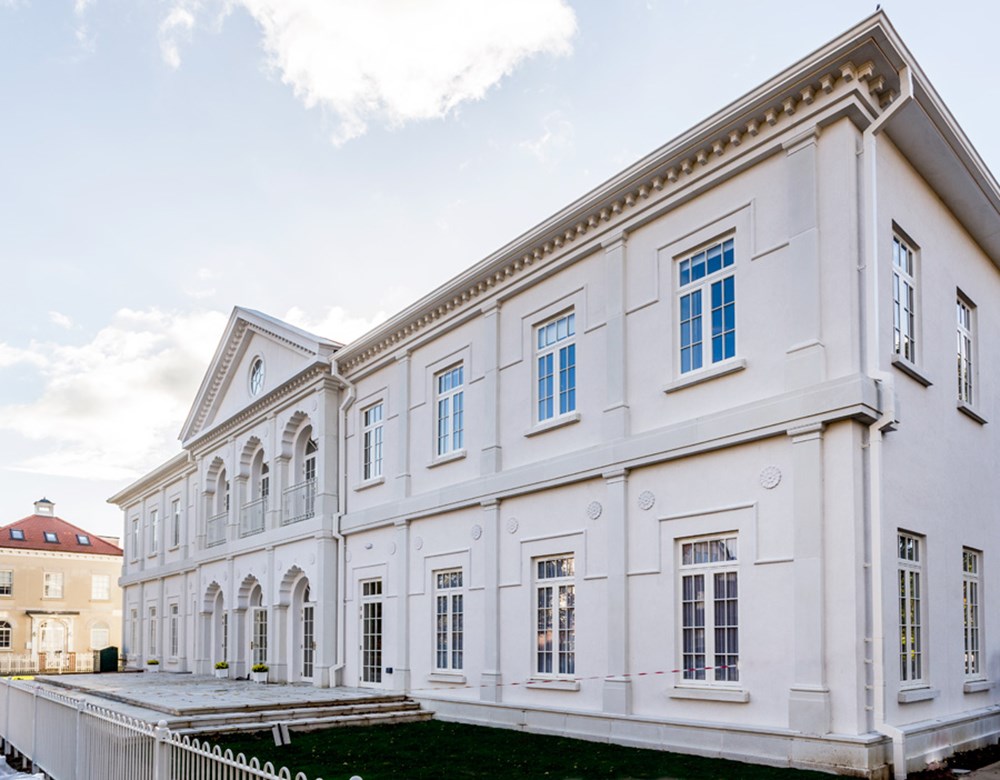
Flush casement windows are increasingly specified for conservation areas and listed buildings. The sash sits flush with the outer face of the frame, replicating the appearance of traditional timber windows without the operational compromises of older designs.
Lomax + Wood flush casement windows are designed to meet heritage and conservation officer requirements while incorporating modern double glazing, weather seals and security hardware. They are a practical solution where planning conditions restrict the use of more contemporary window styles.
For projects in conservation areas, our team can provide specification support and product details to assist with planning submissions.
Frequently asked questions about timber casement window detail
What is the lead time for timber casement windows?
Lead times are typically 6 to 8 weeks from order confirmation, depending on specification complexity and current workload. Contact us for an accurate programme for your project.
Can I specify a flush casement with a horizontal bar?
Yes. Glazing bar configurations are made to order. We can incorporate a horizontal bar, Georgian bars or no bars at all, depending on the design brief.
Are your casement windows suitable for Passivhaus projects?
We offer triple glazing upgrades and can achieve U-values suitable for low-energy buildings. Contact us to discuss your specific thermal performance targets.
Can existing wooden windows be retrofitted with double glazing?
Yes, in some cases. The frames must be in good condition and sufficiently deep to accommodate a double glazed unit. Contact us to discuss a survey.
Do you offer supply and fit?
Yes. Lomax + Wood offers a complete design, supply and fit service, with a single point of contact throughout.
Key specification points at a glance
- Timber casement windows from Lomax + Wood achieve U-values from 1.2 down to 1.0 W/m²K as standard
- Weather tested to BS6375 Part 1 with Class 4 air, CE2400 wind and Class 9A water ratings
- Security compliant with PAS 24 (2016) and Part Q as standard
- Available in Engineered Redwood, Hardwood, Oak or Accoya, all FSC® or PEFC certified
- Glazing options include standard double glazing, acoustic glass and triple glazing
- Full range of finishes including single colour, dual colour and natural stain
- Made to order with typical lead times of 6 to 8 weeks
- Supply and fit service available with one point of contact
Talk to the Lomax + Wood team: find the perfect casement windows for your project
Whether you are an architect working on a conservation area project, a developer specifying windows across a new build scheme, or a homeowner planning a refurbishment, we are here to help you get the detail right.
Get in touch today: Fill in our online contact form for a free quote or to discuss your requirements or call us on 01277 353857 to speak with a member of the team.