Wooden Cottage Windows: Authentic Design For Heritage Homes
- 3 March 2026|
- News
Wooden cottage windows are fundamental to preserving the character of heritage properties and achieving historically accurate designs in conservation areas. For architects, developers and housebuilders working on period-sensitive projects, selecting the right window specification can determine whether a scheme successfully balances authenticity with modern performance standards.
At Lomax + Wood, we specialise in manufacturing bespoke timber windows that respect traditional cottage aesthetics whilst meeting current building regulations. Our made-to-order approach allows us to replicate specific historical detailing, adapt dimensions to suit existing openings, and incorporate contemporary glazing technology without compromising visual integrity.
Understanding traditional cottage window styles
Historic cottages across the UK typically feature two distinct window types: timber casement windows and vertical sliding sash windows. Each style has specific design characteristics that define its appearance and function.
Casement windows
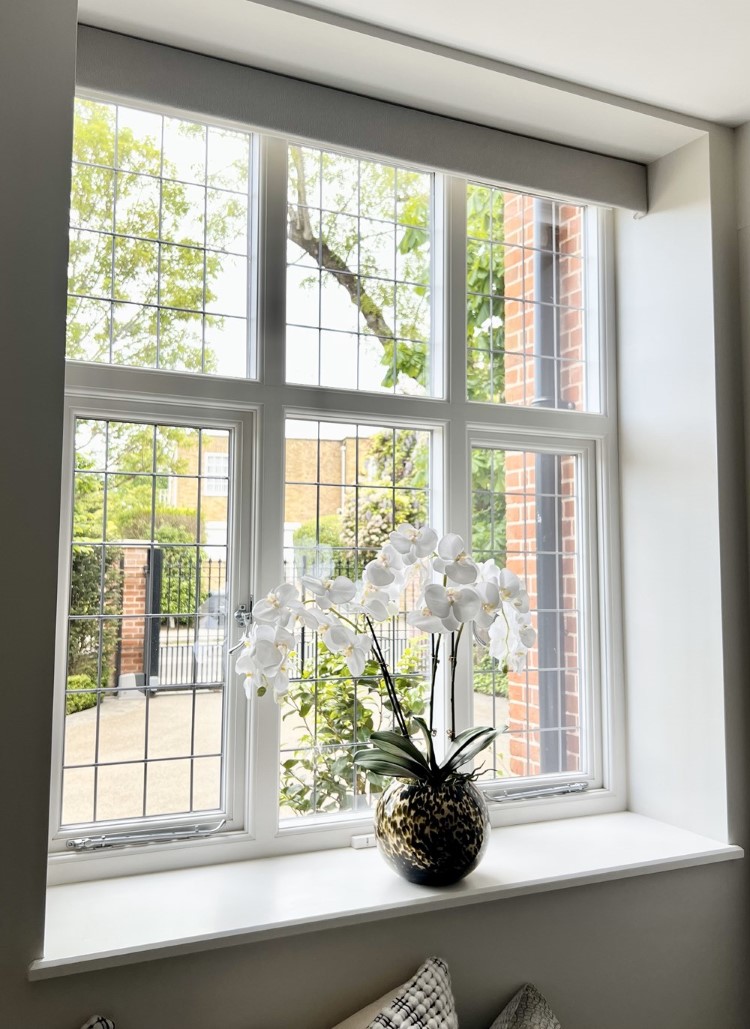
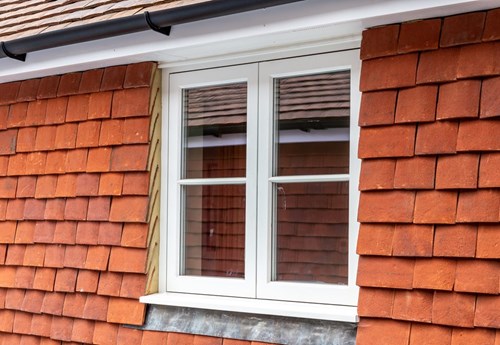
Wooden casement windows were the predominant style in rural cottages before the 18th century. Key features include side-hung opening sashes with simple ironmongery, small glass panes divided by glazing bars (often in a 6-pane or 9-pane configuration), flush or ovolo mouldings, and minimal frame depth with slender sight lines.
Sash windows
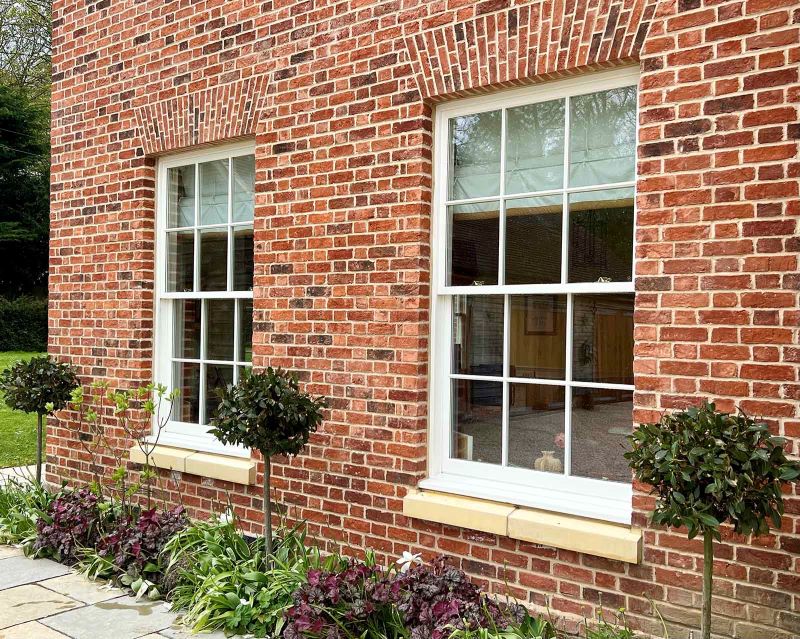
Vertical sliding sashes became standard in cottage architecture from the Georgian period onwards. Authentic characteristics include balanced upper and lower sashes operating within a timber box frame, traditional astragal glazing bars creating individual panes, slim meeting rails maintaining period proportions, and concealed counterweight or spring balance mechanisms.
Understanding these historical details is essential when specifying replacement windows for cottage renovations or designing new builds within conservation areas.
Which timber is best for authentic cottage windows?
The choice of timber significantly impacts both the appearance and longevity of cottage windows.
Engineered redwood is a cost-effective solution for projects requiring traditional appearance with improved stability. This material resists warping and twisting better than solid timber whilst accepting paint finishes well, making it suitable for developments where budget efficiency matters without sacrificing quality.
For projects demanding greater durability, engineered hardwood or oak delivers excellent strength and natural weather resistance. Oak, in particular, suits cottage properties where exposed timber frames form part of the architectural character. The grain pattern and colour variation in hardwood create visual depth that cannot be replicated with softwood alternatives.
Where maximum durability is required—particularly in exposed coastal locations or properties with limited maintenance access—Accoya modified timber offers exceptional moisture resistance and dimensional stability. This material maintains its performance across varying environmental conditions, making it an excellent option for heritage properties in challenging situations.
At Lomax + Wood, environmental responsibility is central to our manufacturing philosophy. We source all timber used in our bespoke windows and doors with full Chain of Custody certification (FSC or PEFC), ensuring complete traceability throughout the entire supply chain, from the forest to the finished product.
Design detailing for period accuracy
Achieving authentic cottage window design requires attention to specific architectural details that define traditional appearance.
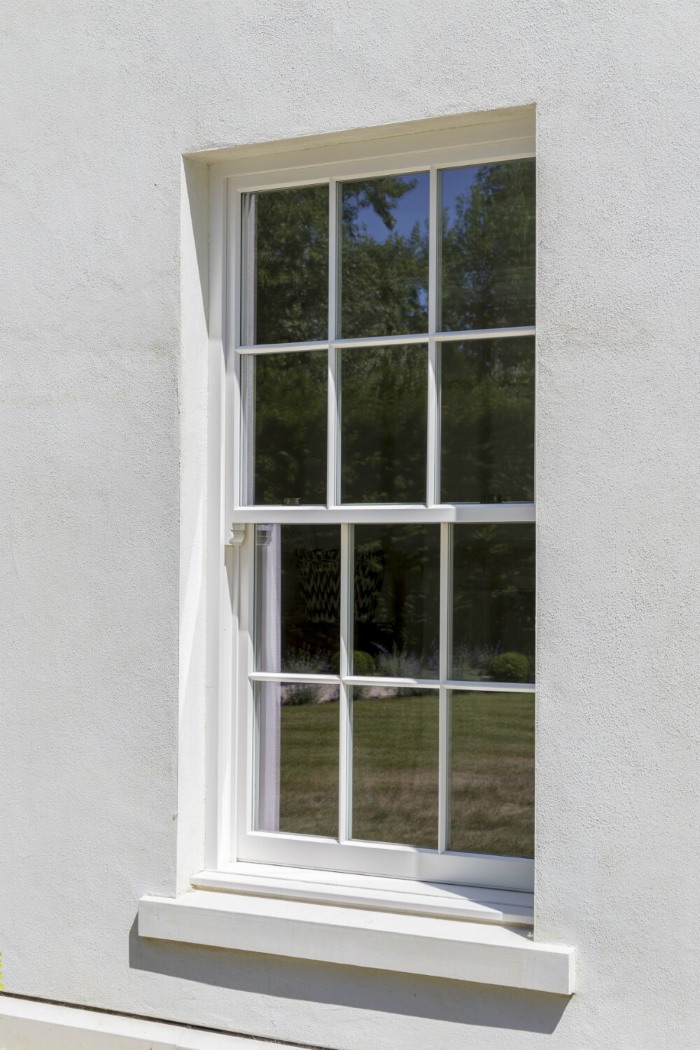
Historic cottage windows typically feature true glazing bars that divide individual glass panes rather than applied bars over large glazing units. Standard profiles include 20mm wide ovolo bars for Georgian and Victorian cottages, flat or lamb’s tongue profiles for earlier styles, and custom moulding profiles to match existing windows in restoration projects.
Traditional cottage windows have relatively slim frames compared to modern equivalents. Our bespoke manufacturing process allows us to replicate these proportions whilst incorporating contemporary glazing technology. Frame depths are specified according to the architectural period and regional style being replicated.
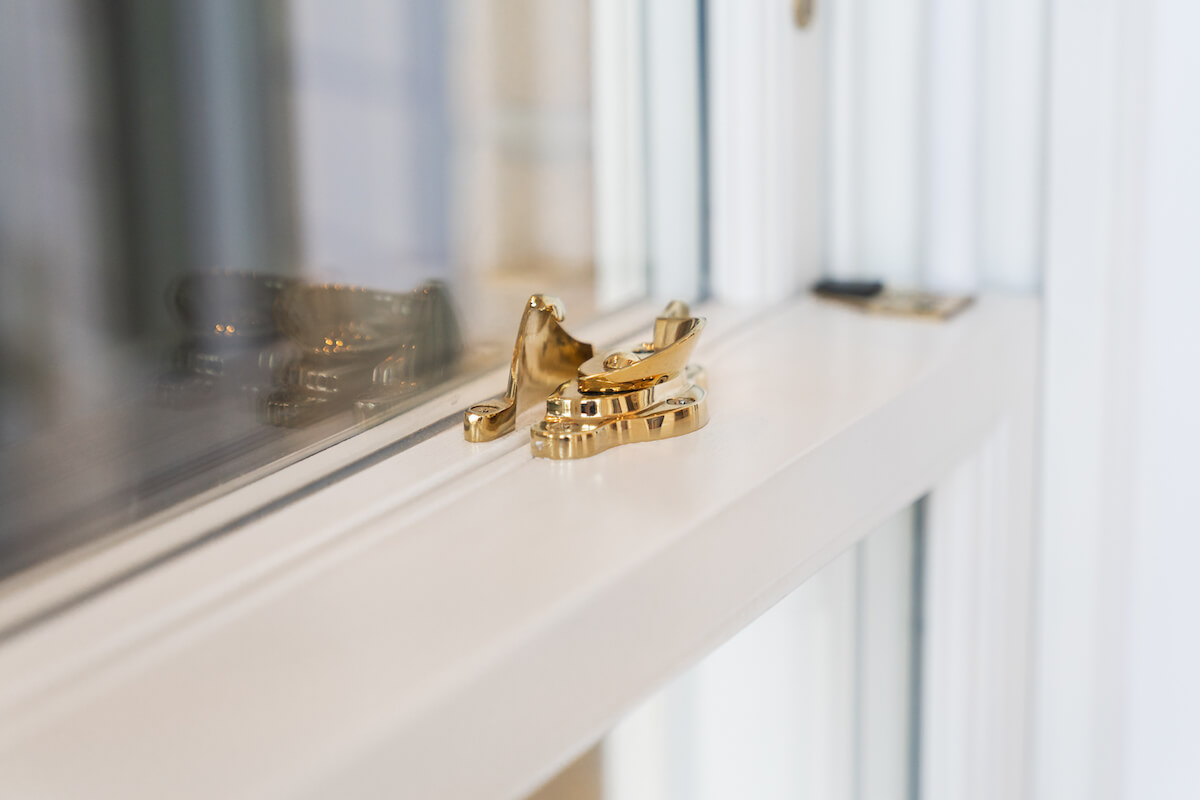
Hardware significantly impacts the authenticity of cottage windows. We offer an extensive range of traditional ironmongery including classic Monkeytail handles, Bulb End (or Peardrop) handles and a variety of finishes including Brass, Antique Brass, and Black.
Combining heritage style with modern performance
Energy efficiency
Modern building regulations require specific performance levels for thermal efficiency, weather resistance and security—standards that can be challenging to meet whilst maintaining historical accuracy.
Our wooden cottage windows achieve U-values as low as 1.1 W/m²K, meeting Part L requirements without requiring bulky frame sections. This performance is achieved through high-specification double glazing with low-emissivity coatings and argon gas fills, and weather sealing systems concealed within traditional profiles.
Acoustic insulation
Properties in conservation areas often face traffic noise or other acoustic challenges. Our standard specification provides 36dB noise reduction, with acoustic upgrades available up to 42dB through specialised glazing and additional sealing systems.
Weather performance
All cottage window designs are performance tested to BS6375 Part 1, achieving Air permeability Class 4, Wind resistance Class C5 (sash windows) or CE2400 (casement windows), and Water tightness Class 7A or 9A depending on design.
Security
Security features are integrated without compromising period appearance. Our windows meet PAS 24:2016 and Part Q requirements through multi-point locking systems and internally glazed construction, providing modern security standards within traditional designs.
Bespoke manufacturing for heritage applications
Cottage properties rarely feature standard window sizes. Historic building methods, structural movement over time, and regional variations in construction all contribute to non-standard openings that require made-to-order solutions.
Or manufacturing process accommodates these challenges through custom sizing—every window is manufactured to exact measurements provided by site surveys. This approach eliminates the compromise inherent in standard sizes and ensures proper fit within existing or new openings.
A wide range of finishes is available to suit different project requirements including factory-applied microporous paint systems in any RAL colour, dual colour options with different external and internal finishes, natural stained treatments for hardwood windows, and specialist finishes for coastal or industrial environments.
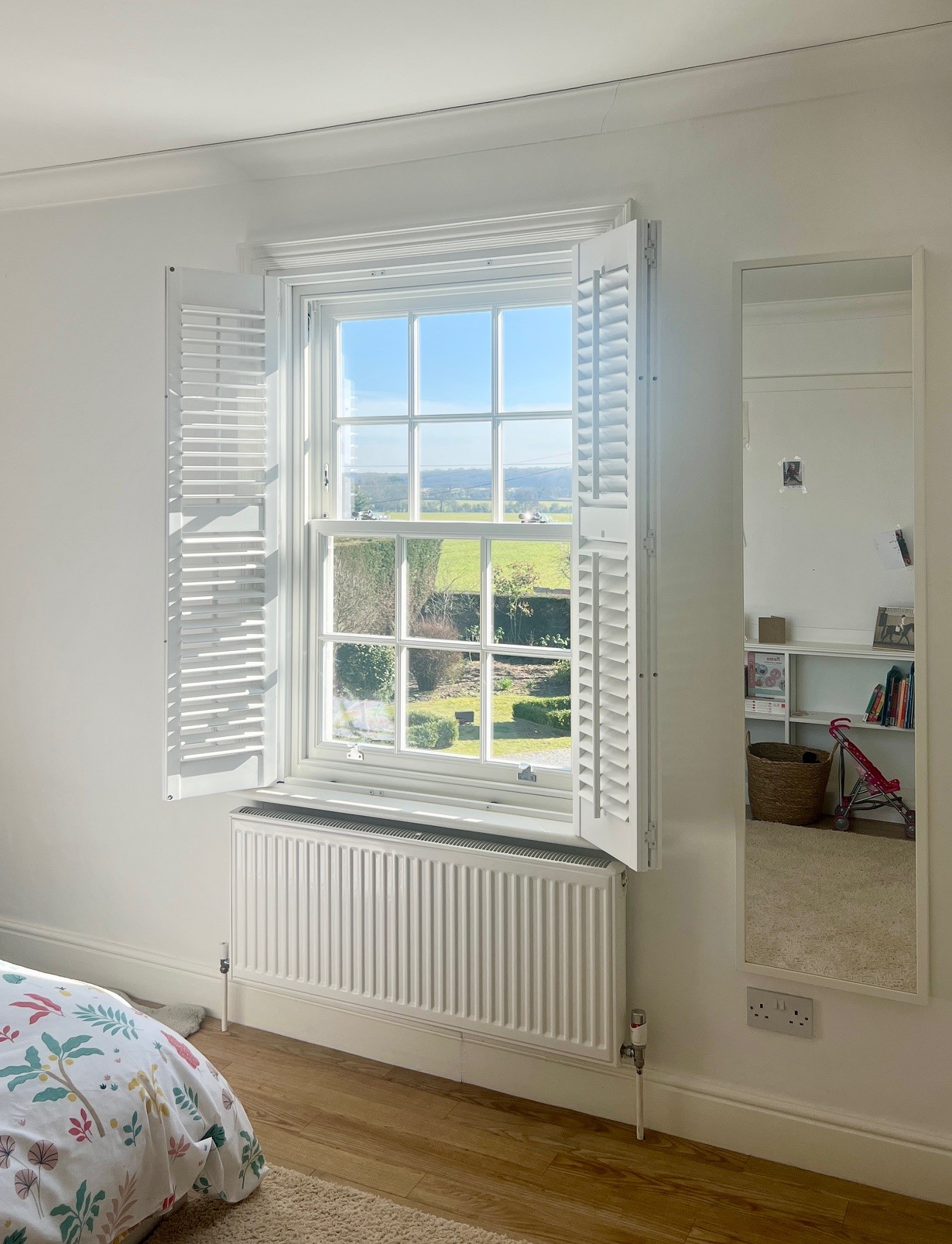
Colour and finish options for wooden cottage windows
Historically, cottage windows were typically painted rather than left as bare timber. Our standard specification includes a three-coat factory-applied microporous paint system in RAL 9010 white, but alternative colours are readily available.
Popular choices for heritage projects include traditional whites and creams, period greys and greens, dark heritage colours, and natural stained finishes for oak-framed buildings.
Dual finish options allow different colours internally and externally, accommodating both planning requirements and interior design preferences.
What maintenance do wooden cottage windows require?
With proper maintenance, timber windows last decades. Factory-applied microporous paint finishes protect the timber and typically require repainting every 7-10 years depending on exposure. Regular cleaning and checking seals maintains performance. This maintenance requirement is offset by timber’s repairability—unlike uPVC, wooden windows can be refinished rather than replaced
Why choose Lomax and Wood for cottage windows?
Lomax + Wood combines traditional craftsmanship with contemporary manufacturing capabilities to deliver authentic wooden cottage windows for heritage developments across the UK.
With extensive experience in conservation area projects and listed building restorations, we understand the specific requirements of heritage work and maintain strong relationships with conservation officers throughout the UK.
With flexible packages ranging from supply-only all the way to full site survey and installation, we provide a single point of contact throughout the project, simplifying our project whether you’re a homeowner looking for the perfect wooden cottage windows, an installer looking for the perfect style for a customer or a developer looking to bring the charm of heritage styles to new developments.
Get your free quote today: contact Lomax + Wood
Whether you’re working on a listed building restoration, a conservation area development, or a new build requiring authentic cottage-style fenestration, Lomax + Wood can provide bespoke timber windows manufactured to your exact specifications.
To discuss your project requirements or request a quotation, contact us through our online contact form or call 01277 353857.