Timber Vs Aluminium Windows: Which Is Right For Your Project?
- 22 December 2025|
- News
When selecting windows for a new build, renovation, or commercial project, the material choice matters significantly.
Timber and aluminium are the top choices for more premium projects, and each offer different advantages. But which truly performs better across aesthetics, durability, cost, and sustainability? And which is the best for your project?
This guide compares both materials head-to-head, helping architects, developers, and homeowners make informed decisions.
Understanding the key differences
The choice between timber and aluminium windows isn’t straightforward. Both materials can deliver quality results—but they excel in different scenarios.
Timber is one of the most prized materials for windows, offering natural insulation and timeless appeal. Modern timber windows combine heritage craftsmanship with contemporary features including double glazing, thermal breaks, and secure multi-point locking systems.
Aluminium windows use lightweight metal frames with thermal breaks to improve insulation. They’re modern, require minimal maintenance, and suit contemporary properties well – however they are not as versatile as timber.
The real question isn’t which is “better”—it’s which suits your specific project requirements and long-term vision.
Aesthetics: timber’s natural advantage
Here’s where timber truly distinguishes itself.
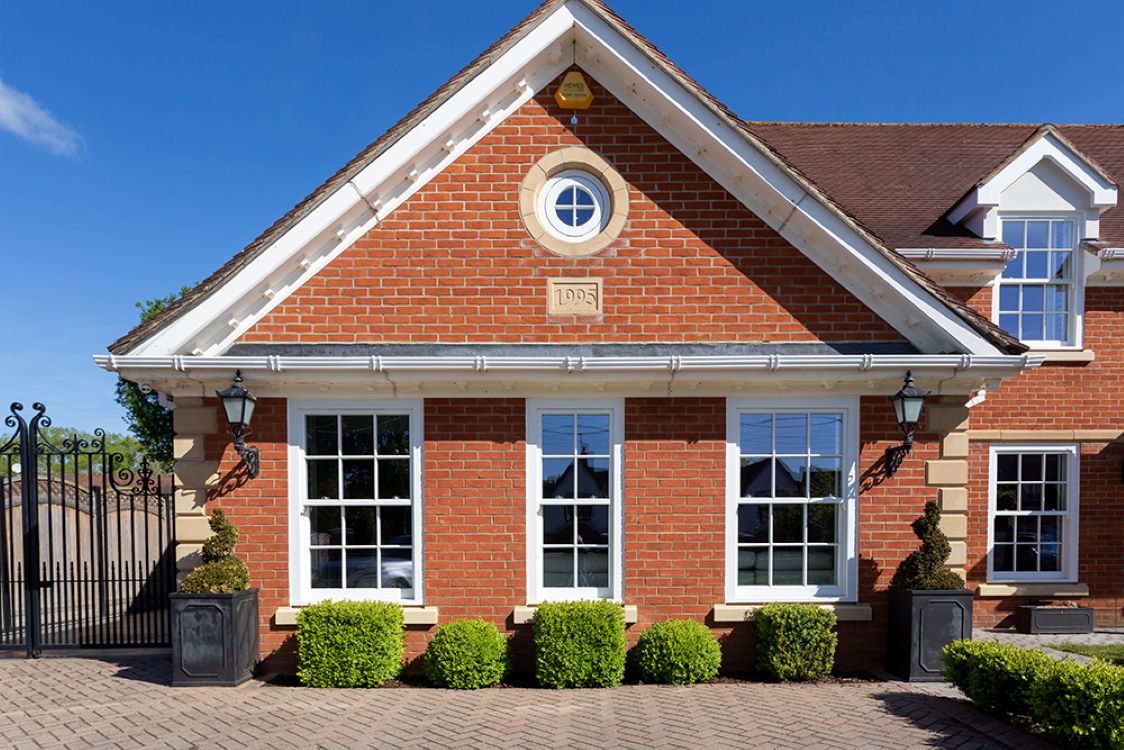
Timber frames deliver warmth and character that aluminium and other modern materials like uPVC cannot replicate. Natural grain, texture, and colour variations create organic beauty complementing both period homes and modern spaces. Each window becomes slightly unique, adding individual character to a property.
Why timber windows are chosen for aesthetics:
- Natural wood grain and tonal variations create unique beauty in every window
- Heritage architectural details can be matched precisely as historic window designs were exclusively timber
- Premium timber offers a luxury aesthetic, perfect for both modern and traditional properties
- Timber ages beautifully when maintained properly.
Aluminium frames deliver clean lines and minimal visual weight. Slim profiles suit modern properties perfectly. However, they lack the warmth and organic character timber naturally provides. In traditional settings, aluminium can feel clinical.
For listed buildings and conservation areas, timber is frequently the only acceptable choice. Conservation officers typically require traditional materials preserving historical authenticity. Planning permission for aluminium windows in conservation areas is rarely granted.
Thermal efficiency: timber vs aluminium windows
With energy efficiency an increasing concern, the insulation properties of window materials is a priority with any project, whether residential or commercial.
Wood is a natural insulator due to the cellular structure, which contains air pockets naturally resisting heat transfer. Aluminium conducts heat readily along its length, requiring thermal breaks to prevent performance loss.
For those focused on reducing energy bills, timber windows represent genuine long-term savings.
Maintenance requirements for timber & aluminium windows
Aluminium requires minimal upkeep. Powder-coated finishes resist weathering, rarely need repainting, and withstand coastal environments well. For busy homeowners and developers prioritising convenience, aluminium makes practical sense, however it’s important to note that timber has a significantly longer lifespan.
While timber does require periodic maintenance to ensure it performs and looks its best, the material can last decades, outlasting both uPVC and aluminium.
Timber maintenance includes refinishing and repainting exterior finishes periodically to ensure weather resistance and keep them looking beautiful. Proper maintenance preserves appearance and functionality for decades, providing excellent value over the long run.
For many applications, timber’s superior long-term performance outweighs modest maintenance commitment.
Longevity & long-term value
Both materials deliver durability—but timber edges ahead when properly maintained. One of the main benefits of timber windows is that individual components and sections can be repaired and replaced without replacing the entire window frame.
Timber window lifespan:
- Can last up to 60+ years with occasional maintenance
- Individual components can be easily replaced
- Historic timber windows regularly exceed 100+ years
Aluminium window lifespan:
- 20–40 years typically
- Complete replacement often required
Quality timber windows installed correctly and maintained properly demonstrably outlast aluminium systems. Historic timber windows across the UK—many 150+ years old—continue performing excellently.
For architects and building developers viewing windows as permanent building components, timber’s durability represents genuine long-term advantage.
Cost considerations for timber vs aluminium windows
Initial costs favour aluminium. Aluminium windows typically cost 15–25% less upfront—a real advantage for developers working to tight budgets.
However, over 30–40 years, total cost of ownership frequently favours timber. Maintenance costs remain predictable and manageable. Refurbishment extends lifespan without complete replacement.
Heritage projects: timber is essential
For listed buildings, conservation areas, and period properties, timber is often the only acceptable option.
Conservation officers almost universally require traditional timber for listed buildings, conservation areas and historic restoration projects. Aluminium windows are very rarely accepted for use in conservation aeras.
Lomax + Wood: our range of premium timber windows for all projects
At Lomax + Wood, our timber window product range offers made-to-order solutions for every project type.
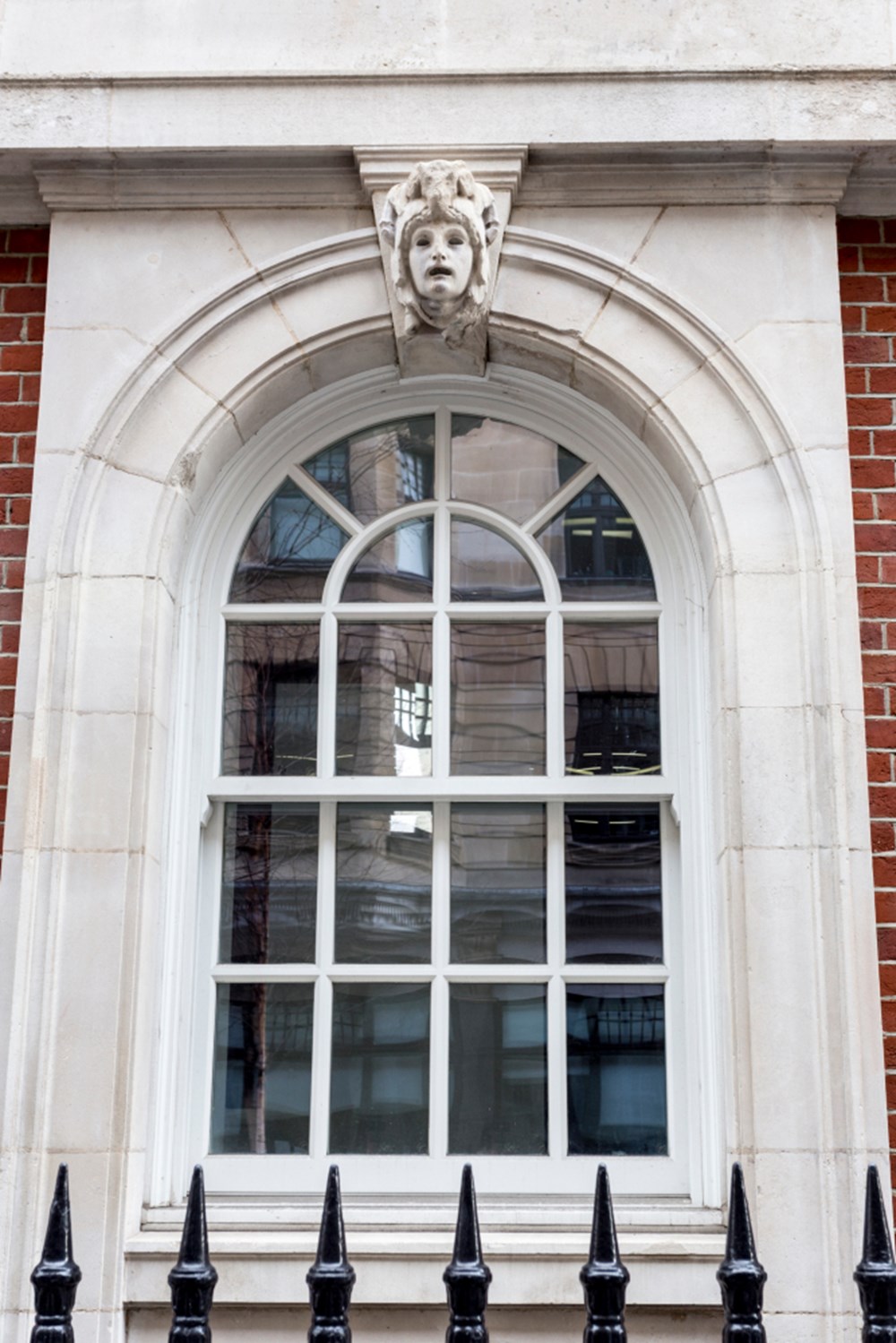
Our traditional box sash windows deliver historical authenticity with modern performance. Featuring authentic weights and pulleys, these windows suit period properties and conservation projects perfectly. Despite their heritage appearance, they incorporate contemporary advantages: thermal efficiency reaching U-values of 1.1, PAS24-certified security, and effortless operation.
For projects blending traditional character with modern convenience, our spring balanced sash windows provide classic period aesthetics using contemporary operating systems. They deliver excellent thermal and acoustic performance whilst preserving authentic sash window charm.
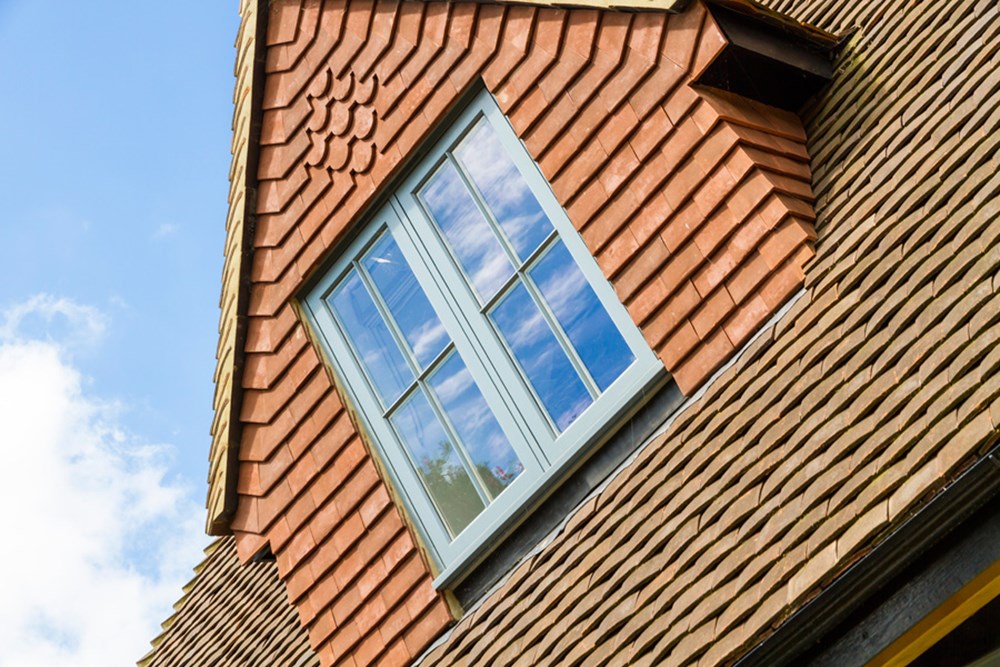
Our bespoke flush casement windows adapt to both traditional and contemporary architecture. Featuring clean lines and extensive customisation options—including varied configurations, glazing bar designs, and ironmongery selections—they create distinctive architectural statements with exceptional versatility.
Are timber windows suitable for contemporary homes?
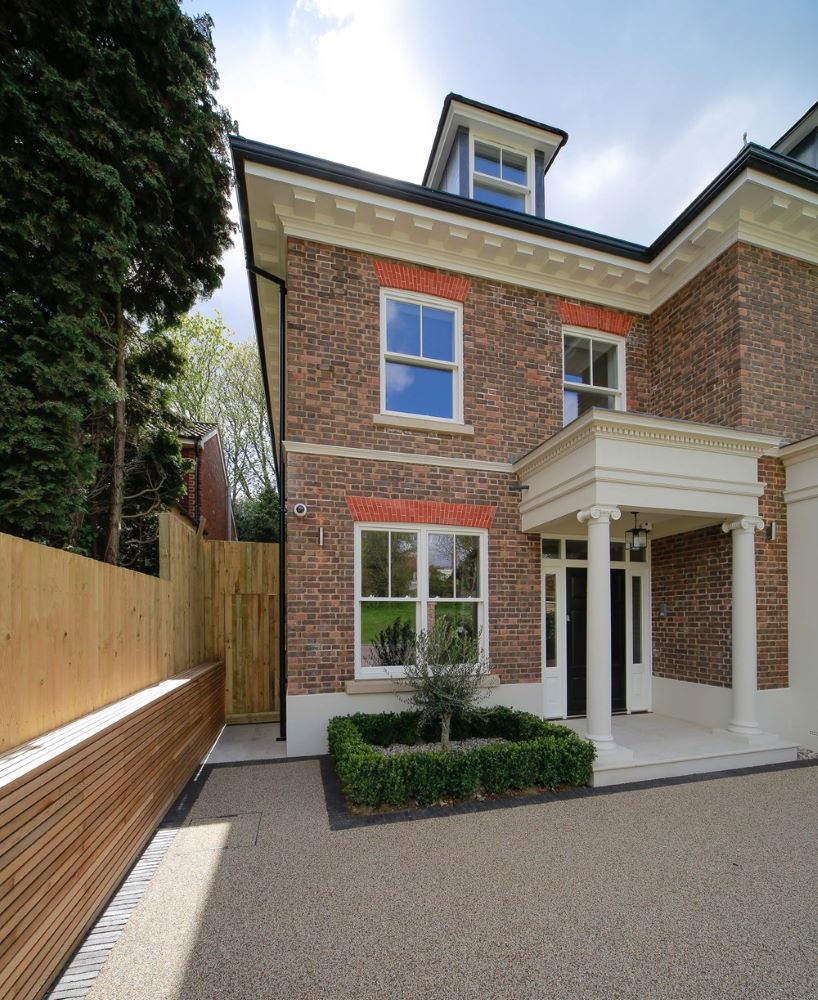
Absolutely. Contemporary timber windows with flush casement designs and minimalist detailing and profiles suit modern properties beautifully whilst delivering excellent thermal performance and longevity. When combined with modern hardware, timber windows are ideal for more contemporary projects.
Sustainable timber windows
At Lomax + Wood, environmental responsibility is central to our manufacturing philosophy. We source all timber used in our bespoke windows and doors with full Chain of Custody certification (FSC® or PEFC), ensuring complete traceability throughout the entire supply chain, from the forest to the finished product.
The verdict: timber vs aluminium windows
Wooden windows are a popular choice for long term value. With regular maintenance, these windows will offer excellent insulation with minimal environmental impact.
Aluminium suits specific projects—particularly contemporary buildings prioritising clean lines and minimal maintenance, and coastal properties demanding robust weather resistance.
For the majority of UK applications, timber windows remain the superior choice.
Discuss your next window project with Lomax + Wood: contact us today
Whether you’re specifying windows for heritage restoration, contemporary new builds, conservation areas, or commercial development, the right material choice significantly impacts success.
At Lomax + Wood, we’ve designed and manufactured bespoke timber windows and doors since 1994. Our in-house design team works with architects, developers, and homeowners to deliver windows balancing exceptional aesthetics, genuine performance, and authentic sustainability.
Contact us today to discuss your project requirements or to arrange a consultation. Complete our online contact form or call 01277 353857 to talk to our team about your next project.