Wooden Window Designs: Style, Function, and Flexibility
- 22 December 2025|
- News
Selecting the right wooden window designs for a project involves balancing architectural integrity, thermal performance, and long-term durability. For architects, developers, and housebuilders working on new builds in conservation areas, timber windows offer a versatile solution that meets both heritage requirements and modern building standards.
At Lomax + Wood, we manufacture bespoke timber windows designed to meet the specific demands of your project. From traditional sash windows to modern flush casement designs, our made-to-order approach ensures a perfect fit for any architectural style.
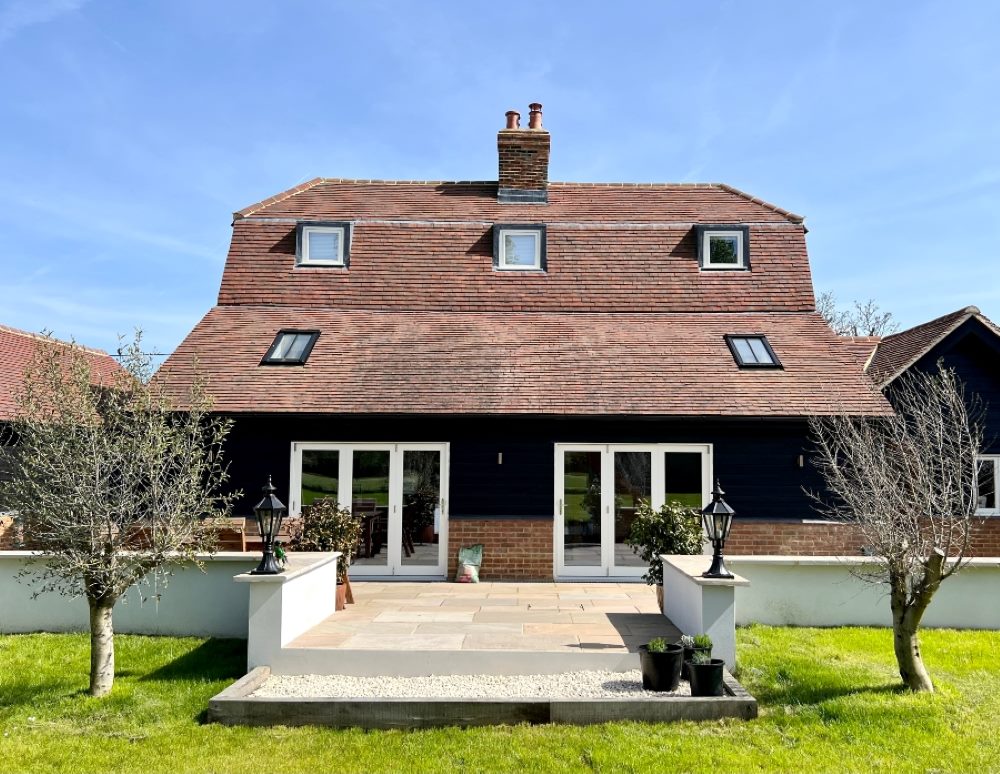
Why choose wooden windows?
Timber windows remain an excellent choice for projects where design quality and performance matter. Here’s why:
Energy efficiency: Modern wooden window frames deliver U-values as low as 1.0 W/m²K, helping to reduce energy bills and meet Part L Building Regulations.
Aesthetic appeal: Wood offers natural beauty and versatility, suiting everything from Georgian terraces to contemporary homes.
Durability: When manufactured from quality materials and properly maintained, timber windows can last decades.
Customisation: Made-to-order production allows for custom designs, bespoke dimensions, and a wide choice of finishes.
Sustainability: At Lomax + Wood, environmental responsibility is central to our manufacturing philosophy. We source all timber used in our bespoke windows and doors with full Chain of Custody certification (FSC® or PEFC), ensuring complete traceability throughout the entire supply chain, from the forest to the finished product.
Acoustic Performance: Timber naturally dampens sound, with noise reduction reaching up to 42dB with acoustic upgrades—ideal for projects near busy roads or in urban settings.
Understanding different window styles
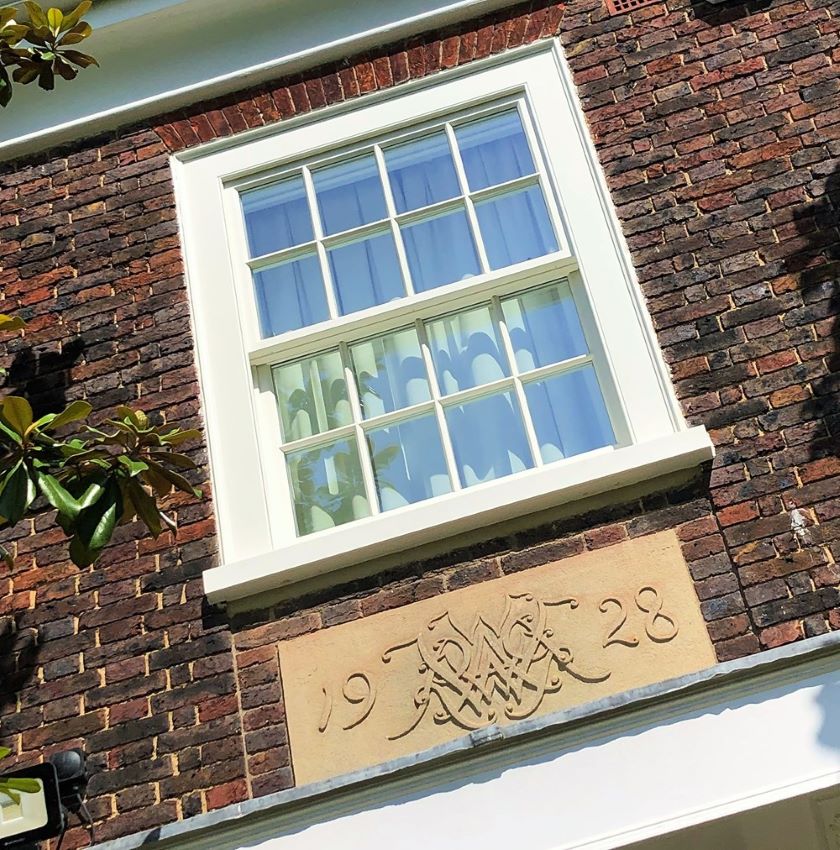
Traditional sash windows
Sash windows remain a popular choice for projects in conservation areas and listed buildings. Their vertically sliding design delivers unobstructed views and fresh air without protruding into outdoor spaces.
Box sash windows
Our timber box sash windows combine period-accurate detailing with modern thermal and acoustic performance. They feature:
- U-values as low as 1.1 W/m²K
- Weather testing to BS6375 Part 1 (Class 4 air permeability, Class C5 wind resistance, Class 7A water tightness)
- PAS 24:2016 security compliance, meeting Part Q requirements
- Choice of Engineered Redwood, Hardwood, Oak, or Accoya timber
- Double glazing with low-E glass and argon fill as standard
These windows are ideal for heritage projects where planning permission requires historically accurate designs with modern efficiency.
Spring balance sash windows
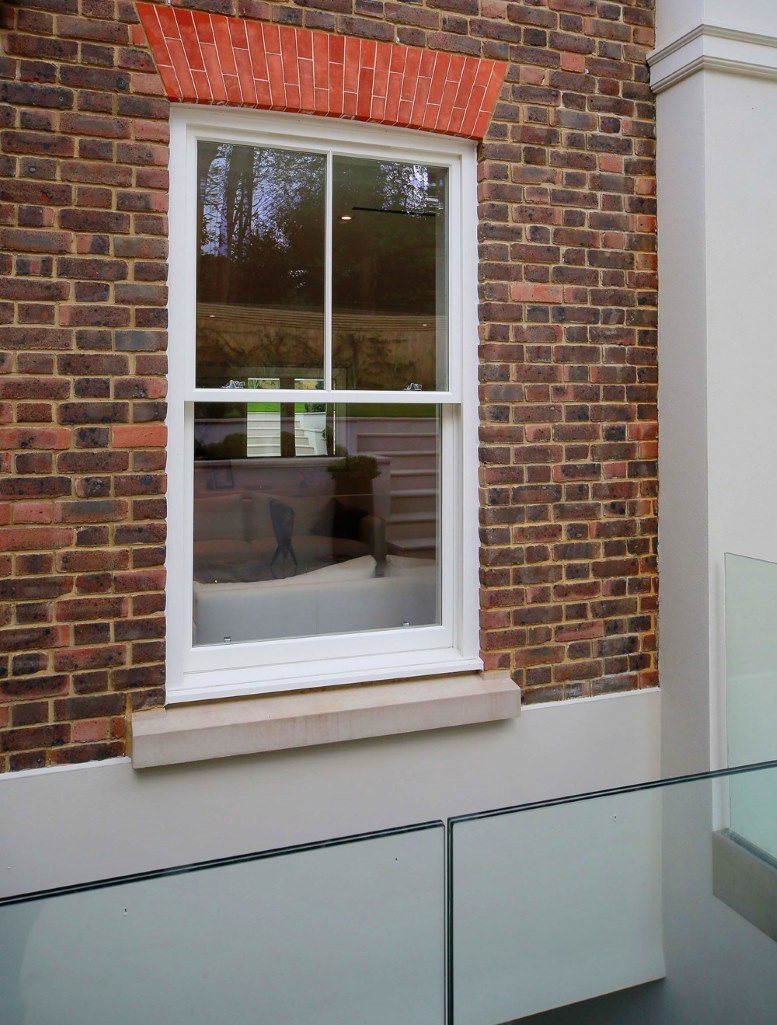
For new builds where cost efficiency matters without compromising on traditional design, spring balance sash windows offer an excellent alternative. Features include:
- Factory double glazed units (4/16/4 toughened glass with low-E coating and argon fill)
- Internally glazed for improved security and easier maintenance
- 1 W/m²K whole window U-value
- Polished chrome key locking catches and lifts
- Three-coat factory-finished spray-applied micro-porous paint in RAL 9010 white (other RAL colours available)
- PAS24:2016 security tested and CE marked to EN 14351-1+A1:2010
Spring sash windows are regularly specified by developers working on new builds where traditional aesthetics are required but build costs need to remain competitive.
Single glazed sash windows
For listed buildings and strict conservation areas where double glazed timber windows aren’t permitted, our single glazed sash windows provide a compliant solution. While these don’t meet current Building Regulations for thermal performance, they satisfy English Heritage and conservation officer requirements. Optional vacuum sealed units can significantly improve thermal performance where planning permission allows.
Wooden casement windows
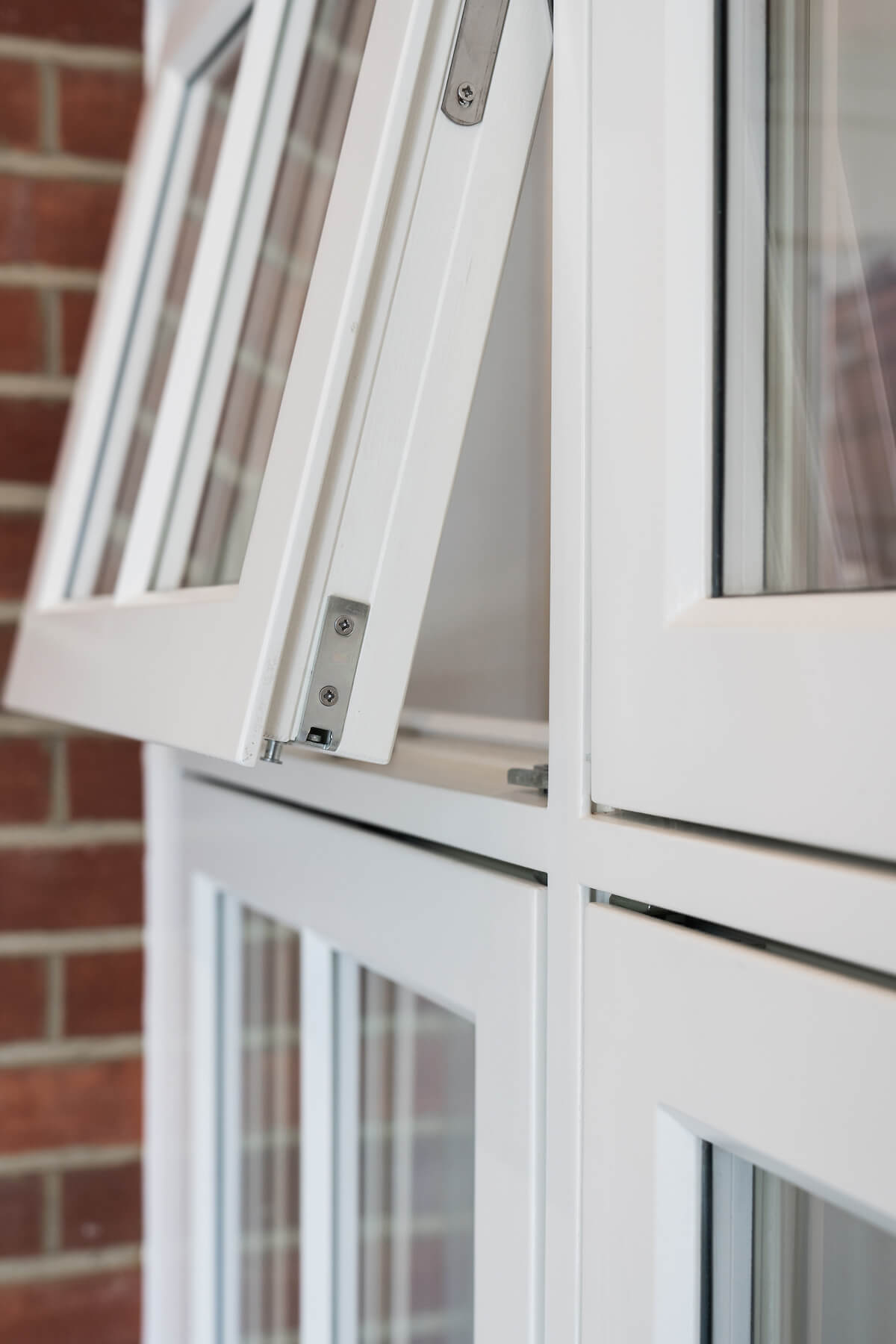
Casement windows offer design flexibility and excellent ventilation. Their side-hinged operation provides maximum ventilation and easy cleaning, making them a practical choice for modern homes and traditional properties alike.
Our flush casement wooden windows feature:
- U-values of 1.2 W/m²K as standard (1.0 W/m²K with optional upgrade)
- Weather testing to BS6375 Part 1 (Class 4 air, Class CE2400 wind, Class 9A water)
- Noise reduction: 36dB standard, up to 42dB with acoustic upgrades
- Internally glazed and fully weather-stripped
- PAS 24:2016 and Part Q security compliance
- Choice of Engineered Redwood, Hardwood, Oak, or Accoya
Wooden casement windows suit various architectural styles, from cottage-style homes with ovolo glazing bars to contemporary projects with slim sightlines and minimal detailing.
Material finishes and customisation
Timber options
We offer multiple types of wood, each selected for specific performance characteristics:
Redwood is our standard timber for most projects. It is cost-effective and stable, ideal for painted finishes. We also offer Meranti, Sapele, Oak and Accoya.
All timber is FSC® or PEFC certified, ensuring responsible sourcing and full traceability.
Colour and finish options
Modern wooden window design allows extensive finish customisation:
- Single colour in any RAL shade
- Dual colour (different internal and external finishes)
- Natural stained options highlighting the wood’s grain
- Farrow & Ball colour matching available
- Metallic finishes for contemporary projects
Factory-applied finishes use micro-porous paint systems that allow the timber to breathe while providing long-lasting protection. This reduces on-site labour and ensures consistent quality.
Glazing options
Glass specification significantly impacts window performance:
- Standard Double Glazing: 4/16/4mm toughened glass with low-E coating and argon fill meets Part L requirements
- Acoustic glazing that reduces noise by up to 42dB
- Laminated security glass to improve resistance to forced entry
- Decorative glass, obscured, patterned, or leaded options for privacy or period authenticity
Conservation areas and planning permission
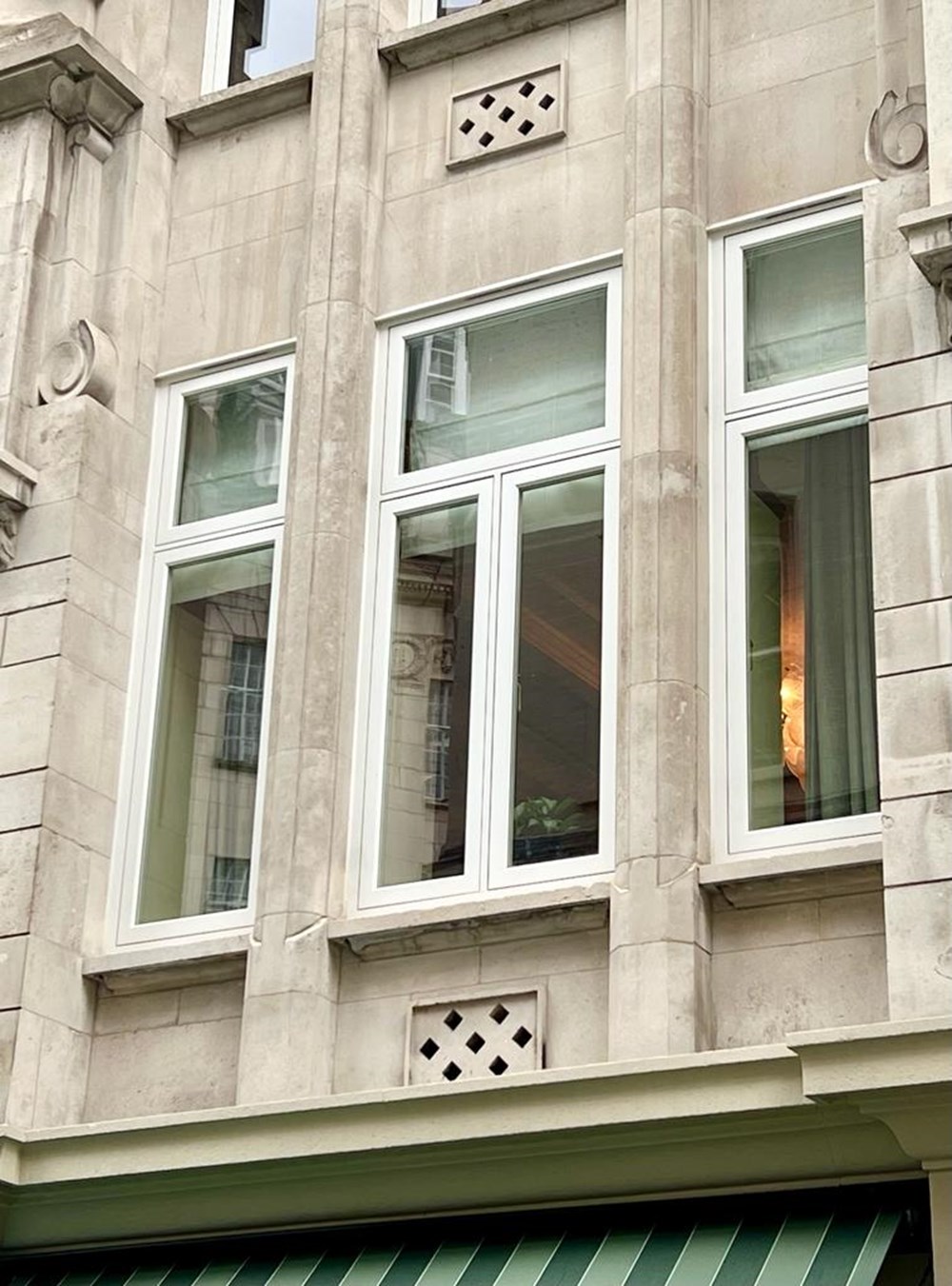
Working in conservation areas requires careful attention to planning requirements. Our timber windows are designed to meet conservation officer expectations while incorporating modern performance standards.
Our made-to-order approach means we can offer ideal solutions for heritage projects:
- Accurate replication of historical profiles and glazing bar widths
- Putty glazing for listed buildings where required
- Slim sightlines and traditional joinery methods
- Documentation and drawings to support planning applications
We regularly work with architects and planning consultants to provide technical information that supports successful applications.
How long do wooden windows last?
Wooden windows can last between 20 to 50 years, depending on factors like maintenance, climate, and quality of materials used. Regular upkeep, such as painting and sealing, enhances their durability. Investing in high-quality wooden window designs like those we offer ensures longevity.
Energy efficiency and building regulations
All our double and triple glazed windows meet Part L Building Regulations for thermal performance. Window Energy Ratings can be provided where required for compliance documentation.
Beyond regulatory compliance, improved energy efficiency reduces running costs—an important selling point for developers and homeowners alike. Lower U-values mean reduced heat loss, smaller heating systems, and decreased carbon emissions.
Design flexibility for modern and traditional projects
Wooden window designs adapt to diverse architectural requirements. For period properties, our windows deliver authentic detailing, slim sightlines, and traditional proportions that satisfy conservation requirements. Contemporary homes can specify clean lines, large glass panes, and a modern look that retains timber’s natural warmth.
Bay windows, picture windows with unobstructed views, and sliding windows all benefit from timber’s versatility. The material’s workability allows for complex configurations and bespoke sizing that would be difficult or impossible with alternative materials.
Maintenance and longevity
Timber windows require regular maintenance, but modern finishes and quality materials significantly reduce this burden. Factory-applied micro-porous paint systems typically need recoating every 8-10 years, depending on exposure.
Inspect for signs of damage annually—check seals, hinges, and paint finish. Address any issues promptly to prevent water damage and ensure long-term performance.
Choosing quality timber from the outset reduces maintenance demands. Accoya, for example, offers exceptional stability and doesn’t require the same frequency of repainting as standard softwoods.
Find your perfect wooden window design: contact Lomax + Wood today
Selecting the right wooden window designs requires balancing aesthetics, performance, and budget. Our team has extensive experience supporting architects, developers, and housebuilders with technical advice, performance data, and design solutions.
Get in touch today to discuss your requirements:
Complete our online contact form, or call us directly on 01277 353857. We’ll provide a free, no-obligation quotation and expert guidance to help you specify the ideal timber windows for your project.