Bespoke Wooden Windows: From Architectural Concept To Installation
- 27 March 2026|
- News
From first sketch to final fitting, here’s how Lomax + Wood works alongside architects, developers and builders to deliver custom timber windows that perform as beautifully as they look.
Why bespoke matters
Off-the-shelf window options rarely tell the full story of a building. Whether you’re restoring a Georgian townhouse, specifying for a contemporary new build, or working on a sensitive project in a conservation area, standard sizes simply don’t cut it.
Bespoke wooden windows offer something different: a product designed around the architecture, not the other way around.
At Lomax + Wood, we’ve spent years working closely with architects, developers, and installers to create custom timber windows that meet precise design briefs. From early-stage design input through to manufacturing and installation, our process is built around collaboration.
This article walks through exactly how that process works — and why more specifiers are choosing quality timber windows over aluminium windows or uPVC windows.
A full range of timber windows, built to your brief
Before diving into the process, it’s worth understanding the breadth of what’s available.
Lomax + Wood manufactures a wide range of wooden windows, including:
- Wooden casement windows — both traditional and flush casement windows
- Timber box sash windows — ideal for period properties and heritage schemes
- Spring balance sash windows — a cost-effective solution for new builds
- Traditional single glazed sash windows — designed specifically for listed buildings and conservation areas
Each window type can be manufactured in virtually any size or configuration. Whether you need a narrow hardwood casement for a cottage renovation or oversized wooden sash windows for a prestige development, we work to your specifications.
All windows are made using responsibly sourced FSC® or PEFC certified timber including Engineered Redwood, Hardwood, Oak or Accoya, with custom sizing and various colour finishes available.
Each product is made to order, allowing us to meet specific architectural requirements while incorporating practical features such as secure locking systems, durable finishes, and appropriate glazing options to improve comfort and efficiency.
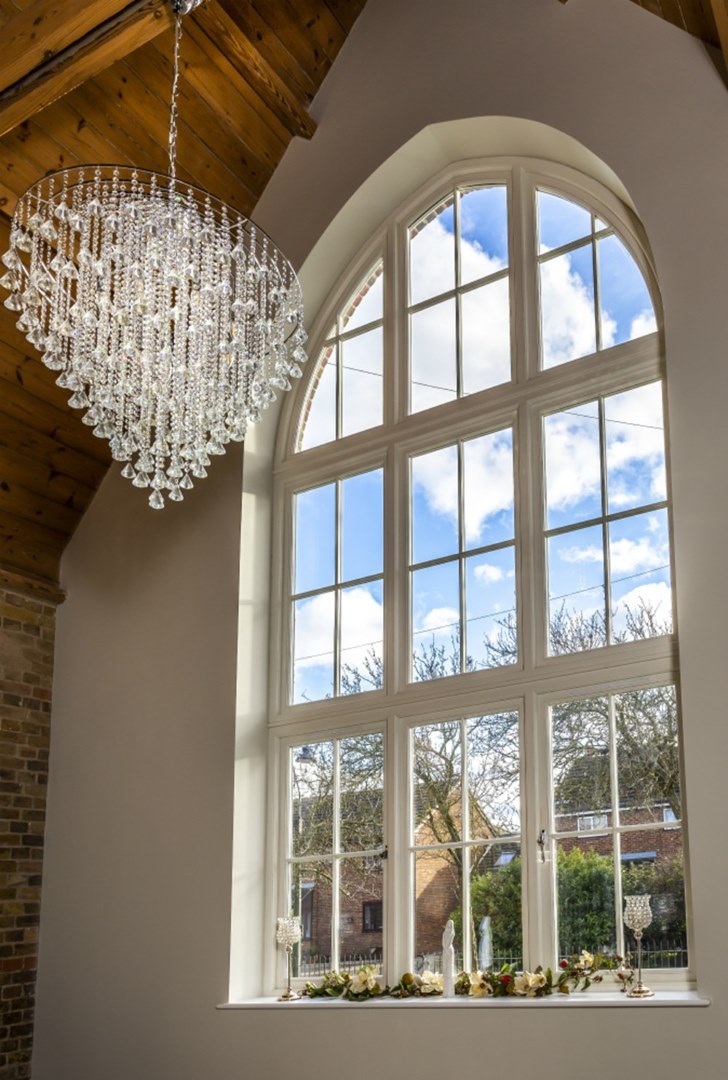
Stage 1: Early design input and technical guidance
Good window specification starts early.
At Lomax + Wood, we welcome early engagement from architects and project teams. This allows us to contribute meaningfully to the design, flagging potential technical constraints and advising on the most appropriate window options before drawings are finalised.
We provide:
- Technical guidance on timber species, profiles, and glazing options
- CAD drawings to support planning applications and detailed design
- U-value calculations and performance data to assist with Part L compliance
- Advice on conservation area requirements and listed building specifications
This collaborative approach means fewer surprises at tender stage – and a finished product that genuinely reflects the architectural intent.
Working with heritage and modern projects
Our range covers both ends of the design spectrum.
For heritage projects, our wooden sash windows and box sash windows are designed to replicate authentic period detailing. Single glazed sash windows, putty glazed and traditionally finished, are available where English Heritage or conservation officers require it.
For contemporary schemes, our flush casement windows and aluminium-clad timber windows deliver clean lines and modern performance without sacrificing the warmth of natural wood.
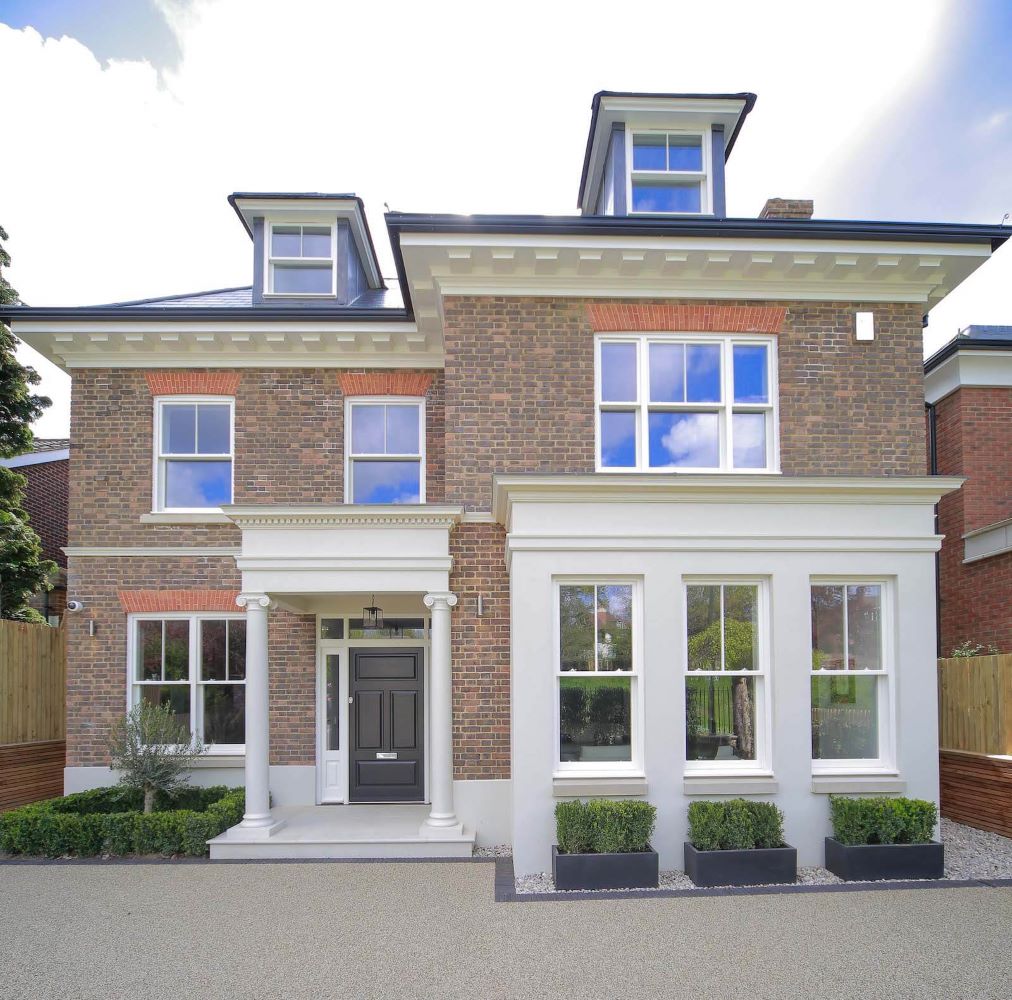
Stage 2: Specification and customisation
Once the design direction is confirmed, the detailed specification process begins.
Timber options
We offer a range of types of wood suited to different project demands:
- Engineered Redwood – a cost-effective and durable option for most projects
- Engineered Oak – a premium hardwood with excellent longevity
- Accoya – a modified timber with outstanding resistance to rot, decay, and moisture, offering exceptional durability in challenging environments including coastal locations
- Engineered Hardwood – suitable for projects requiring enhanced performance
Unlike synthetic materials such as uPVC, timber is a natural insulator, which helps reduce heat loss and supports energy efficiency across the building fabric. Wooden frames also age gracefully and can be refinished repeatedly, offering a lifespan that uPVC windows and many aluminium windows simply cannot match.
Glazing options
Glazing choice has a significant impact on energy bills, acoustic comfort, and overall performance.
We offer:
- Double glazing as standard (4/16/4 low-e argon fill)
- Triple glazing for projects requiring maximum thermal performance
- Acoustic glass – reducing noise by up to 42dB, ideal for urban locations
- Laminated glass for enhanced security
- Vacuum sealed units for single glazed sash windows in listed buildings
Our standard specification achieves a U-value of 1.2 W/m²K, with an upgrade option reaching 1.0 W/m²K for casement windows – helping to minimise heat loss and reduce energy costs for the homeowner.
Colour and finish
Our bespoke wooden windows are available in a wide range of finishes, including single colour, dual colour, and natural stained options. We can match virtually any RAL colour, as well as Farrow & Ball references, to suit the project palette.
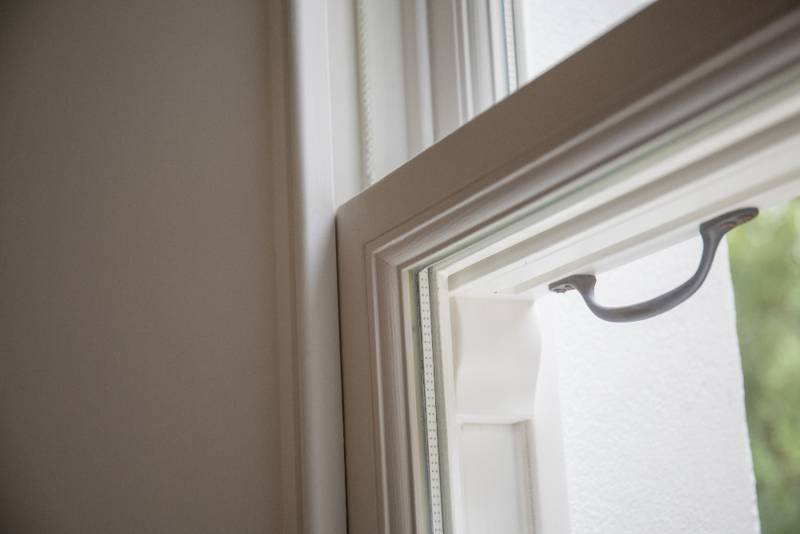
Stage 3: Manufacturing
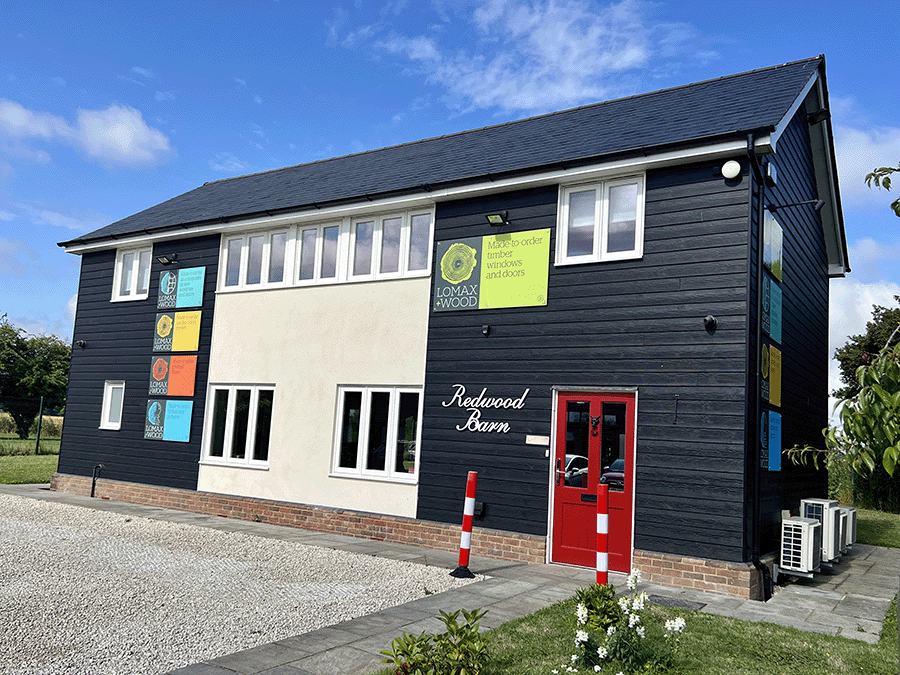
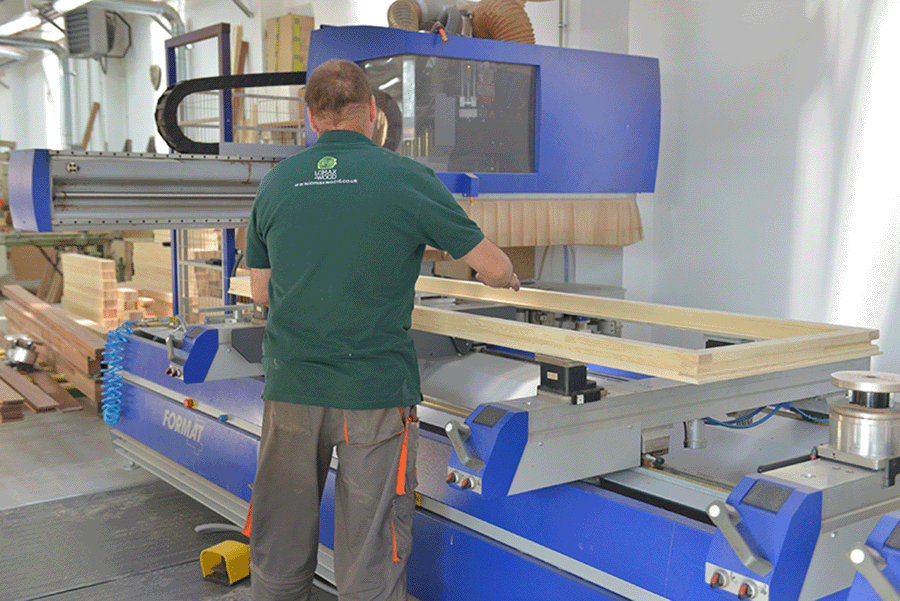
Every window we produce is made to order at our Essex facility, with delivery across the UK.
Our manufacturing process is underpinned by rigorous quality control. Products are tested to BS6375 Part 1 for air, wind, and water performance, and our casement windows and sash windows are PAS 24 (2016) and Part Q compliant – providing peace of mind on security.
Lead times for timber box sash windows are typically 6–8 weeks from order confirmation, though this may vary depending on project complexity and volume.
Stage 4: Supply and installation
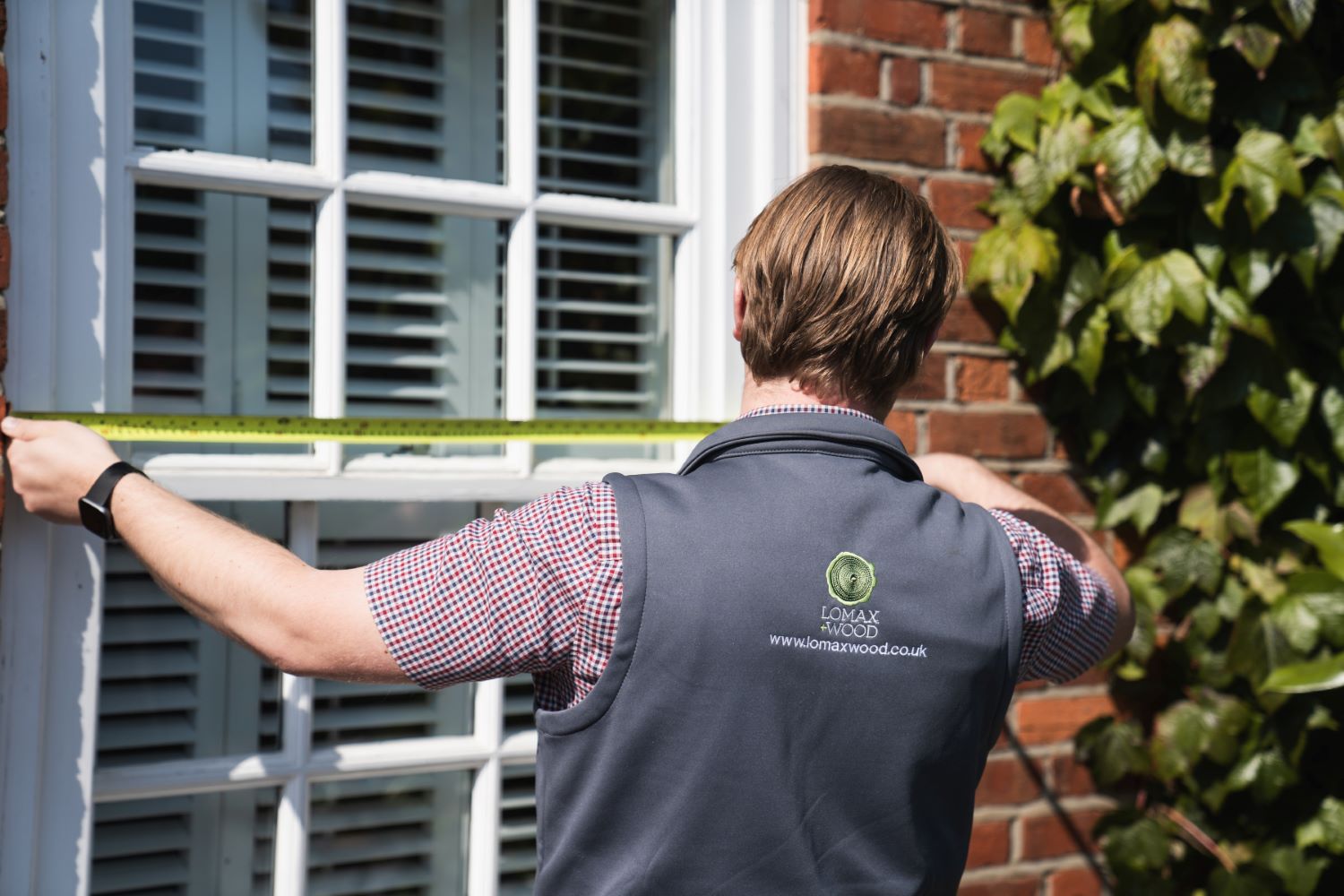
Lomax + Wood offers a full design, supply and fit service – meaning there is a single point of contact throughout the project.
This is particularly valuable on complex schemes where coordination between trades can slow progress. Our installation teams are experienced across a wide range of project types, from sensitive renovations in conservation areas to large-scale new builds.
For developers and housebuilders looking for competitive build costs, our spring balance sash windows offer an economical solution without compromising on aesthetic appeal or historical accuracy.
Why specify timber over uPVC or aluminium?
It’s a question that comes up regularly, so here’s a straightforward answer.
Timber is a natural insulator, which means wooden frames help reduce heat loss and support energy efficiency in a way that aluminium windows – without a thermal break – simply cannot. Unlike uPVC windows, timber can be repainted and refinished repeatedly, meaning the aesthetic appeal of wooden window frames is not fixed at the point of manufacture. Colour, finish, and profile can all be updated over the life of the building.
When it comes to longevity, well-maintained timber windows can last well over 60 years. uPVC windows typically have a lifespan of 20–30 years, and aluminium windows around 30–40 years. With minimal maintenance (repainting or re-staining every five to seven years) bespoke wooden windows offer a return on investment that synthetic materials struggle to match.
Sustainability
Timber also has strong sustainability credentials. Unlike synthetic materials, it is a renewable resource, and when sourced with full Chain of Custody certification, it offers complete traceability from forest to finished product. For projects in conservation areas or involving listed buildings, timber remains the material of choice – and in many cases, the only acceptable one.
Performance at a glance
For architects preparing specifications, here are the headline performance figures for our core ranges:
- U-value: From 1.0 W/m²K (casement) to 1.1 W/m²K (sash)
- Noise reduction: 36dB (standard) | 38dB (acoustic) | 42dB (acoustic+)
- Security: PAS 24 (2016), Part Q compliant
- Weather performance: BS6375 Part 1 – Class 4 air, CE2400 wind, Class 9A water (casement)
- Sustainability: FSC® and PEFC Chain of Custody certified
Frequently asked questions
Can you produce CAD drawings for planning applications?
Yes. We provide full technical drawings to support the planning and design process.
Are your windows suitable for conservation areas?
Yes. We have extensive experience supplying timber windows to conservation areas and listed buildings, including single glazed sash windows that meet English Heritage requirements.
Can you accommodate non-standard sizes?
Absolutely. All of our products are made to order, so there are no standard sizes we’re tied to.
Do you offer triple glazing?
Yes. Triple glazing is available across our range for projects requiring maximum thermal performance.
What’s the difference between box sash and spring balance sash windows?
Box sash windows use a traditional weighted pulley system and are typically specified for heritage projects. Spring balance sash windows use a spring mechanism, offering a more economical alternative often used in new builds.
Ready to discuss your project? Contact us today for bespoke wooden windows for your project
Whether you’re an architect working up a detailed specification, a developer planning a new build, or a homeowner embarking on a renovation, the team at Lomax + Wood is here to help.
With years of experience designing and manufacturing bespoke wooden windows for projects of all scales and styles, we’re well placed to support your project from concept through to completion.
Get in touch today. Complete our online contact form, or call us on 01277 353857.
We’d be delighted to provide a free, no-obligation quote or discuss your timber window requirements in more detail.