Reinterpreting Classical Proportions For Today’s Homes with Modern Georgian Windows
- 13 April 2026|
- News
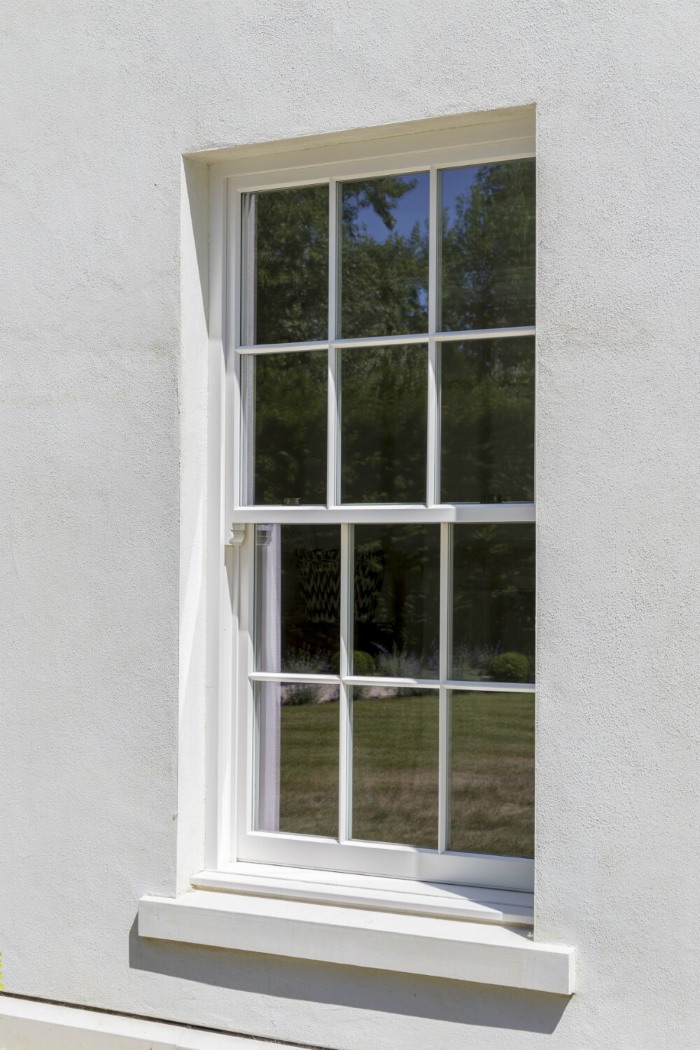
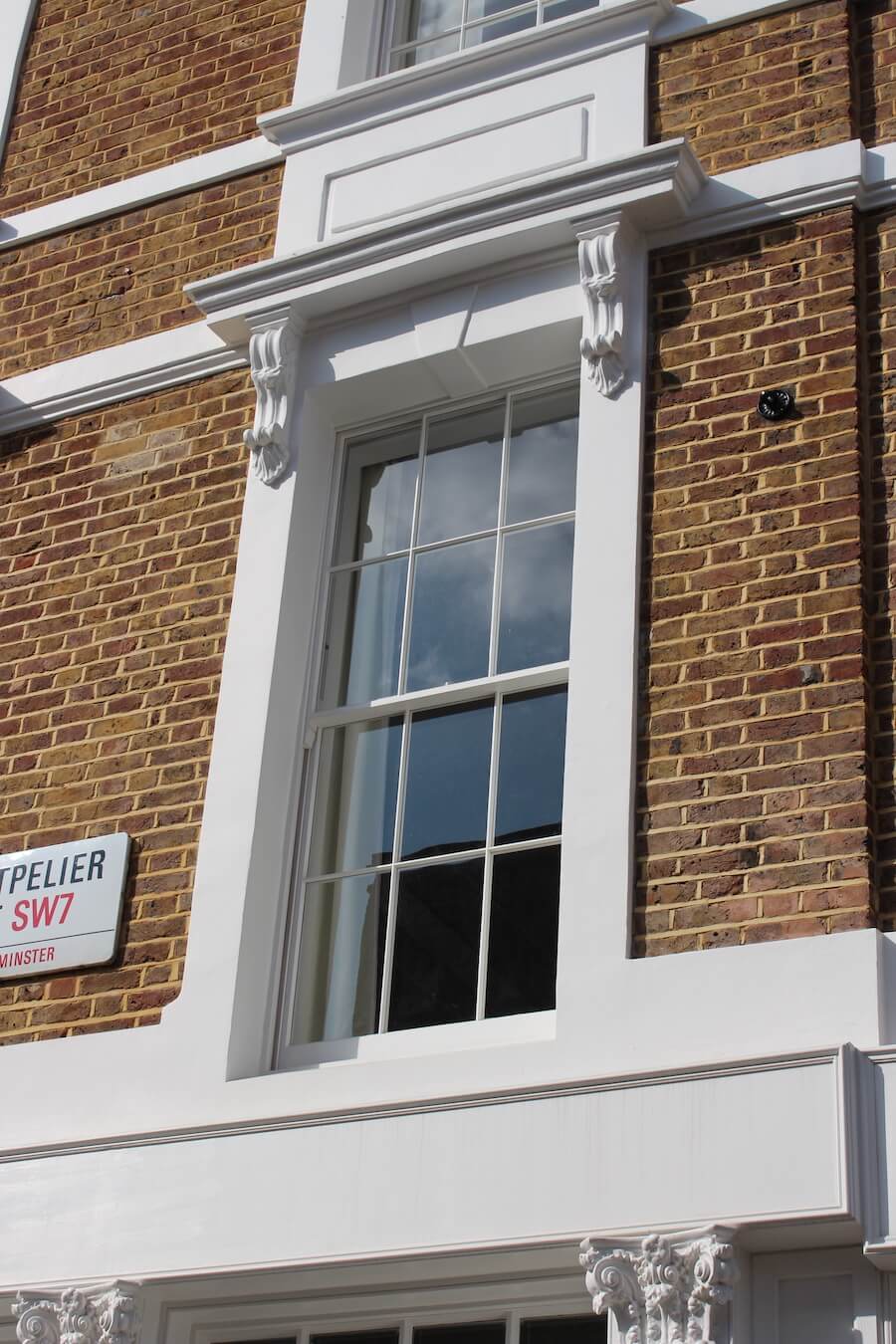
Georgian windows are defined by symmetry, classic proportions and smaller panes of glass divided by glazing bars.
Today, architects, developers and housebuilders can achieve that traditional appearance using modern materials, without sacrificing energy efficiency or security.
At Lomax + Wood, our range of made-to-order timber sash windows and casement windows delivers authentic Georgian style with contemporary performance built in.
Why Georgian window design still matters
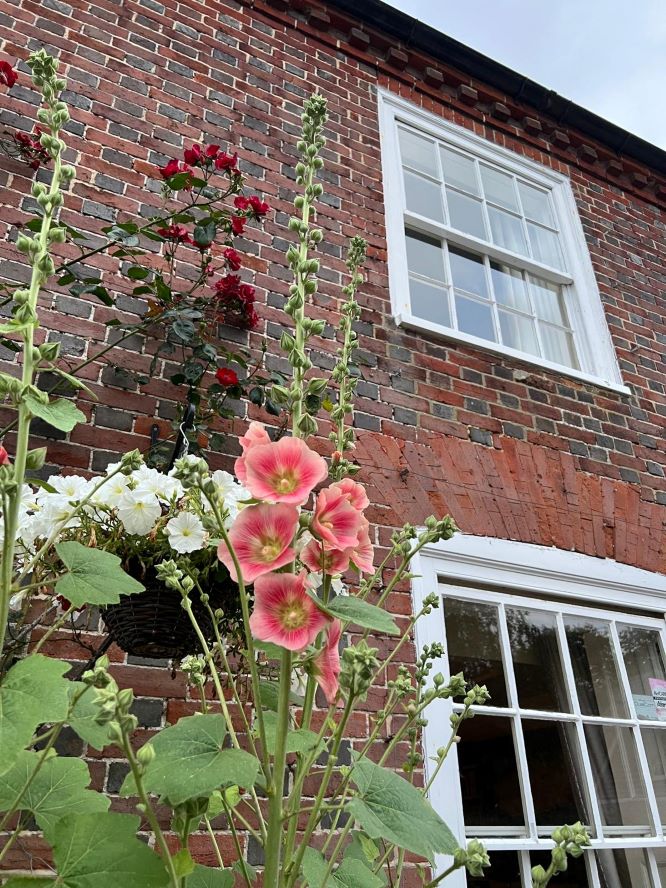
There is a reason Georgian architecture has never really gone out of fashion. Developed across the 18th century and into the 19th century, the Georgian period produced buildings defined by order, restraint and balance. The windows were central to that aesthetic. Large windows, symmetrical design, and individual panes of glass divided by slender glazing bars created façades that were both elegant and rigorously proportioned.
Fast forward to today, and modern Georgian windows are one of the most requested window styles across new builds, sensitive renovations and period property restorations. For architects and developers, the challenge is delivering that classic Georgian look while meeting current building regulations for thermal efficiency, acoustic performance and security.
The good news is that this is entirely achievable. With the right specification, modern Georgian style windows can perform as well as any contemporary product while remaining visually faithful to the original.
What makes a window truly Georgian?
Before specifying modern Georgian windows, it helps to understand what defines the style in the first place.
Georgian window design is characterised by:
Symmetrical design: Windows were arranged in regular, balanced rows across the façade
Smaller panes of glass: The technology of the Georgian era could not produce large panes, so windows were divided into a grid pattern of smaller individual panes
Glazing bars and astragal bars: Slender timber bars, known as Georgian bars or Georgian astragal bars, divided the glazing unit into the characteristic grid of glass panes
Vertical emphasis: Sliding sash windows were the dominant window style of the Georgian period, reinforcing the proportional verticality of the façade
Timber frames: Traditional timber windows were the standard of the era, with window frames carefully detailed and painted
These principles translate directly into today’s specifications. Whether you are working on a listed building, a conservation area development, or a new build where Georgian character is desired, the same rules of proportion apply.
The case for timber over uPVC
It is worth addressing uPVC windows directly. uPVC frames and uPVC windows are widely available and relatively low in cost. However, for Georgian style windows on period properties or sensitive new builds, uPVC frames rarely achieve the fine sight lines and authentic detailing that Georgian architecture demands.
Traditional timber windows allow for slender astragal bars, crisp moulding profiles and the kind of visual depth that defines genuine Georgian window frames. Wood has a warmth and materiality that uPVC simply cannot replicate.
For heritage windows or projects in conservation areas, planning officers will typically require traditional timber windows. But even on new builds where there is no planning constraint, architects and developers increasingly specify timber for quality and character.
Sash windows: the epitome of Georgian design
The sliding sash window is the defining window style of the Georgian era. It remains the most authentic choice for any project where Georgian character is the goal.
At Lomax + Wood, our sash window range includes three distinct products:
Timber box sash windows
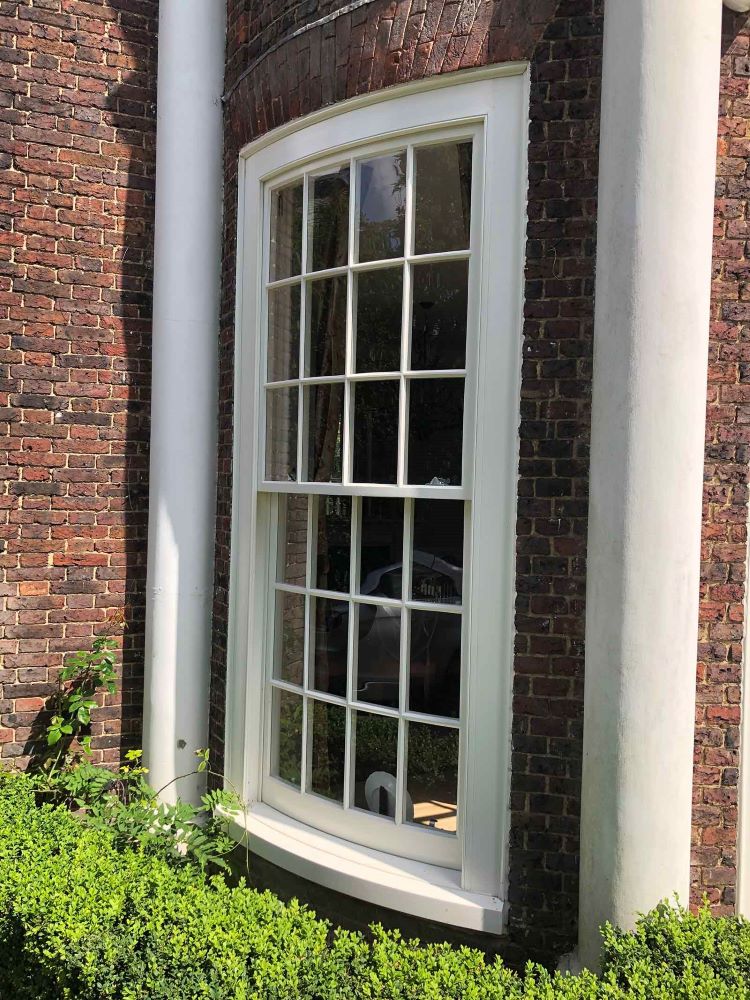
The timber box sash window is the traditional, heritage specification. Weights and pulleys are concealed within the box frame, producing the authentic slim sight lines associated with traditional Georgian windows. These are the preferred choice for listed buildings, conservation areas and high-specification residential projects where nothing less than the original construction method will do.
Weather performance is strong, with weather testing to BS6375 Part 1 achieving Class 4 for air, Class C5 for wind and Class 7A for water. U-values can be achieved as low as 1.1, with acoustic glass options delivering noise reduction of up to 42dB.
Spring balance sash windows
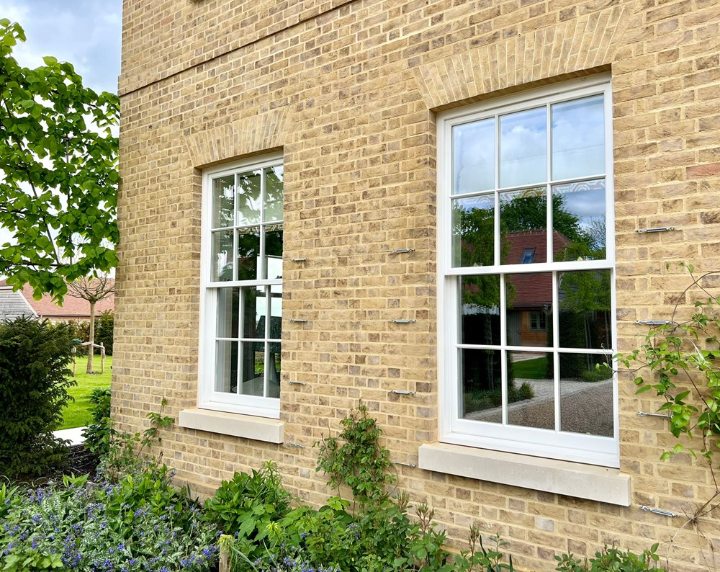
The spring balanced sash window offers a more economical solution, often used in new builds where a flush reveal has been detailed. Factory double glazed as standard, fully weather-stripped and supplied factory finished. Developers regularly incorporate spring balanced sash windows where build costs need to be competitive but the end result still needs to be historically accurate.
Standard specification includes a 1.1 W/m²K whole window U-value, PAS24:2016 security testing, and CE marking to EN 14351-1+A1:2010.

Single glazed sash windows for listed buildings
Where a property is listed or local restrictions prevent the use of double glazing, Lomax + Wood can supply single glazed sash windows putty glazed in the traditional manner. These meet English Heritage and conservation officer requirements. Vacuum sealed unit options are also available to maximise thermal performance within a single glazed format.
Casement windows with Georgian detailing
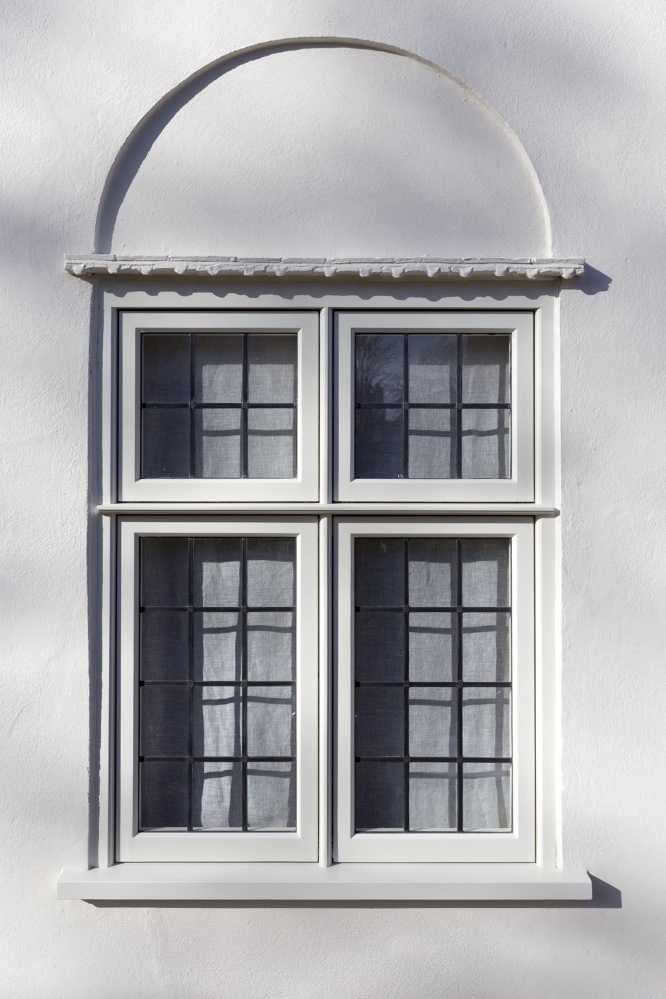
Not every project suits a sash window. For some new builds or contemporary homes where Georgian character is wanted without strict historical accuracy, a casement window with Georgian bars can deliver a similar aesthetic.
Our wooden casement windows are available with Georgian astragal bars, allowing the characteristic grid pattern of smaller panes to be applied to a casement format. The result is a modern window with traditional charm.
Casement window performance specifications include a U-value of 1.2 as standard with an optional upgrade to 1.0, noise reduction up to 42dB, and weather testing achieving Class 4 for air, Class CE2400 for wind and Class 9A for water. All products are PAS24:2016 and Part Q compliant.
Achieving the Georgian look: customisation options
One of the best things about working with Lomax + Wood is the level of customisation available. Georgian style windows are not a one-size-fits-all product. Proportions, bar profiles and finish all need to align with the specific project.
Key customisation options include:
Georgian bars and astragal bars
Specify bar width, profile and glazing bar arrangement to suit the desired grid pattern and pane proportions
Colour and finish
Available in any RAL colour, dual colour inside and out, or natural stained finish
Timber species
Choose from Engineered Redwood, Engineered Hardwood, Engineered Oak or Accoya
Glazing options
Double glazing as standard, with triple glazing, acoustic glass and laminated security glass available
Ironmongery
Period-appropriate hardware in polished chrome, satin chrome, brass and other finishes
Planning and conservation: what to expect
For projects in conservation areas or involving listed buildings, the quality of the windows and their authenticity will be scrutinised. Conservation officers generally expect timber windows with profiles that match the originals. Slim glazing bars, appropriate pane proportions and painted finishes are typically required.
Lomax + Wood has years of experience supplying heritage windows for exactly these contexts. The team can advise on appropriate specifications at the design stage, reducing the risk of planning complications later.
FAQs: modern Georgian windows
Can Georgian bars be applied to double glazed units?
Yes. Astragal bars can be applied to the face of a double glazed unit, or true glazing bars can be used to divide individual panes within the frame. True bars give a more authentic result and are typically required in conservation areas.
Are timber Georgian windows suitable for new builds?
Absolutely. Spring balanced sash windows and timber casement windows with Georgian detailing are a popular choice for new builds where developers want Georgian character with competitive build costs.
What is the difference between Georgian bars and astragal bars?
Georgian bars divide the glazing unit into separate smaller panes of glass within the frame. Astragal bars are applied to the surface of a larger pane to give the appearance of individual panes. For heritage projects, true Georgian bars are usually preferred.
Do modern Georgian windows meet Part L?
Yes. Lomax + Wood’s products are designed to meet current building regulations, including Part L thermal requirements and Part Q security standards.
Talk to Lomax + Wood about your project today
Whether you are an architect detailing a sensitive conservation project, a developer specifying new windows for a Georgian-inspired new build, or a homeowner looking to restore period properties with historically accurate windows, Lomax + Wood can help.
With decades of experience in traditional timber windows, the team understands how to balance authentic Georgian design with the performance standards that modern projects demand.
Get in touch to request a free quote or discuss your requirements: Fill in our online contact form, or call us on 01277 353857.