Door Design in Wood: Considerations For High-End Residential Projects
- 27 March 2026|
- News
A front door is more than a point of entry. It sets the tone for an entire building. It communicates intent, style, and quality before anyone steps inside.
Yet door design in wood is often treated as an afterthought — selected from a catalogue rather than considered as part of a building’s overall architectural language.
For architects, developers, and housebuilders working on high-end residential projects, the exterior doors deserve the same design rigour as the façade, the fenestration, and the interior detailing. A well-designed wooden door becomes a striking focal point. A poorly considered one undermines everything around it.
This article examines the key design considerations that distinguish a truly considered timber door from a generic one.
Proportion: the foundation of good door design
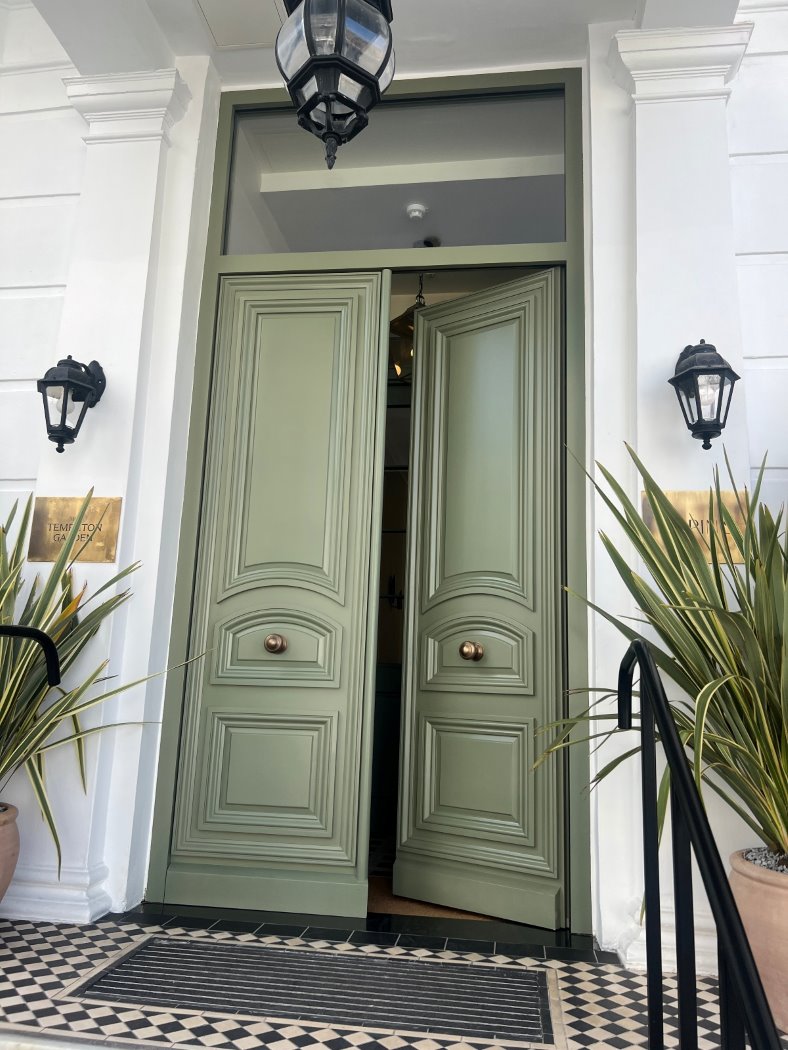
Proportion is where good door designs begin. The relationship between a door’s height, width, and the surrounding openings determines whether an entryway feels balanced or awkward.
Key proportional considerations include:
Height-to-width ratio — Traditional Georgian and Victorian doors typically follow ratios close to 2:1. Contemporary design may push taller, narrower proportions for a more dramatic effect.
Relationship to adjacent windows — Head heights should align with neighbouring window openings where possible, creating visual coherence across the façade.
Scale relative to the building — A double door arrangement suits a grand frontage. A single wooden door with carefully proportioned sidelights may better suit a more modest elevation without sacrificing presence.
Threshold and cill detailing — The transition from exterior to interior affects both visual weight and practical performance.
For architects specifying entry door solutions, these proportional decisions should be resolved at the elevation design stage, not delegated to a door schedule completed weeks later.
Panel layouts and solid timber detailing
The panel layout of a solid wood door is its most defining visual characteristic. It carries stylistic associations, creates shadow lines, and establishes rhythm.
Traditional panel arrangements
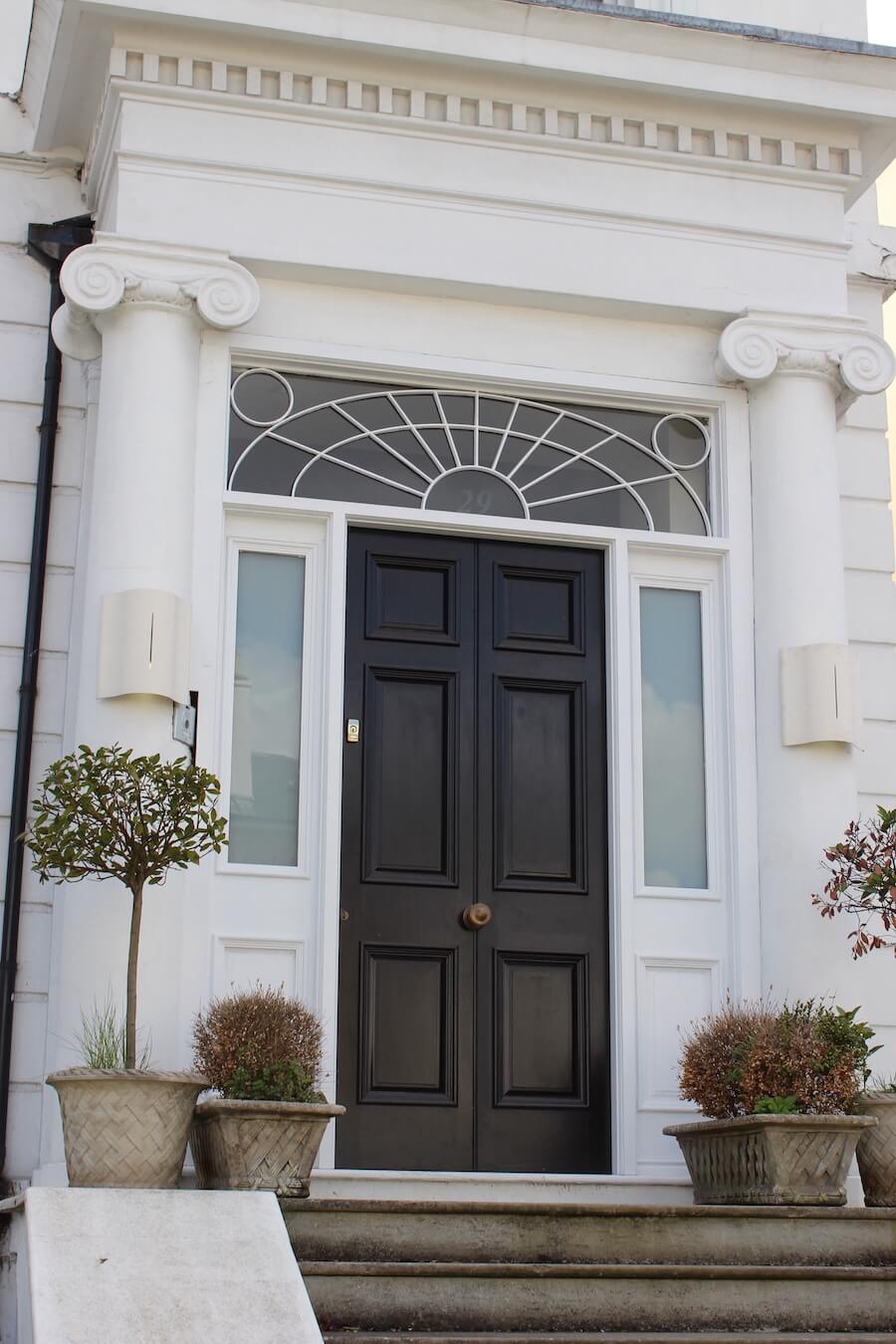
Classical door designs — four-panel, six-panel, and raised and fielded configurations — remain a popular choice for period properties, conservation areas, and heritage-sensitive schemes. These intricate details reference centuries of joinery tradition.
The depth and profile of panel mouldings matter enormously. A shallow, flat panel reads very differently from a deeply fielded one. Ovolo, ogee, and bolection mouldings each carry distinct period associations.
Contemporary approaches
Modern doors often favour simplicity and clean lines. Flush panel designs, horizontal boarding effects, and asymmetric glazing arrangements create a contemporary look that suits modern home projects.
Pivot doors — where the door rotates on a central or offset axis rather than conventional hinges — have become increasingly specified for high-end residential schemes. They create a dramatic sense of arrival and work particularly well with generous ceiling heights.
The choice between traditional and contemporary is not binary. Many successful projects blend heritage proportions with modern detailing, achieving elegance.
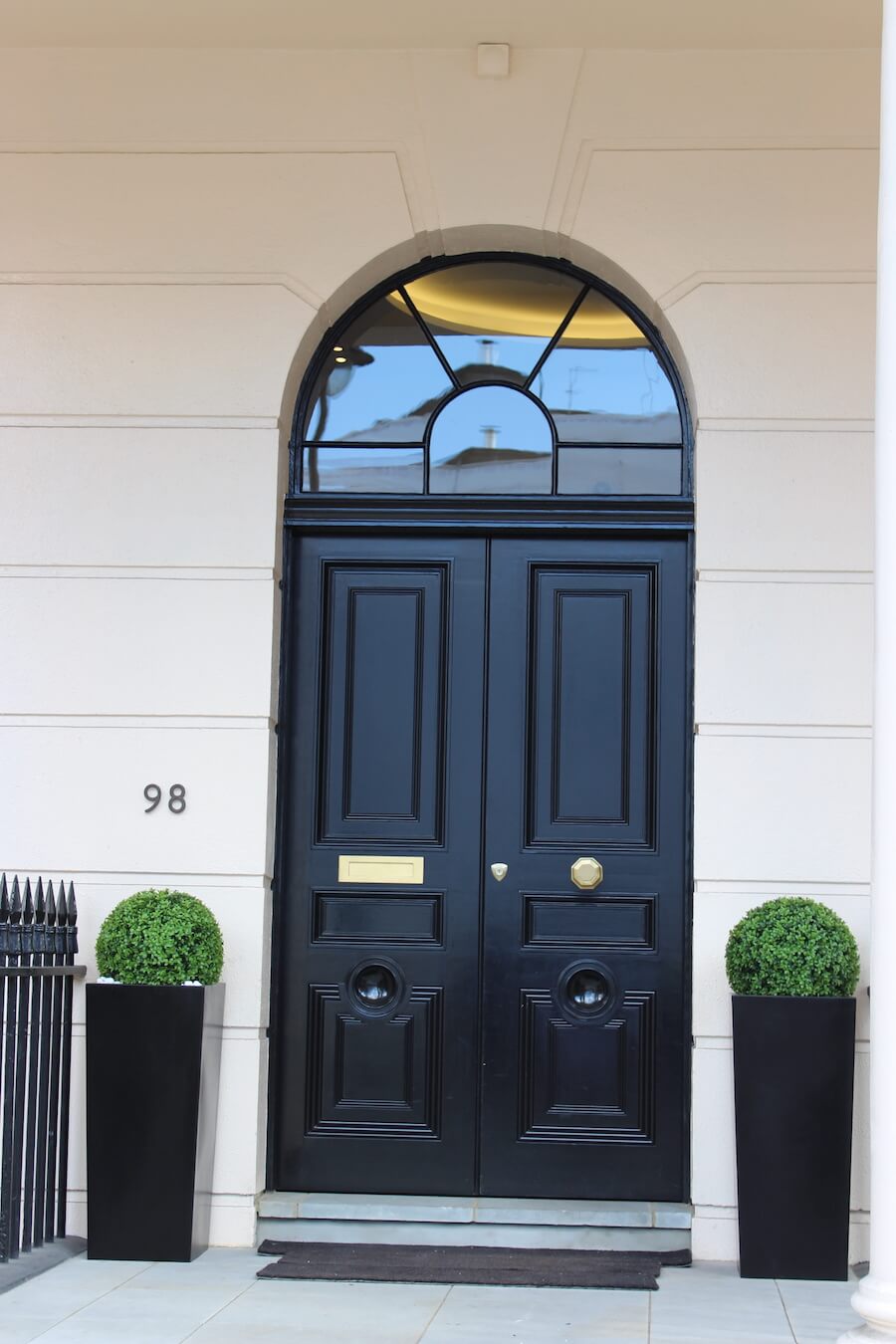
Glazing: balancing natural light, privacy, and performance
Glazing transforms a wooden door from a solid barrier into something more nuanced. The decision about where, how much, and what type of glass to incorporate is critical.
Design considerations for glass panels
Fanlights — A fanlight above the door adds height to the composition and introduces natural light into hallways without compromising privacy or security at eye level.
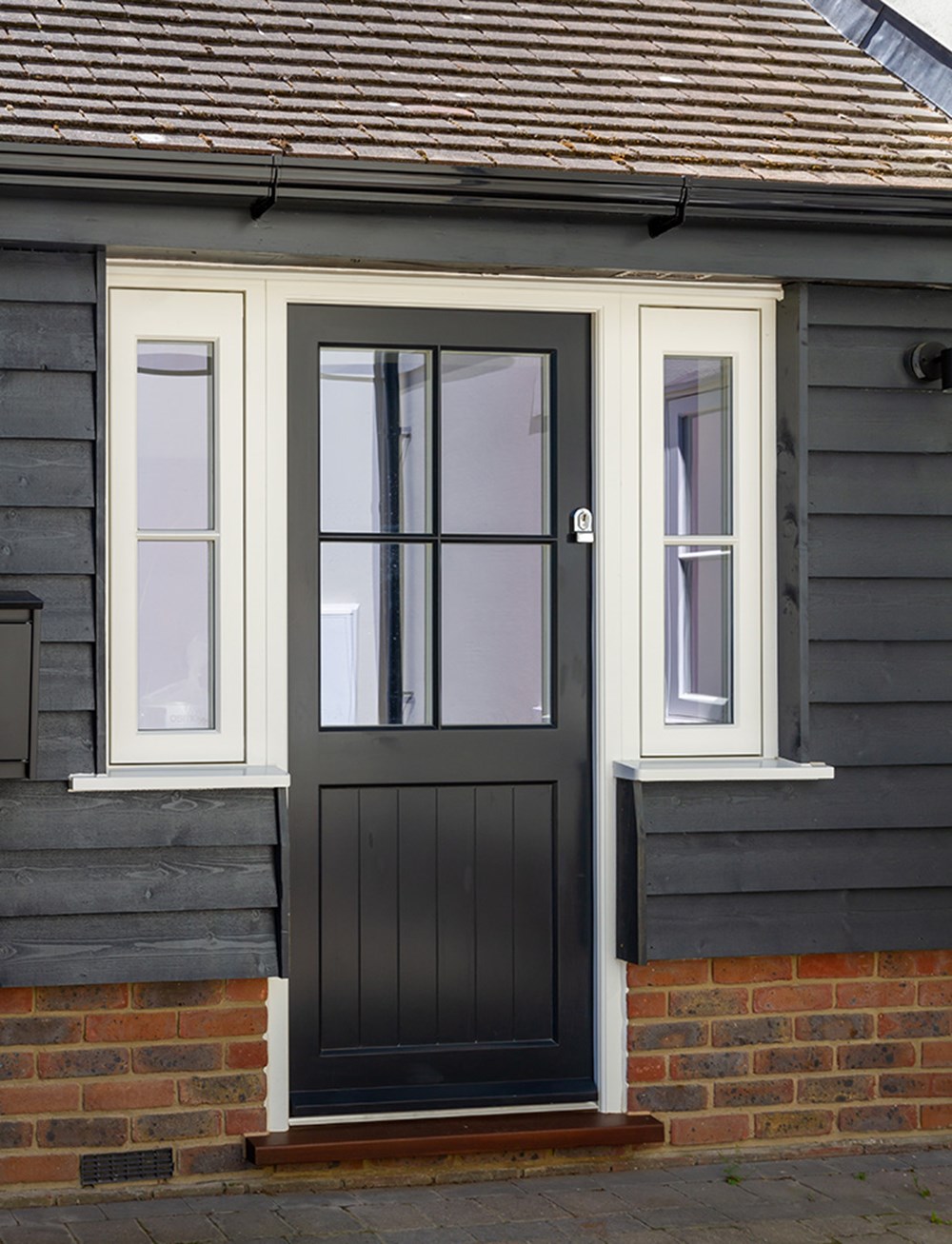
Sidelights — Flanking glass panels widen the visual opening and flood the entryway with light. They work particularly well with single doors where a double door arrangement would be disproportionate.
Vision panels within the door leaf — Glass accents integrated into the door itself range from small apertures to full-height glazed sections. The proportions and positions should respond to the overall panel layout.
Obscured and decorative glass — For privacy-sensitive applications, textured or patterned glass offers an alternative to clear glazing.
Performance Requirements
For high-end residential projects, glazing must deliver more than aesthetics. Double glazed units with Low-E coatings and argon fill are now standard for meeting Part L of the Building Regulations. Acoustic glass options address noise transmission in urban settings.
Internally glazed configurations also improve security — an important consideration for modern front door specifications.
Material selection: why timber remains a timeless choice
Among natural materials available for exterior doors, timber stands apart. Its warmth, workability, and durability make it a timeless choice for residential projects across every architectural style.
Hardwood vs softwood
Hardwood species — including mahogany, oak, and Accoya — offer superior durability and dimensional stability. They accept finishes beautifully and age gracefully.
Softwood options, such as engineered Redwood, provide excellent performance at a different price point and can be finished to an equally high standard.
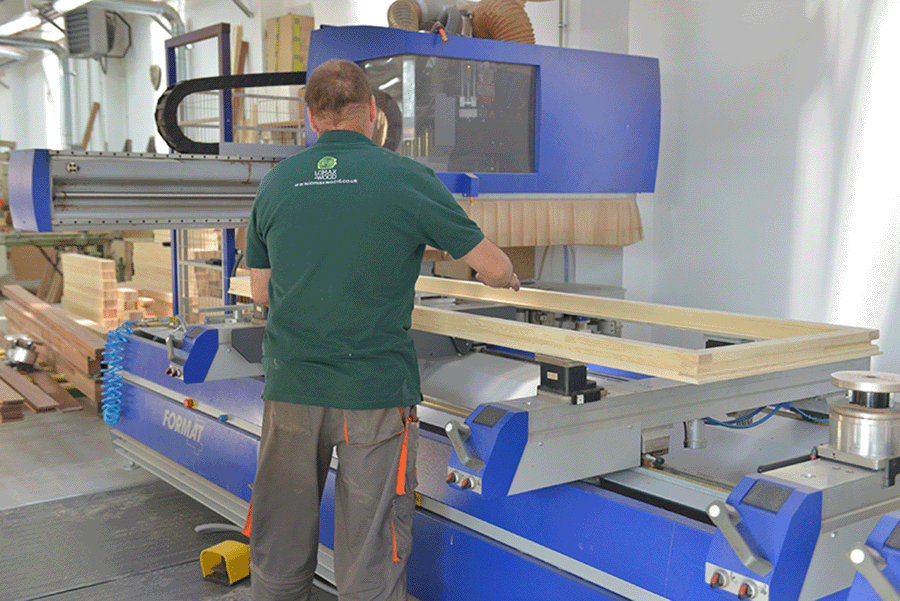
The key distinction from materials like plywood or solid core wood doors from volume manufacturers is precision. Made-to-order timber doors are machined and assembled to exact specifications, ensuring perfect fit and long-term performance.
Sustainability credentials
At Lomax + Wood, environmental responsibility is central to our manufacturing philosophy. We source all timber used in our bespoke windows and doors with full Chain of Custody certification (FSC® or PEFC), ensuring complete traceability throughout the entire supply chain, from the forest to the finished product.
Timber combined with other materials
For projects demanding a contemporary look, timber can be combined with innovative materials. Aluminium cladding on the exterior face delivers weather resistance and clean lines while retaining the warmth of timber internally. Stainless steel hardware and fittings complement both traditional and modern design approaches.
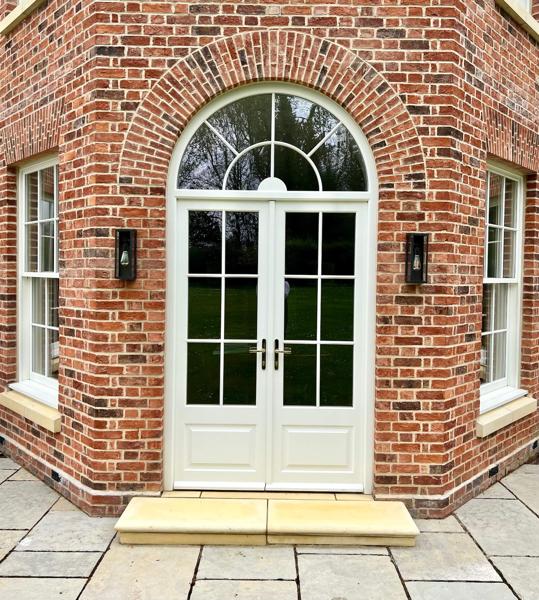
Stylistic influences: reading the building
The most successful door designs respond to their context. A few guiding principles for architects and homeowners:
Conservation and listed buildings — Door design should reference the building’s period without resorting to reproduction. Accurate proportions and authentic detailing matter more than decorative excess.
Contemporary homes — Minimalist profiles, flush thresholds, and generous glazing suit modern design. Functionality and simplicity should drive the design.
Transitional projects — Extensions, refurbishments, and conversions often require doors that bridge two architectural languages. Timber’s versatility makes it ideal for these situations.
For developers working across multiple plots, establishing a coherent door design strategy creates curb appeal and reinforces the quality of the overall scheme.
Lomax + Wood: bespoke timber doors for high-end projects
At Lomax + Wood, we design and manufacture made-to-order timber doors for architects, developers, and homeowners working on high-end residential projects across the UK.
Our range includes:
Timber entrance doors — Single and double doors with optional fanlights and sidelights, available in hardwood or softwood with a wide range of finishes and hardware.
French doors — Outward or inward opening, with espagnolette locking and mortice deadlock as standard. Whole product U-values from 1.4 W/m²K.
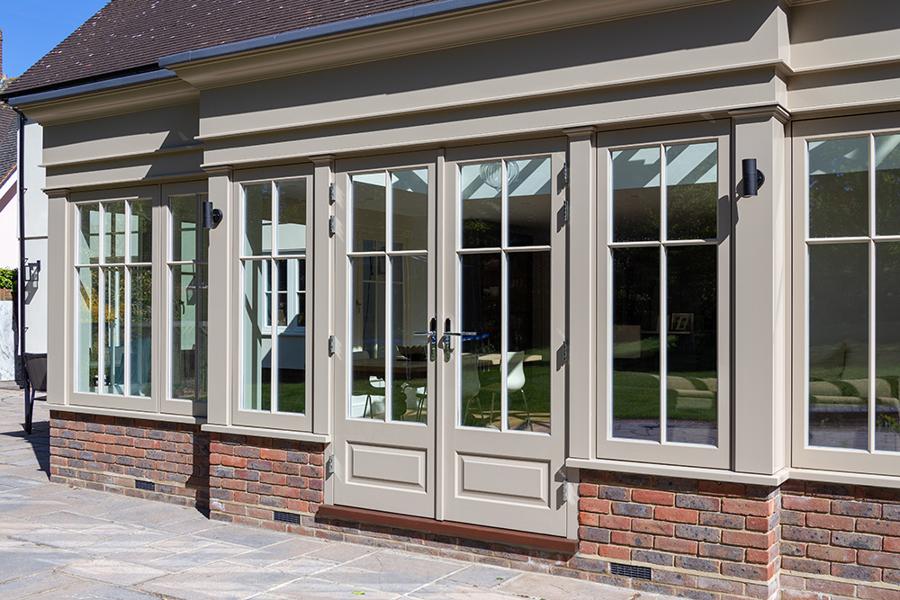
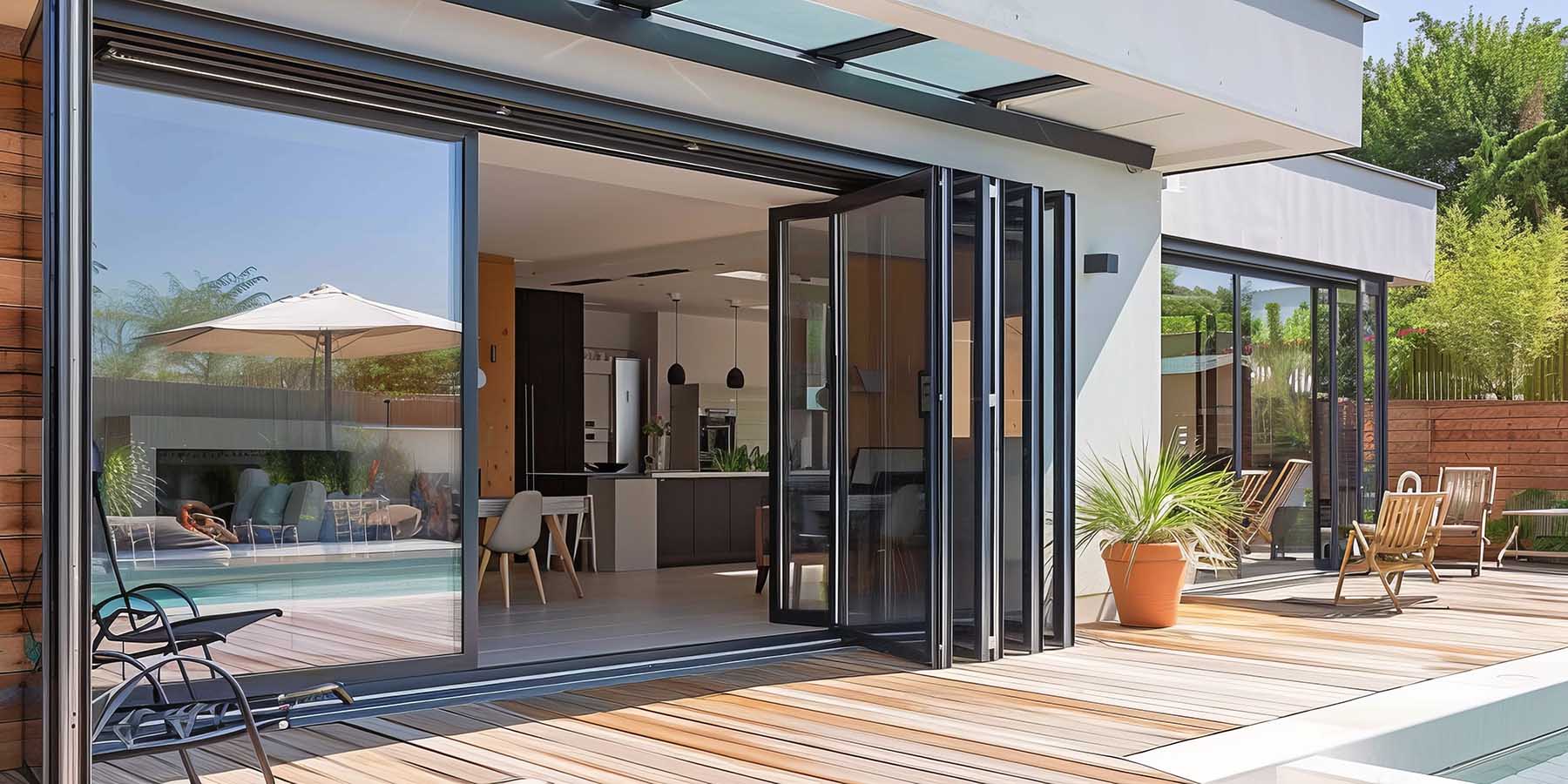
Bi-fold doors — Configurations of up to eight panels in each direction, with openings up to 16 metres. Factory hung with full locking systems.
Single wood doors — Double glazed as standard with toughened Planitherm One coatings and argon fill. CE Marked and PAS 24:2012 compliant.
All products are performance tested to BS 6375 Parts 1, 2, and 3, and CE Marked to EN 14351-1. Our design, supply, and fit service provides a single point of contact from initial specification through to installation.
Frequently asked questions
Can timber doors meet current Building Regulations?
Yes. Our doors are double glazed with Low-E coatings and argon fill as standard, achieving U-values that comply with Part L. Triple glazing is also available.
Are timber doors suitable for contemporary design projects?
Absolutely. Timber’s versatility allows for flush profiles, minimal sightlines, and modern hardware. We also offer aluminium-clad timber and aluminium composite options for a modern look.
How are your doors tested for security?
Our single doors meet PAS 24:2012 security standards. All doors feature internal glazing and robust locking systems as standard.
Do you supply small spaces or non-standard openings?
Every door is made to order. We manufacture to your exact dimensions and specifications.
Get in touch for bespoke door designs
If you are specifying timber doors for a high-end residential project, we would be glad to discuss your requirements.
Contact Lomax + Wood for a free quotation. You can fill in our online contact form or call us on 01277 353857.