Timber Window Lifespan: How Long Do They Last?
- 3 March 2026|
- News
When specifying windows for a project, understanding the long-term performance and durability of your material choice is critical. Timber windows have been used for centuries, but how long do modern timber windows actually last? And what factors influence their lifespan?
This guide examines timber window lifespan in detail, comparing lifecycle value against synthetic alternatives and explaining how proper care, material selection, and design choices can deliver decades of reliable performance.
How long do timber windows last?
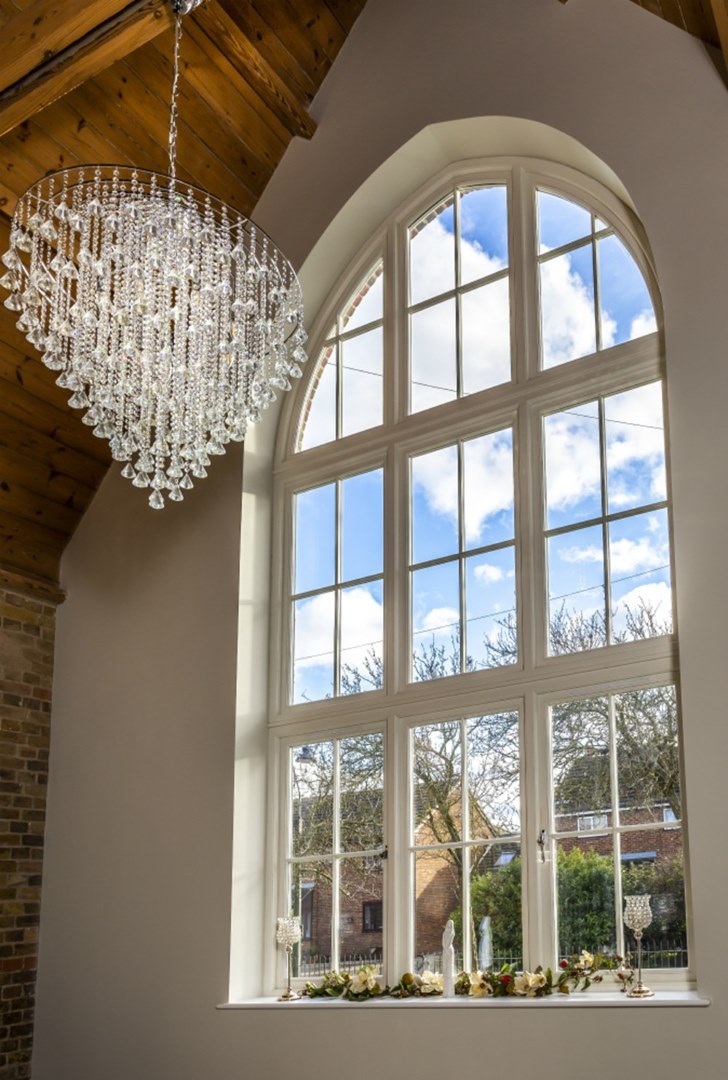
The lifespan of wooden windows typically ranges from 30 to 60 years, though many well-maintained timber frames exceed this considerably. In contrast, modern UPVC windows generally last between 20 and 35 years, while aluminium windows typically offer 40 to 50 years of service.
What sets timber apart is its robust nature of wood and ability to be repaired and renewed rather than replaced entirely. Unlike synthetic alternatives, timber products can be restored, recoated, and maintained indefinitely when necessary, making them a sustainable long-term investment.
Key factors that affect timber window lifespan
Several factors determine how long your wooden windows will perform effectively:
Type of timber
The type of wood you specify directly impacts life expectancy. Hardwood windows, such as those made from Oak or Sapele, naturally resist decay and weathering better than some softwood options. Accoya, a modified softwood, offers exceptional dimensional stability and moisture resistance.
Engineered timber, which uses laminated sections, provides superior performance compared to solid timber by reducing movement and improving structural integrity. At Lomax + Wood, we offer Engineered Redwood, Hardwood, Oak, and Accoya to suit different project requirements and budgets.
Coating system and paint finish
A high-quality paint system or stain finish is your timber’s first line of defence against weather conditions, UV damage, and moisture ingress. Modern paint systems use microporous coatings that allow timber to breathe while repelling water.
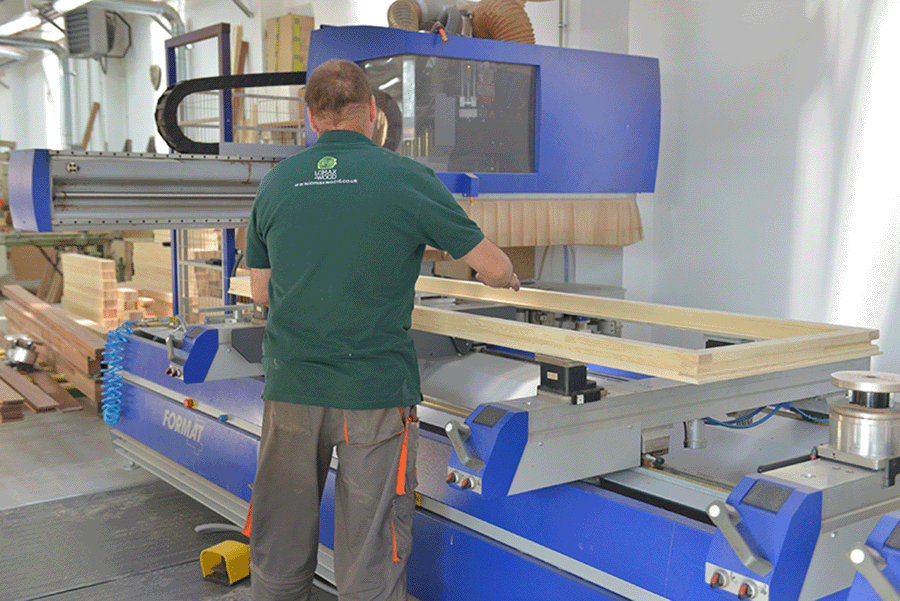
Factory-applied finishes typically outperform site-applied alternatives because they’re applied in controlled environments with proper surface preparation. At Lomax + Wood, all windows are factory finished with a three-coat spray-applied microporous paint system as standard, with a wide range of RAL colours and dual-finish options available.
Design of the window
The design flexibility of timber allows for features that naturally extend lifespan:
- Adequate drip details and weathering angles prevent water ingress
- Internal glazing protects seals and reduces maintenance requirements
- Properly designed joints and assembly of joints reduce stress points
- Overhang and reveals that shelter the frame from intense sunlight and driving rain
Lomax + Wood’s timber casement windows and wooden sash windows incorporate these protective design elements as standard, ensuring long-term durability.
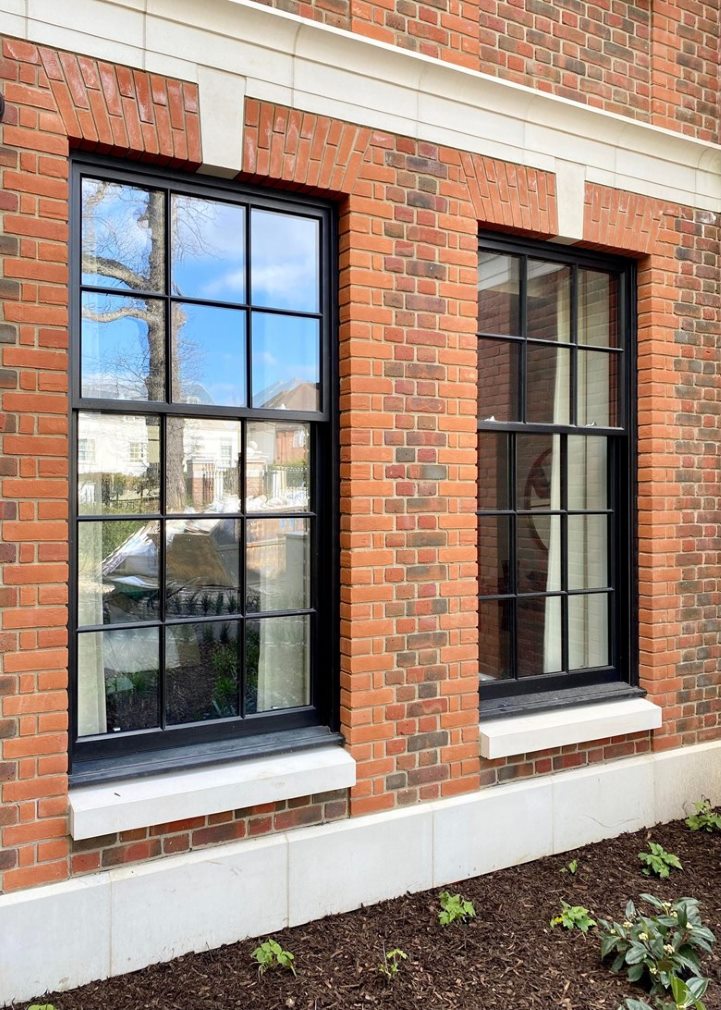
Proper installation and correct installation
Even the best-quality window will underperform without correct installation. Proper installation ensures:
- Adequate fixings to maintain structural integrity
- Correct sealing against the building fabric to prevent moisture content issues
- Appropriate reveal detailing for weather protection
- Accurate alignment to prevent operational issues
Poor installation can lead to premature failure regardless of timber quality or coating system quality.
Regular maintenance and proper care
Regular maintenance is the single most effective way to extend timber window lifespan. Recommended maintenance practices include:
Every 6-12 months:
- Regular cleaning with mild soapy water to remove dirt and pollutants
- Inspection of paint finish for signs of wear or damage
- Check and lubricate hinges, locks, and moving parts
Every 3-5 years:
- Regular inspections for signs of damage such as minor paint deterioration
- Recoating or touch-up of exposed areas to maintain protection
- Professional assessment of weather seals and draught-proofing
As needed:
- Address any moisture ingress immediately to prevent decay
- Treat any exposed end grain with appropriate preservatives
- Repair minor damage before it becomes significant
Regular cleaning and attention prevent minor issues developing into costly repairs. The British Woodworking Federation provides detailed guidance on maintenance schedules for timber products.
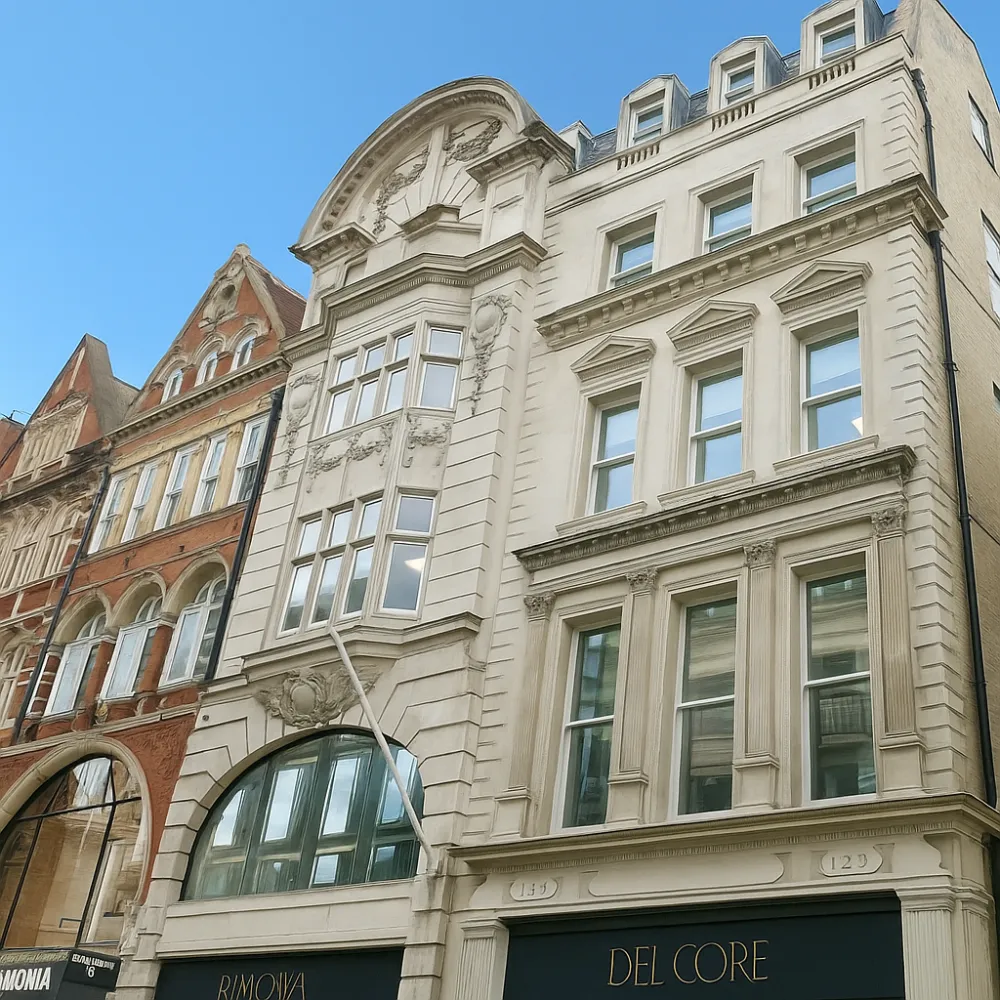
Timber windows vs uPVC windows vs aluminium windows
When comparing material choice over a building’s lifecycle, timber offers distinct advantages:
Lifespan and repairability:
- Wooden windows: 30-60+ years, fully repairable and renewable
- Modern UPVC windows: 20-35 years, cannot be meaningfully repaired
- Aluminium windows: 40-50 years, limited repair options
Thermal efficiency and energy efficiency:
Modern timber windows with double glazing achieve U-values as low as 1.1 W/m²K, comparable to or better than UPVC alternatives. Timber’s natural insulation properties reduce heat loss around the frame itself, whereas aluminium requires thermal breaks to achieve similar performance.
Aesthetic appeal and natural beauty:
Timber’s warmth and visual character cannot be replicated by synthetic alternatives. For period properties, conservation areas, or projects requiring authentic detailing, wooden sash windows or timber casement windows remain the popular choice.
Modern timber windows: built for longevity
Modern timber windows bear little resemblance to historic single-glazed units prone to decay. Advances in modern preservative treatments, engineered timber, factory finishes, and design standards have transformed performance:
- Engineered sections eliminate many traditional causes of shorter lifespan such as twisting and splitting
- Factory-controlled moisture content (typically 12-16%) matches the average relative humidity of the environment
- Internally glazed designs protect vulnerable components from weather exposure
- PAS 24 security testing ensures modern performance standards
- Weather testing to BS6375 confirms resistance to wind and water penetration
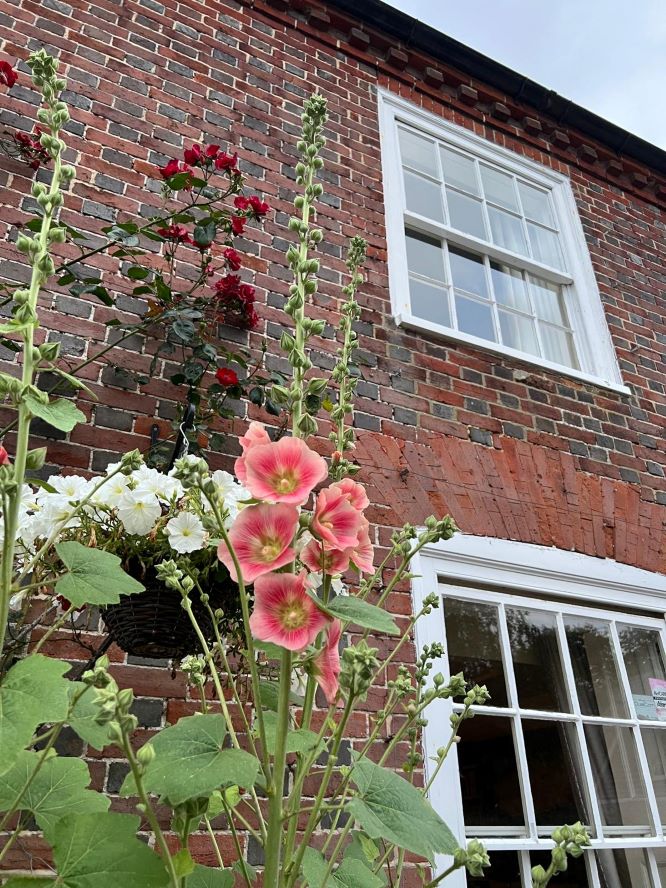
Lomax + Wood’s range includes:
Wooden casement windows: Flush designs with U-values from 1.0 W/m²K, achieving Water Class 9A and Wind Class CE2400 ratings.
Timber box sash windows: Traditional vertically sliding designs with modern weather-stripping and security features, tested to PAS 24 (2016) and Part Q compliance.
Spring balance sash windows: Cost-effective sash window alternatives ideal for new builds, combining traditional aesthetics with factory double glazing and enhanced thermal efficiency.
Traditional single glazed sash windows: For listed buildings and conservation areas where regulations prevent modern glazing, with options for vacuum-sealed units to improve thermal performance while maintaining authentic appearance.
We are proud to hold both FSC® and PEFC Chain of Custody certifications, ensuring that all timber we use is sourced from responsibly managed forests. Unlike other timber manufacturers, we hold full Chain of Custody certifications – this gives the timber we use in our windows and doors full traceability from forest to finished product.
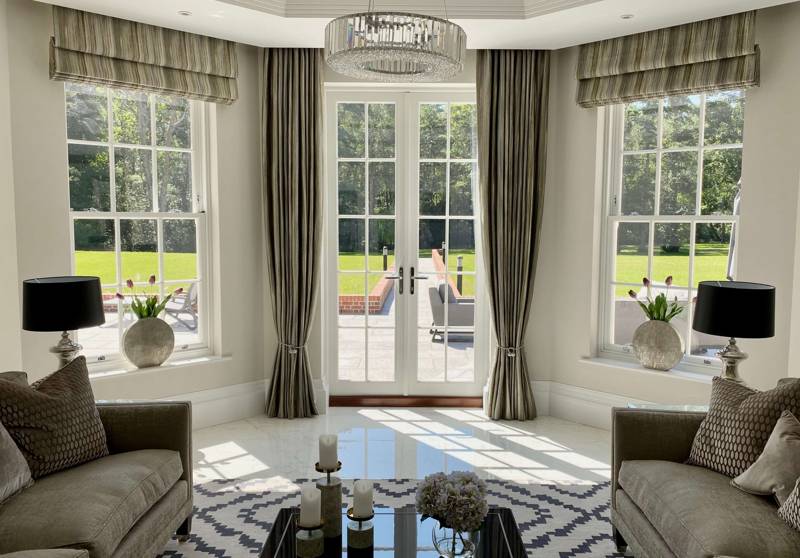
Signs your timber windows need attention
Regular inspections help identify issues early. Watch for:
- Paint deterioration or cracking in the paint finish
- Soft or spongy timber indicating moisture damage
- Difficulty operating sashes or casements
- Visible gaps causing draughts and reduced energy efficiency
- Water staining or evidence of moisture ingress
- Decay around joints or exposed end grain
Early intervention prevents minor problems escalating and significantly extends overall timber window lifespan.
Expert advice: maximising your investment
To ensure your timber windows stand the test of time:
- Specify quality from the start: Choose manufacturers using engineered timber, factory finishes, and proven paint systems
- Prioritise design details: Adequate weathering and protective reveals are essential
- Insist on professional installation: Poor installation voids warranties and compromises performance
- Establish a maintenance schedule: Regular cleaning and inspections prevent problems developing
- Address issues promptly: Quick repairs are cost-effective; neglect is expensive
Lomax + Wood works with architects, developers, and housebuilders across the UK to specify timber windows that deliver long-term value. Our technical team can provide expert advice on timber selection, finishes, and specifications to suit your project requirements and environmental conditions.
The lifecycle value of timber
When evaluating replacement windows, initial cost is only part of the equation. Consider:
Operational lifespan: Well-maintained timber windows last 60+ years
Repairability: Unlike UPVC, timber can be locally repaired rather than entirely replaced
Energy performance: Reduced heat loss lowers running costs throughout the window’s life
Property value: Timber windows’ aesthetic appeal contributes to resale value, particularly in period or high-end properties
Environmental impact: Timber’s carbon storage and renewability offer advantages over energy-intensive alternatives
For projects where design flexibility, performance, and sustainability matter, timber remains the material choice that delivers peace of mind and long-term value.
The lifespan of wooden windows depends on material quality, design, installation, and maintenance. When these factors align, timber windows provide decades of reliable service, combining thermal efficiency, aesthetic appeal, and environmental responsibility that synthetic alternatives cannot match.
Whether you’re specifying wooden sash windows for a heritage project, casement windows for a contemporary development, or replacement windows for a restoration, understanding these factors ensures you make an informed decision that delivers lasting value.
Contact Lomax + Wood for expert guidance
Lomax + Wood specialises in high-performance timber windows designed to last. Based in Essex and supplying across the UK, we offer architects, developers, and housebuilders a complete design, supply, and fit service for projects of all scales.
To discuss your project requirements or arrange a free quotation, contact our team via our online contact form or call 01277 353857. We’ll provide tailored recommendations to ensure your timber windows deliver optimal performance and longevity.