Timber Windows For Conservation Areas: What You Need To Know
- 22 December 2025|
- News
Working on a project in a conservation area comes with unique challenges—particularly when it comes to selecting windows. The rules are stricter, the scrutiny is greater, and getting it wrong can mean costly delays or outright refusal of planning consent.
Whether you’re an architect specifying materials for a period property, a developer navigating planning regulations, or a homeowner looking to replace existing windows, understanding what’s permitted and what’s practical is essential.
This guide explains how conservation areas affect your choice of windows, what you need to consider, and why timber windows remain the gold standard for conservation projects.
How conservation areas impact your options
Conservation areas are designated zones where the character and appearance of the built environment are protected by law. These areas are typically marked by historical significance, architectural features, or streetscapes that authorities want to preserve for future generations.
If your project is located in a conservation area, you’ll need to work closely with your local planning authority before making any changes to windows—even if the property itself isn’t listed. In many cases, replacing windows will require planning permission, particularly if the work affects the external appearance of the building.
Conservation officers will assess whether your proposed replacement windows are in keeping with the area’s character. They’ll look at:
- Window style and design
- Materials used
- Proportions and sight lines
- Glazing type and pattern
- Colour and finish
The goal is to maintain historical accuracy while allowing for modern performance standards where appropriate. This means UPVC windows are often rejected outright, and even modern aluminium frames may be deemed unsuitable depending on the property and its setting.
Article 4 directives explained
In some conservation areas, the rules are even tighter. An Article 4 Directive removes certain permitted development rights, meaning work that would normally be allowed without planning consent now requires a full planning application.
Article 4 Directives are used to protect areas of special interest where even small changes—like replacing a window—could harm the historic character of the streetscape. If your project is in an area covered by an Article 4 Directive, you’ll need building consent for work that might otherwise be straightforward.
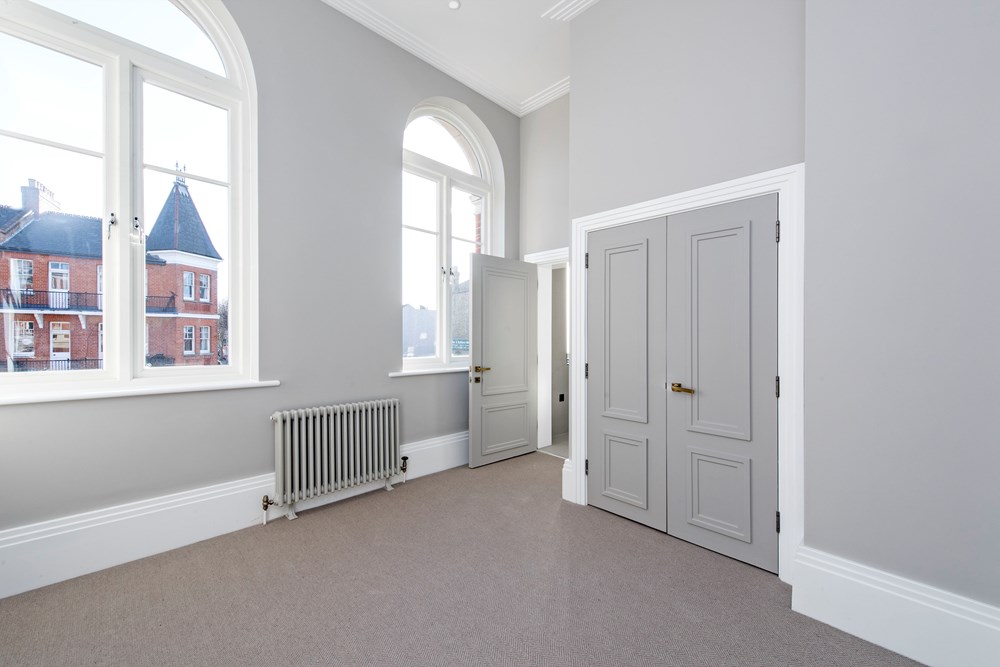
The benefits of timber for conservation area projects
Timber has been the material of choice for windows in historic buildings for centuries. It’s beautiful, durable, and fully compliant with conservation requirements.
Unlike UPVC or aluminium, timber allows for traditional joinery techniques and faithful recreation of original design. It can be worked to achieve fine profiles, slim sight lines, and accurate detailing—features that are critical when working on period property or listed buildings.
Timber also performs well thermally. Modern timber windows can meet current building regulations for energy efficiency without compromising on traditional aesthetics. Options like double glazing and slim double glazing can be incorporated discreetly, maintaining the traditional appearance while reducing heat loss.
Timber is also sustainable material. At Lomax + Wood, environmental responsibility is central to our manufacturing philosophy. We source all timber used in our bespoke windows and doors with full Chain of Custody certification (FSC® or PEFC), ensuring complete traceability throughout the entire supply chain, from the forest to the finished product.
Achieving historical accuracy with modern timber window manufacturing
One of the biggest challenges in conservation work is achieving historical accuracy while meeting modern performance standards. Timber windows make this possible.
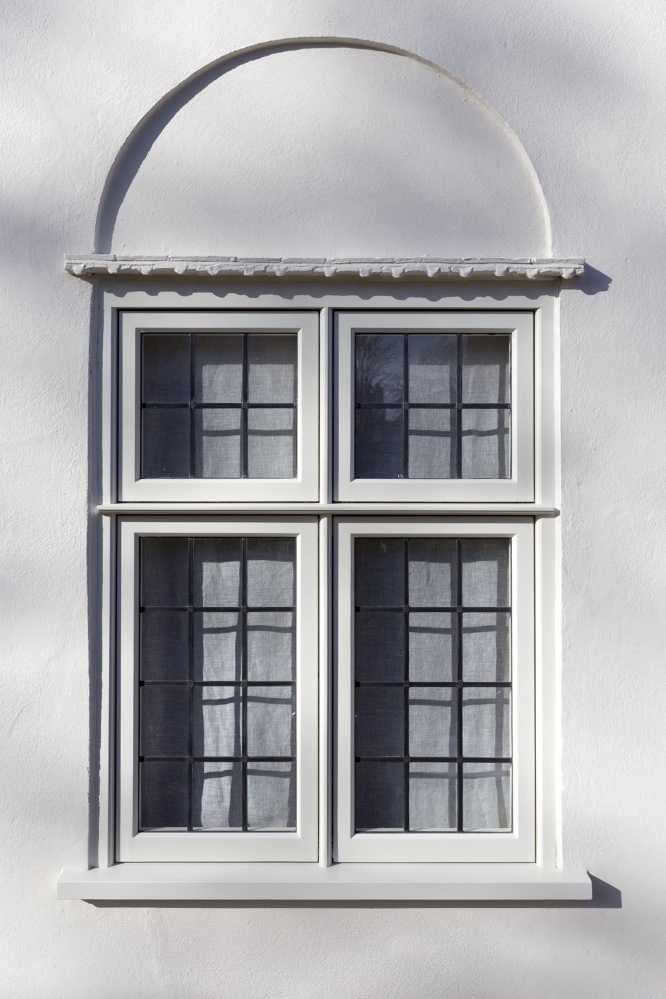
Traditional timber windows can be manufactured to replicate original glass patterns, glazing bars, and profiles. Whether the building requires vertical sliding sash windows, flush casement windows, or single glazing to meet English Heritage guidelines, timber can be worked to precise specifications.
Key considerations include:
- Glazing bars and astragal bars to replicate Georgian and Victorian designs
- Proportions to the original windows in terms of height, width, and sight lines
- Ironmongery and period-appropriate handles, locks, and fasteners
- Paint colours or stained finishes that reflect the building’s era
For listed building projects or properties in conservation areas, expert advice is essential. Working with a specialist like Lomax + Wood ensures that your windows meet both conservation requirements and building regulations.
Our range of timber windows for conservation properties
At Lomax + Wood, we specialise in made-to-order timber windows designed for conservation properties, listed buildings, and projects where architectural features must be preserved.
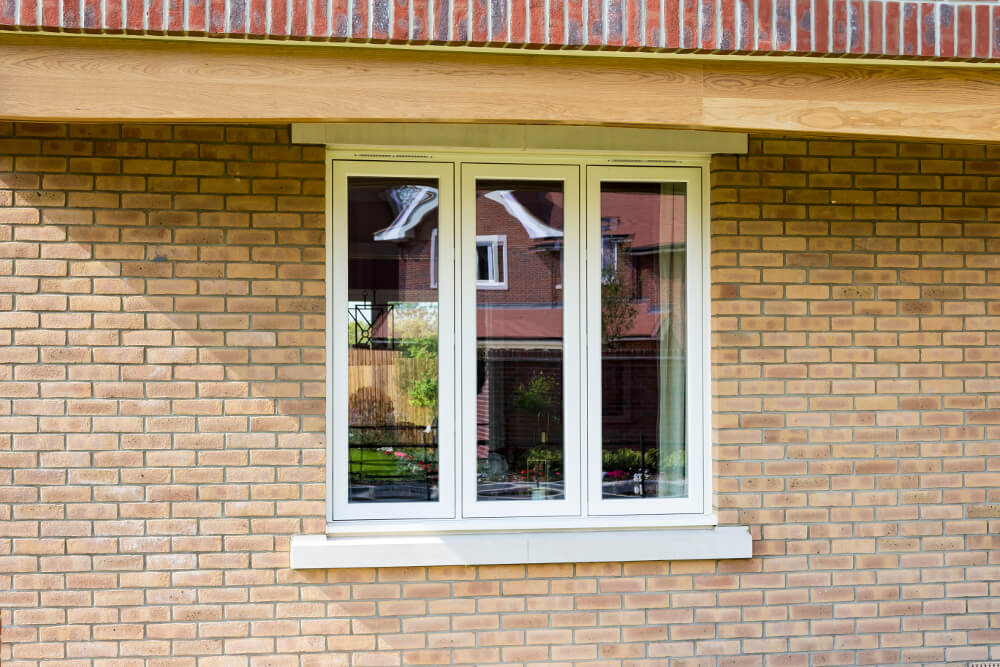
Our timber flush casement windows are a popular choice for both heritage and contemporary settings. Internally glazed and fully weather-stripped, they offer excellent thermal performance and security while maintaining a traditional design.
- U-value 1.2 W/m²K as standard (as low as 1.0 with triple glazing)
- PAS 24 (2016) and Part Q compliant
- Tested to BS6375 for air, wind, and water performance
- Available in Engineered Redwood, Hardwood, Oak, or Accoya
These windows are ideal for projects where a refined, understated appearance is required without sacrificing modern performance.
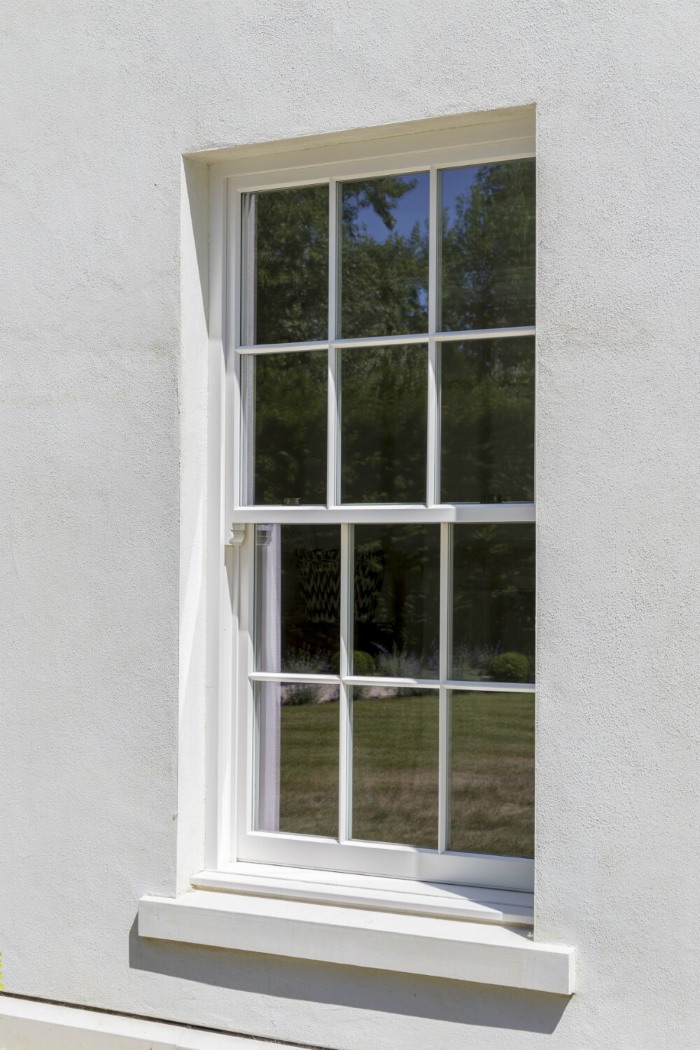
Box sash windows are synonymous with Georgian and Victorian architecture. Our timber box sash windows combine traditional aesthetics with modern thermal efficiency, making them suitable for period property and new builds alike.
- U-value 1.3W/m2k as standard (as low as 1.1 W/m²K with triple glazing)
- Noise reduction up to 42dB (Acoustic +)
- Internally glazed for security and ease of maintenance
- Made-to-order to match original windows
These windows are crafted to meet the stringent requirements of conservation officers and are fully compliant with listed building consent procedures.
Spring sash windows offer a more economical solution for new builds or refurbishments where a flush reveal has been specified. They replicate the look of traditional sash windows but use a spring-balanced mechanism instead of weights and pulleys.
- Factory double glazed as standard
- U-value 1.3W/m2k as standard (as low as 1.1 W/m²K with triple glazing)
- PAS 24 (2016) security tested
- Available in a range of timber options and finishes
This type of window is often used by developers working on conservation projects where building costs need to be competitive but the traditional appearance must be maintained.
For listed buildings or properties in conservation areas where double glazing is not permitted, we offer traditional single glazed sash windows. These are putty glazed and made-to-order to replicate original designs.
While single glazing does not meet current building regulations for thermal efficiency, it may be the only option where planning regulations or conservation standards require it. We can also supply vacuum sealed units as an alternative, offering improved thermal performance with the appearance of single glazing.
- Externally putty glazed
- Made-to-order to match specific details
- Suitable for English Heritage and conservation officer requirements
These windows are designed for authenticity and compliance, ensuring your project respects the historic character of the building.
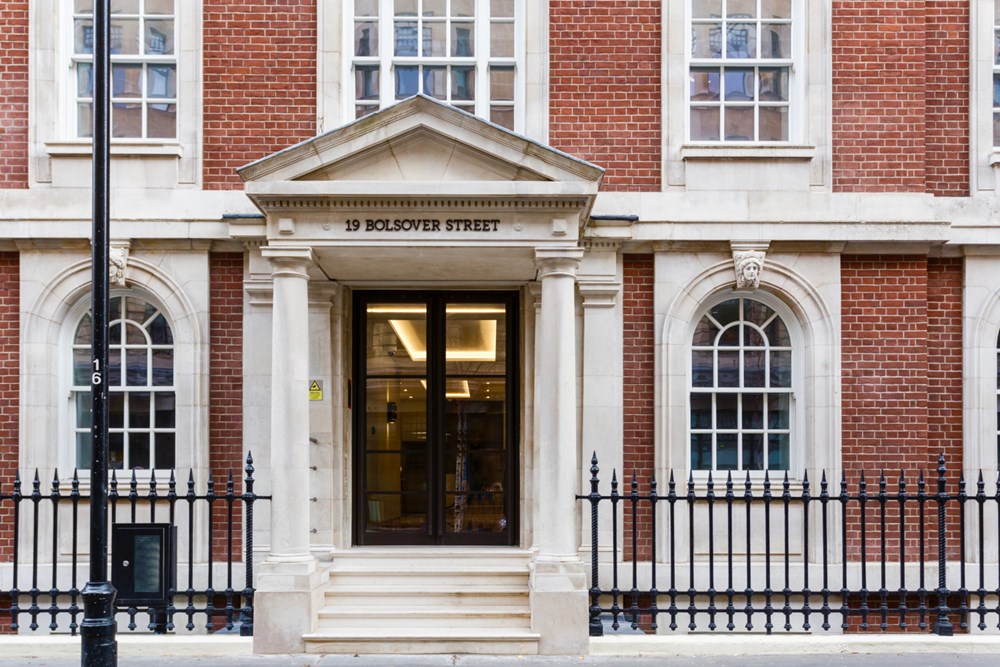
Vacuum glazing
Vacuum glazing provides a technically effective means of improving the thermal performance of new timber windows within historic buildings while retaining traditional putty-glazed detailing and slim sightlines. The vacuum cavity significantly reduces conductive and convective heat transfer, resulting in substantially lower U-values than conventional single glazing, while the relatively thin overall unit can be accommodated within traditional glazing rebates and narrow glazing bars. This allows improved energy efficiency and internal surface temperatures without the visual impact associated with thicker modern insulating glass units.
Vacuum glazing can also provide improved acoustic attenuation, reduced risk of internal surface condensation and enhanced occupant comfort, while allowing the external appearance, proportions and traditional putty finish of the new windows to remain sympathetic to the historic character of the building.
Working with specialists who understand conservation requirements
At Lomax + Wood, we understand the complexities of working in conservation areas. Our experience includes case studies across the UK, from Georgian townhouses to Victorian terraces, where achieving the right balance between historical accuracy and modern performance has been critical.
Whether you’re working on a listed building, a property in a conservation area, or a new build that requires traditional joinery techniques, we offer expert advice and a complete design, supply, and fit service.
Get in touch for expert advice and a free quote
Planning a project in a conservation area? We’re here to help. Our team has the knowledge and experience to guide you through planning regulations, conservation requirements, and product specifications.
For a free quote or to discuss your project in more detail, contact us today using our contact form or call us on 01277 353857.